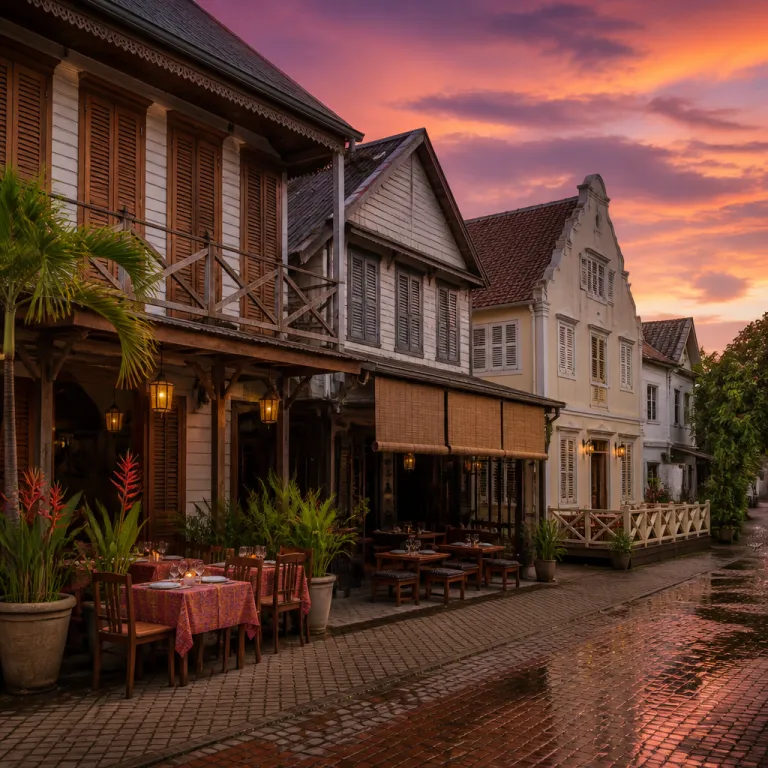
The compact map of paramaribo restaurant fine dining
Paramaribo concentrates its most polished dining rooms within a few compact streets near the historic riverfront. In this small city, a single block can hold a Creole restaurant, a Javanese warung elevated to fine dining, and a Dutch inspired brasserie, all quietly competing for the same executive guests. For business travelers using a luxury hotel booking website, that density means you can plan every lunch, dinner, and late night bar visit within walking distance of your suite.
The heart of paramaribo restaurant fine dining runs from the UNESCO listed wooden center towards the river, where international hotels and independent addresses sit side by side. Around this core, the city offers a tight cluster of restaurant options that stay open late enough for post meeting cocktails yet relaxed enough for solo travelers. When a restaurant is open on Sunday or Monday, it becomes a strategic asset for executives extending a work trip into leisure.
Within this geography, the Courtyard by Marriott stands out because the property offers four distinct outlets under one roof, from breakfast to fine dining. Flavors Restaurant serves international cuisine in a bright space, while Meat Us Restaurant leans into grilled dishes with river views and a more relaxed dining tempo. Sakura – Nikkei Cuisine adds Japanese Peruvian fusion to the menu, giving guests a paramaribo restaurant fine dining experience without leaving the hotel grounds.
Where executives actually book tables for business dining
For client dinners, executives in Paramaribo tend to favor addresses that balance polished service with a clear sense of place. Uptown Fine Dining Restaurant is a reliable choice when you need white tablecloth formality, a composed wine list, and a menu that moves confidently between local flavors and international classics. The restaurant offers quiet corners for negotiations, while the bar area works for a more relaxed debrief with colleagues.
When you want the conversation to lean into Surinamese heritage, Eetcafe de Gadri brings traditional Creole cuisine into a setting that still feels appropriate for a business lunch. Pom, a Creole casserole, is highly popular. That single dish often becomes the talking point that bridges small talk and serious discussion, especially when paired with fresh juices or light cocktails rather than heavier spirits.
Executives who know the city often schedule a more informal meal at a Hindustani or Chinese Surinamese address, using a roti or noodle stop as a second tier meeting space after the main restaurant dining. Our guide to where business travelers actually eat lunch in Paramaribo helps you choose a venue that still feels curated, not improvised. In every case, booking through a hotel concierge or a trusted platform ensures the restaurant is open, the table is held, and any dietary notes reach the kitchen before you arrive.
Independent restaurants versus hotel dining rooms
Paramaribo’s independent restaurants are where you feel the city’s multicultural pulse most clearly at the table. Garden of Eden, for example, focuses on Thai cuisine yet still reflects local markets through its use of fresh herbs and produce, while Restaurant Jawa anchors the Javanese strand of the city’s culinary identity. Spice Quest takes a different route, using fusion techniques and local ingredients to create a tasting style experience that appeals to guests who track chef driven dining trends.
Hotel dining, by contrast, is about controlled reliability, which matters when you land late or need to host clients without logistical surprises. At the Courtyard by Marriott, Flavors Restaurant and Meat Us Restaurant provide international and local options, while Sakura – Nikkei Cuisine adds a more experimental edge to the property’s overall menu. For travelers comparing a paramaribo restaurant fine dining option inside a hotel versus an independent address, the decision often comes down to whether you prioritize convenience or a deeper immersion in the city’s neighborhoods.
There is also a growing cohort of high end caterers such as Savorelle, where haute cuisine meets open fire in private settings rather than a traditional restaurant dining room. This model suits executives hosting small receptions or board dinners, using a villa or riverfront terrace instead of a public bar. For family style evenings beyond the corporate frame, our map of Chinese Surinamese bakmi and the Paramaribo noodle circuit shows how the city eats together once the sun goes down.
What is on the table: flavors, drinks, and new chef voices
Surinamese cuisine is inherently plural, and paramaribo restaurant fine dining reflects that layered identity on every plate. A single tasting menu might move from Creole inspired starters to Javanese influenced mains, then close with a Dutch leaning dessert, all built around fresh river fish, local vegetables, and imported wines. Younger chefs are increasingly using farm to table sourcing, working directly with local farmers to bring seasonal produce into both lunch menus and extended dinner services.
Wine lists in the city tend to focus on approachable international labels from Europe and South America, with pricing that keeps a good bottle within reach of most corporate expense policies. Cocktails lean tropical, but serious bars now balance rum forward signatures with cleaner, lighter drinks that pair better with fine dining, especially in tasting format. At many properties, the bar and restaurant offers shared oversight, so the same team can align cocktails, wines, and non alcoholic pairings with the kitchen’s menu.
The chef generation shift is visible at places like Spice Quest, where fusion is not a marketing term but a method for rethinking inherited recipes. These chefs grew up moving between Creole, Javanese, Hindustani, and Dutch kitchens, and their experience shows in the way they edit traditional dishes rather than replacing them. Many are also more comfortable cooking vegan or gluten free versions of classics, ensuring that guests with restrictions can still participate fully in the dining experience.
Etiquette, logistics, and how hotels shape the experience
For travelers using a luxury hotel booking website, the practical side of paramaribo restaurant fine dining matters as much as the menus. Tipping in Suriname is discretionary rather than rigid, with many guests adding around ten percent in restaurants when service feels attentive and warm. Staff in higher end dining rooms are accustomed to international visitors, so asking about ingredients, spice levels, or vegan options is entirely acceptable.
Reservations are recommended, especially at the twenty or so fine dining restaurants that anchor the city’s upper tier. Are there vegetarian options available? Yes, many restaurants offer vegetarian dishes. That flexibility extends to business timing ; most restaurant dining rooms will hold a table if your meeting runs late, particularly when the booking comes via a hotel concierge who knows the team personally.
As you move beyond the capital into river lodges and Maroon led stays, the relationship between hotel and table becomes even tighter. Our report on Maroon led hospitality in Saramaka villages shows how meals, river journeys, and storytelling merge into a single experience. Back in the city, that same spirit appears when a restaurant is open to adapting a set menu, building uit een series of smaller plates van een larger repertoire so that guests can taste more of Paramaribo in a single evening.
How keywords live naturally in Paramaribo’s dining reality
In Paramaribo, the word restaurant rarely stands alone ; it is always tied to a specific neighborhood, a family story, or a river breeze drifting through an open veranda. The city’s chefs work with fresh herbs, river fish, and market vegetables, layering flavors from Creole, Javanese, Hindustani, Chinese, and Dutch traditions into both casual lunch plates and extended fine dining experiences. When a restaurant offers a tasting menu, it often reads like a map of the city’s communities rather than a generic international line up.
Many of the strongest addresses sit in the heart of Paramaribo, where a short walk can take guests from a quiet bar pouring classic cocktails to a lively terrace serving shared platters. A typical evening might start with drinks at a hotel bar, move to a restaurant open late for a multi course menu, then end with a final glass on a riverfront deck. In this compact city, the paramaribo restaurant fine dining circuit feels less like a checklist and more like uit een continuous thread van een multicultural story told through cuisine.
For travelers planning through a premium booking platform, these details matter because they turn a simple meal into a curated experience. You are not just choosing where to eat ; you are deciding which flavors, which chefs, and which dining rooms will frame your time in Suriname. When a restaurant offers both international staples and deeply local dishes on the same menu, it gives guests the freedom to calibrate each night’s adventure without ever leaving the comfort zone of excellent service.
FAQ
How many fine dining restaurants operate in Paramaribo’s upper tier?
Local tourism data indicates that Paramaribo hosts around twenty fine dining restaurants, a compact but diverse group for a city of its size. These range from hotel based dining rooms to independent addresses focused on Creole, Javanese, or fusion cuisine. For luxury travelers, that number is enough to support a week of varied dinners without repetition.
What is the most emblematic dish to order in a Creole restaurant?
Pom is widely regarded as the emblematic Creole dish in Paramaribo’s higher end dining rooms. It is a baked casserole built around chicken, citrus, and root vegetables, often served as a centerpiece during celebrations. Ordering pom in a fine dining context lets you taste a traditional recipe interpreted with contemporary technique.
Is it necessary to reserve tables in advance for business dinners?
Reservations are strongly recommended for business dinners, especially from Thursday to Saturday and during regional holidays. Many restaurants hold only a limited number of tables suitable for confidential conversations or larger groups. Using your hotel concierge or a trusted booking website helps secure the right table and communicate any timing constraints.
Are vegetarian or vegan options realistic in Paramaribo’s fine dining scene?
While Surinamese cuisine has strong meat and fish traditions, vegetarian options are now common in higher end restaurants. Younger chefs in particular are comfortable adapting classics or designing full plant based menus on request. It is wise to mention dietary needs when booking so the kitchen can prepare suitable alternatives.
What should I expect to pay for a fine dining meal in Paramaribo?
Surveys of local restaurants suggest that an average fine dining meal in Paramaribo costs around 35 USD per person before drinks. Tasting menus, premium steaks, or imported wines will raise that figure, while lunch sets can bring it down. For corporate travelers, this pricing usually aligns well with standard regional expense policies.
Sources
Suriname Tourism Board ; Courtyard by Marriott Paramaribo dining information ; Local restaurant surveys and listings.