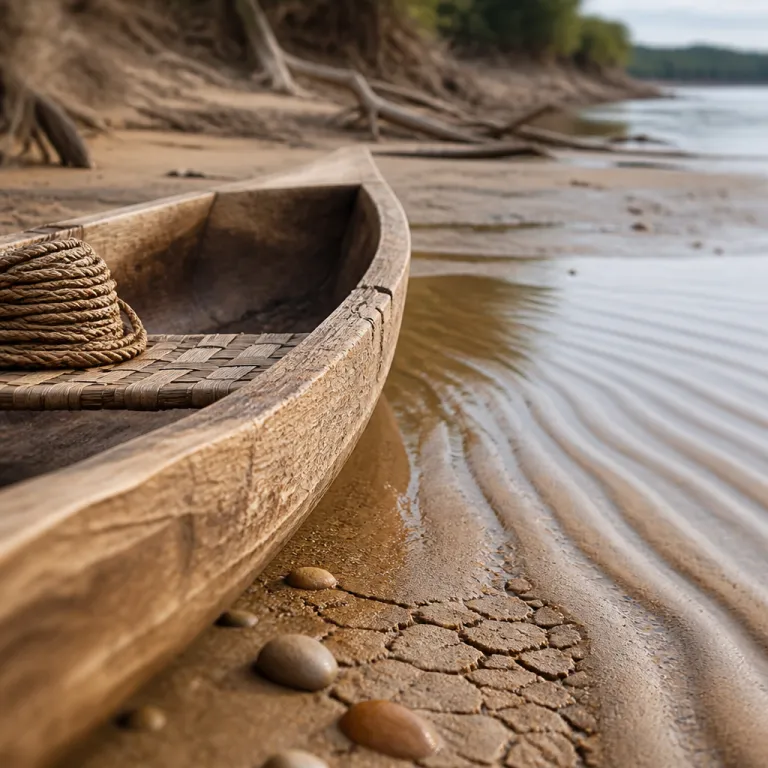
Why the Awarradam pirogue transfer defines a Suriname family journey
The Awarradam pirogue transfer for families in Suriname begins long before the jungle lodge jetty appears. Leaving Paramaribo after an early morning start, your driver follows the laterite road south as the city thins into villages, then into the green wall of Suriname nature that signals the interior. By the time you reach Atjoni, children feel the shift from urban rhythm to river time.
Atjoni is not just a boat landing; it is the hinge between central Suriname’s road network and the water highway that serves every lodge upstream. Here, local boat operators and your Maroon guide coordinate the wooden dugout canoe, fuel drums and luggage while families watch the Suriname River carry pirogues toward the jungle. This is where the Atjoni–Awarradam river leg quietly becomes the emotional core of the trip, not a simple transfer between hotels.
For premium travelers used to a city hotel courtyard, the scene feels raw yet carefully choreographed. Life vests are laid out for every adult and child, and crew members repeat the same calm briefing that reassures parents who usually book international hotels with polished lobbies. When families compare this to a scenic bus ride later in their stay, they realise the river, the Maroon community and the dugout canoe itself have already become the story they will retell.
From a planning perspective, this is where a specialist Suriname trip designer earns its keep for discerning families. Choosing the right interior lodge along the Suriname River means understanding that the three hour river journey is part of the stay, not a logistical footnote. The real work lies in matching your family’s pace and comfort level with the right property, the right season and the right style of guide so that the Awarradam pirogue ride feels exhilarating rather than overwhelming.
Hour by hour on the Suriname River: how the transfer unfolds
The first hour of the Atjoni–Awarradam pirogue journey is all about settling into the boat. Children usually start wide eyed as the pirogue pulls away from Atjoni, passing the last clusters of houses before the river widens and the jungle closes in on both banks. Parents quickly learn why this is nothing like a bus transfer between city hotels, as the engine hum and river spray replace air conditioning and highway noise.
Within thirty minutes, the Suriname River begins to show its character through small rapids and granite dome outcrops that rise from the water. Your Maroon guide stands or crouches beside the captain, reading the current and pointing out submerged rocks that only experienced eyes can see during the dry season or the rainy season. This is where families understand that traditional navigation techniques, not GPS, keep the long canoe ride both safe and thrilling.
Midway through the three hour period, the pirogue often slows near a Maroon village for a brief village visit or fuel stop. Children notice laundry drying on river stones, wooden canoes pulled high on the bank and the easy rhythm of community life that feels far from Paramaribo’s central market or the Courtyard Marriott courtyard. Parents who chose a premium lodge for comfort realise that this short pause in a remote community is as valuable as any guided tour in the city.
As the hours pass, the jungle thickens and the river corridor narrows, creating a natural amphitheatre of sound. Families hear parrots, distant howler monkeys and the slap of water against the dugout canoe, while the guide quietly points out medicinal trees and explains how the Maroon community has used this river for generations. By the final stretch, when the lodge jetty finally appears, most children are damp, exhilarated and already asking when the next boat tour will happen during their stay.
For planners comparing options, this is the moment to think beyond a simple list of Suriname hotels. A well designed itinerary might pair a night in a Paramaribo hotel near Fort Zeelandia with this three hour river journey and then several nights at an interior lodge, as outlined in our Suriname resort guide to city, river and deep interior stays. The Awarradam pirogue segment then becomes the elegant bridge between city comfort and jungle immersion.
Children, senses and safety: how families actually feel on board
For children, the Atjoni–Awarradam river transfer is pure sensory theatre. River spray cools their faces, the jungle seems close enough to touch and every bend reveals another sandbank, rock or village that feels different from the last. Parents who usually book a city hotel with a pool watch their children swap screens for binoculars without any prompting.
Safety, though, is never left to chance on this stretch of the Suriname River. Operators who work this route daily provide life vests for every passenger, brief families on how to sit low in the dugout canoe during rapids and adjust speed according to water level, especially when the average water level drop in the dry season reaches several metres in some sections of the upper river, as noted by Suriname Water Resources reports and local lodge operators. As one local answer puts it clearly, "Is the pirogue trip safe? Yes, with experienced operators and safety measures."
Rain is part of Suriname nature, so families should expect at least one passing shower during the three hour period. In the rainy season, captains often pull into the lee of the bank or under overhanging trees, while guides hand out ponchos and help parents keep children warm and amused. During the dry season, the same families might welcome a brief cool down, laughing as the boat threads between exposed rocks that only appear when the river is low.
Children’s reactions tend to follow a pattern that luxury planners can anticipate. The first thirty minutes are usually about excitement and noise, the middle hour often brings a quiet lull as the rhythm of the engine and the jungle sounds merge, and the final stretch revives energy as the guide points out the first signs of the lodge. For many families, this arc of emotion becomes more memorable than any single day trip to a nature park or nature reserve near the coast.
Parents who worry about motion or attention spans can design the wider itinerary to balance this intensity. A calm night in Paramaribo, perhaps at a property like Courtyard Marriott with its predictable comforts, followed by the Awarradam pirogue journey and then a slower paced interior stay, creates a rhythm that works for most children. Those who crave even deeper immersion can later add a separate expedition to a granite dome in central Suriname, such as the Voltzberg trek described in our feature on the Voltzberg granite dome overnight and sunrise.
Photography, light and river rhythm: capturing the transfer without missing it
Photographers in the family quickly realise that the Awarradam pirogue transfer offers a constantly shifting canvas. Early morning departures from Atjoni bathe the Suriname River in soft light, with mist lifting from the jungle and silhouettes of dugout canoes gliding past. Later in the day, the sun hardens the contrast, demanding more careful angles and faster shutter speeds.
Stabilisation is the first challenge on a moving boat, especially when small rapids or wake from another pirogue add vibration. The simplest technique is to sit low, brace elbows against your life vest or knees and shoot in short bursts rather than holding the camera high above the boat. Parents should assign one adult as the primary photographer so that another can focus on children’s safety and comfort during the river transfer.
The best angles often come when the pirogue curves around a bend and the jungle opens into a wider section of river. Shooting slightly forward, rather than directly sideways, reduces spray on the lens and captures the captain, the guide and the line of the dugout canoe against the water. Families who want portraits should ask the guide to suggest a calm stretch, perhaps near a sandbank or a quiet village, where the boat tour can briefly slow without affecting the schedule.
Light changes dramatically between the dry season and the rainy season, and between open river and shaded banks. In the dry season, reflections from exposed rocks and granite dome outcrops can fool automatic metering, so consider underexposing slightly to keep detail in the sky and forest. During the rainy season, clouds soften the contrast, making it easier to capture the deep greens of Suriname nature and the subtle browns of the river without harsh glare.
Families who care about storytelling should think beyond single images. A sequence that starts at the Atjoni dock, includes the first Maroon community village visit, shows children tasting their first roti back in Paramaribo and ends with a quiet moment on the lodge jetty will tell the full arc of the journey. Later, when you share the album with friends who only know Suriname from city hotels or coastal nature park excursions, the Atjoni–Awarradam photo series will explain why this river corridor matters more than any polished lobby.
Practical planning: what to pack, where to sit and how to frame the wider trip
Thoughtful packing turns the Awarradam pirogue transfer from a test of endurance into a comfortable three hour ritual. Every bag should be lined with a waterproof layer, from simple dry bags to heavy duty plastic liners, because spray and sudden showers are part of life on the Suriname River. Light clothing that dries quickly, a hat with a secure strap and strong sun protection are non negotiable for both adults and children.
Seat choice matters more than most first time visitors expect on this kind of boat tour. Families with younger children often prefer the middle of the dugout canoe, where movement is gentler and spray is lighter, while teenagers might gravitate toward the front for a more dramatic view of the jungle and rapids. Guides usually position heavier luggage toward the back to balance the boat, so it is worth discussing your family’s preferences before departure to make the river ride as smooth as possible.
Snacks and water deserve the same attention you would give to a long day trip in a remote nature reserve. Many interior lodge packages include a simple packed lunch, but parents should still bring extra fruit, nuts or biscuits in resealable bags, along with enough drinking water for every family member. This small preparation keeps energy levels steady, especially during the quieter middle hour when the rhythm of the engine and the jungle can lull children into drowsiness.
Beyond the river itself, the most successful itineraries weave the transfer into a broader Suriname narrative. One elegant pattern pairs a first night in Paramaribo, with a walk past Fort Zeelandia and the central market, followed by the Atjoni–Awarradam pirogue journey and then several nights at an interior lodge, before ending with a coastal excursion to a nature park or the bird rich wetlands of Bigi Pan where scarlet ibis feed at dusk. For families who want a ready made framework, our family itinerary balancing jungle adventure and Paramaribo comfort offers a tested template.
Some travelers will also want to contrast the interior with the gentler waterways near Commewijne and Nieuw Amsterdam, where shorter boat tours explore plantation history and mangrove lined creeks. Others might add a separate excursion to Brownsberg Nature Reserve, where trails lead to waterfalls and viewpoints over central Suriname’s forest canopy. Whatever the combination, the Awarradam river transfer remains the emotional spine of the journey, the story that ties city, river and jungle into a single, retellable arc.
Beyond Awarradam: how the river transfer reframes Suriname’s hidden lodges
Once families have completed the Atjoni–Awarradam pirogue journey, their sense of distance and remoteness shifts. Around fifty kilometres on the Suriname River feels very different from the same distance on a paved road, because every bend carries the weight of Maroon history and present day community life. Lodge operators such as Awarradam Jungle Lodge and Spa routinely describe the run as a three hour upstream journey in normal water conditions, a timing that matches most family reports. Parents who arrived thinking mainly about lodge comfort now speak as confidently about the river itself as they do about their hotel room.
This change in perspective matters when choosing between Suriname hotels for a multi stop itinerary. A polished city hotel in Paramaribo, perhaps near the riverfront and Fort Zeelandia, offers easy access to roti shops, the central market and day trips to Commewijne or Nieuw Amsterdam, but it cannot replicate the sense of connection that comes from three hours in a dugout canoe with a Maroon guide. Interior lodges along the Suriname River, by contrast, trade instant urban convenience for immersion in Suriname nature and community.
Families who have already experienced coastal wetlands such as Bigi Pan, with its scarlet ibis and wide open horizons, often describe the interior as a more intimate encounter. The river corridor narrows, the jungle presses closer and the line between lodge and forest blurs in a way that no city hotel courtyard can match. For children, this contrast between open wetlands, structured city and dense jungle becomes a living geography lesson that no classroom map can equal.
From an insider’s perspective, the most rewarding itineraries respect this layering. Start with the city, where a comfortable hotel base allows for gentle cultural immersion through markets, museums and short boat tours, then move to the interior via the Atjoni–Awarradam pirogue transfer, and finally add a coastal or Brownsberg Nature Reserve extension for a different angle on Suriname nature. Each segment reinforces the others, turning what could have been a simple holiday into a coherent narrative about river, community and forest.
For premium families, this is where curated advice becomes particularly valuable. The best planners evaluate not only room quality and service levels, but also how each lodge uses the river, how guides interpret Maroon culture during a village visit and how safely operators handle both dry season and rainy season conditions on the Suriname River. The result is a set of recommendations where the Awarradam pirogue journey is treated not as dead time, but as the defining chapter in a Suriname story that families will retell for years.
FAQ
Is the pirogue trip from Atjoni to Awarradam suitable for children?
Yes, the pirogue journey is suitable for children when basic precautions are followed. Operators on the Suriname River provide life vests, seat families centrally in the boat and adjust speed according to conditions. Parents should supervise children closely, keep them seated during rapids and ensure they wear sun protection throughout the three hour transfer.
What should we bring for the Awarradam pirogue transfer as a family?
Families should pack light, quick drying clothing, hats, sunscreen and insect repellent in waterproof bags. Each person needs a life vest, usually supplied by the operator, plus enough drinking water and snacks for at least half a day on the river. A compact rain jacket or poncho is useful in both the dry season and the rainy season, because showers can appear without warning.
How long does the pirogue transfer from Atjoni to Awarradam take?
The journey typically takes around three hours, covering roughly fifty kilometres of the Suriname River. Actual duration depends on water level, season and the number of brief stops for fuel or village visits along the way. Families should treat it as a half day river experience rather than a simple transfer between hotels.
How safe is the pirogue journey during rain or in the rainy season?
Experienced Maroon captains navigate the river year round and are accustomed to changing weather. In heavy rain, they may slow down, adjust their line through rapids or pause briefly near the bank until visibility improves. Families remain safe by wearing life vests, keeping gear secured and following the guide’s instructions throughout the Atjoni–Awarradam river journey.
Can we combine the Awarradam transfer with other Suriname river or nature experiences?
Yes, many itineraries pair the Awarradam transfer with city stays in Paramaribo, coastal wetlands such as Bigi Pan or upland areas like Brownsberg Nature Reserve. Some families also add shorter boat tours in the Commewijne and Nieuw Amsterdam area to contrast plantation history with interior Maroon community life. Planning these segments together creates a richer understanding of Suriname nature, culture and river landscapes.