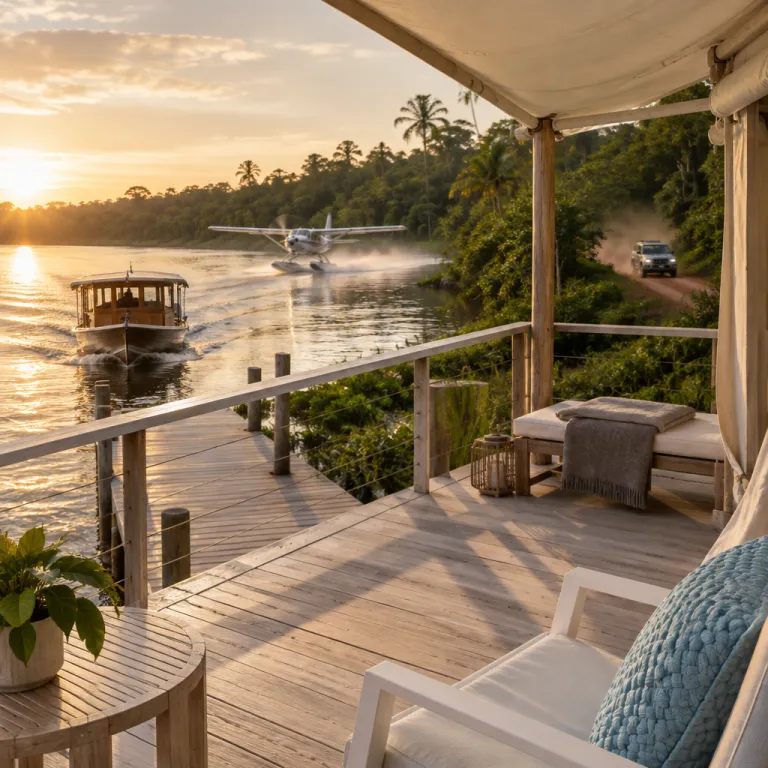
Why access defines your suriname jungle lodge experience
Choosing a suriname jungle lodge is less about star ratings and more about how you reach it. The mode of access shapes your budget, your sense of remoteness and the kind of jungle life you will actually touch during your days in the interior. For a solo traveller, that choice between fly in, drive in and river in stays quietly decides whether your trip feels like a controlled nature park escape or a full immersion in the middle jungle along the Suriname River.
Think first about time, not just about the lodge brochure or the word resort. A fly in jungle lodge deep in the Central Suriname Nature Reserve can give you pristine jungle river views in a single day, while a drive and boat combination along the Upper Suriname builds the story slowly with every rapid and village. River in routes by traditional boat demand more patience and flexibility, but they repay you with a moving panorama of jungle, paati landings and Maroon settlements that no quick tour from Paramaribo can match.
Access also dictates practical comfort, from air conditioning and hot water to how easily you can arrange transport from Paramaribo. Fly in jungle resorts usually include fixed departure times, scheduled jungle walks and a clear structure for each day trip, which suits first time visitors who want clarity. Drive in and river in jungle lodges often feel more fluid, with departure time shifting around water levels, boat availability and the rhythm of local life along the Suriname River.
Fly in jungle lodges: when remoteness is the real luxury
Fly in options are the purest form of suriname jungle lodge experience, because the aircraft lifts you straight from Paramaribo into uninterrupted canopy. Raleighvallen and its Foengoe Island base sit deep in the Central Suriname Nature Reserve, about a 50 minute flight from Paramaribo, and that short time in the air replaces a full day of rough road and river logistics. For a solo traveller with only a few days to spare, that efficiency can be the difference between a rushed tour and a calm, layered relationship with the jungle.
Once you land, the jungle feels close enough to touch, with the river curling around sandy banks and the forest wall rising behind the lodge. Here, the jungle walk is not a token activity but the main way you read the forest, from poison dart frogs to giant buttress roots and the quiet sound of water moving under the canopy. A fly in jungle resort usually offers a structured programme of day trips, guided climbs to viewpoints with a wide view of the jungle and carefully timed boat outings that respect both wildlife and weather.
Remoteness has a cost, and you feel it in both price and logistics, especially if you compare it with a shorter day trip from the coast or a quick visit to a closer nature park. Flights limit luggage, fix your departure time and make spontaneous changes harder, so you must plan your trip and overnight stay with precision. If you are weighing this against a long overland journey to somewhere like Blanche Marie Falls and the walk through Suriname’s deepest rainforest, a 48 hour detour for the time pressed, the plane often wins for those who value comfort and a predictable schedule.
Drive and boat into the Upper Suriname: layered journeys to jungle river life
Drive and boat combinations are the classic way to reach a suriname jungle lodge on the Upper Suriname, where the road ends and the river takes over. Anaula Nature Resort on the Upper Suriname is a roughly 3 hour drive plus about an hour by canoe, and that mix of asphalt and water gives you a gradual transition from Paramaribo’s wooden streets to full jungle. For a solo traveller, this route balances cost, comfort and a sense of adventure in a way that pure fly in trips sometimes cannot.
The road section usually starts with early transport from Paramaribo, often in a shared minivan that threads through small towns and roadside stalls before reaching the river landing. From there, the boat ride becomes your first real jungle tour, with the canoe weaving between rocks, paati landings and the first rapids that hint at the power of the Suriname River. You feel the air cool as the jungle thickens, and by the time you reach the lodge, the view of the jungle from the river feels earned rather than simply delivered.
Life along this stretch of jungle river is dense, with Maroon villages, children playing in the water and women washing clothes at the edge of the forest. Lodges like Anaula or Knini Paati River Resort often include village visits, night boat tours and guided jungle walks that explain how people have adapted to this environment over generations. If you are curious about how to time your trip for quieter days and softer rates, looking at guidance on the shoulder season in Suriname and the September window when lodges empty and rates soften can help you match your budget and comfort level to the right moment.
Pure river in stays: paati, knini and the slow route into the middle jungle
River in stays push deeper into the middle jungle, where the boat is not just transport but the main thread of your travel story. Here, names like Knini Paati and Palumeu mean more than lodge brands ; they are river communities and landing points that shape how you experience the Suriname jungle. A solo traveller choosing this route signs up for longer days on the water, shifting departure times and a closer look at the everyday life that lines the riverbanks.
On these routes, the paati, or small wooden platform, becomes your waiting room, your lunch stop and sometimes your overnight stay staging point. You may spend several days moving between simple jungle lodges and more developed jungle resorts, each with a slightly different view of the jungle and a different relationship to the surrounding villages. The rhythm is slower, with long stretches of boat travel broken by jungle walks, swimming in clear water and unhurried conversations with guides who know every bend of the Suriname River.
Comfort varies widely, from lodges with air conditioning, hot water and even a small swimming pool to more rustic cabins where the jungle breakfast is cooked over open fire. You trade some predictability for intimacy, especially when water levels change and the boat must detour around shallows or rapids. For travellers who want to feel the full scale of the jungle river system rather than just its polished edges, this river in style offers a depth that no quick day trip from the coast can match.
Matching your route to your solo travel style and time budget
Once you understand the three access styles, the real question becomes which suriname jungle lodge format fits your solo travel personality. If you are time poor but budget flexible, a fly in lodge in a protected nature park gives you maximum jungle per day, with clear departure times, structured jungle walks and minimal transit fatigue. Those with more days to spare and a taste for layered journeys often find that a drive and boat combination into the Upper Suriname offers the richest balance of river life, village culture and comfortable overnight stays.
Think about how you handle uncertainty, because river in routes to places like Knini Paati or Palumeu demand more tolerance for shifting plans. Boat departures can move with water levels, and a heavy rain can turn a two hour transfer into a longer adventure, even when your lodge has good air conditioning and reliable hot water. If that sounds stressful rather than exciting, you may be happier at a jungle resort closer to Paramaribo, where transport from the capital is shorter and the jungle feels like an intense but controlled backdrop.
Your base in the city matters too, especially if you plan multiple interior trips with different departure times and return days. Staying at a central address such as a refined suite hotel near Fort Zeelandia, as reviewed for the solo traveller on a dedicated Paramaribo hotel guide, makes it easier to store luggage, regroup between jungle segments and arrange last minute changes to your trip. In every case, align your chosen lodge, your route in and your personal rhythm, so that the river, the jungle and your own expectations move in step rather than in conflict.
Booking strategy, seasons and practical details for interior lodges
Planning a suriname jungle lodge stay is not a last minute exercise, especially for fly in properties with limited seats and fixed departure times. For peak dry season, when water levels are lower and jungle walks are easier, you should think in terms of booking several months ahead, particularly if you want specific lodges on the Upper Suriname or in remote nature parks. Solo travellers often underestimate how quickly small plane capacity and boat space fill up once local holidays and regional travel patterns converge.
Dry season brings clearer trails, more predictable boat travel and better chances of uninterrupted river tours, but it also concentrates demand. Shoulder months can be a sweet spot, with enough water in the jungle rivers for smooth boat access and fewer guests competing for the same view of the jungle from the lodge deck. Reading up on the September shoulder season, when lodges empty and rates soften, helps you decide whether to trade a little weather uncertainty for more space and quieter days.
When you book, pay attention to what is included in the rate beyond the room itself, such as transport from Paramaribo, jungle breakfast, lunch, guided day trips and evening activities. Clarify whether your lodge offers air conditioning, hot water and a swimming pool, or whether the focus is on a more elemental connection to water, forest and night sounds. For river in and drive in stays, confirm the exact departure time, the type of boat used and how the lodge handles delays, so that your expectations for comfort and safety match the reality of jungle travel.
Comparing key lodges and regions: Paramaribo gateways to deep jungle stays
Every suriname jungle lodge sits within a wider network that starts and ends in Paramaribo, so think of the capital as your control room. Overbridge River Resort, for example, is an easy river access option about a 45 minute drive from the city, ideal for a first taste of jungle river life without committing to long days of boat travel. It offers a gentle view of the jungle, sandy riverbanks and enough comfort to ease you into the idea of deeper interior trips.
Further afield, the Upper Suriname corridor around Anaula and Knini Paati brings you closer to Maroon culture, stronger rapids and more intense jungle walks, while still offering structured tours and reliable overnight stays. Palumeu, reached by a mix of flight and river, pushes you into a more remote middle jungle environment where the forest feels thicker, the water darker and the night sky brighter. Each region offers a different balance of nature, culture and comfort, so your choice of lodge is really a choice of river segment and surrounding life.
Within Paramaribo itself, staying in a well located hotel near the historic centre, such as the Zeelandia Suites address reviewed for solo travellers, makes it easier to coordinate early morning departures, late night returns and last minute changes to your itinerary. From there, you can move between the city’s layered cultures, the nearby Zorg en Hoop airstrip and the various river landings that lead into the interior. Treat the capital, the airstrip and the river ports as part of the same system, and your jungle lodge experience will feel less like a leap into the unknown and more like a carefully staged progression from city to forest.
Key figures for jungle lodge access and seasons
- Flights from Paramaribo’s Zorg en Hoop airstrip to interior airstrips such as Raleighvallen or Palumeu typically take around 50 to 60 minutes, compared with 6 to 8 hours by combined road and river routes for similar distances, according to regional tour operators.
- The drive from Paramaribo to the main Upper Suriname river landing near Atjoni averages about 190 kilometres and takes roughly 3 hours in dry conditions, based on local transport companies’ schedules.
- Boat transfers from Atjoni to popular Upper Suriname lodges usually last between 45 and 90 minutes, depending on water levels and the number of rapids, as reported by established Surinamese tour agencies.
- Dry season in Suriname generally runs from August to November, with river levels lower and rainfall reduced compared with the long rainy season from April to July, according to Suriname Meteorological Service data.
- Overbridge River Resort’s 45 minute road access from Paramaribo makes it one of the closest interior style properties to the capital, significantly reducing transfer time compared with deeper jungle resorts that require flights or long boat journeys.
FAQ about jungle lodges in Suriname
How far in advance should I book a suriname jungle lodge?
For fly in lodges with limited plane seats, aim to book at least two to three months ahead for dry season dates. Drive in and river in lodges on the Upper Suriname can sometimes be booked closer to departure, but popular weekends and holidays still fill quickly. Solo travellers should secure spots early, because single occupancy rooms are fewer than doubles.
Is a fly in lodge worth the higher cost for a short trip?
If you have only three to four days in Suriname, a fly in lodge can be worth the premium because it maximises time in the jungle and minimises transit fatigue. You trade long road and river transfers for a short flight, structured jungle walks and more relaxed mornings and evenings at the lodge. For longer trips, drive and boat combinations may offer better overall value and more varied experiences.
Can I visit the jungle as a day trip from Paramaribo?
Yes, you can reach places like Overbridge River Resort or other nearby riverfront properties as a day trip from Paramaribo by road. These visits give you a first taste of jungle river scenery, swimming and short walks without an overnight stay. However, deeper suriname jungle experiences on the Upper Suriname or in remote reserves generally require at least one or two nights at a lodge.
What level of comfort can I expect in jungle lodges?
Comfort levels vary widely, from simple wooden cabins with shared facilities to full service jungle resorts with private bathrooms, air conditioning and hot water. Fly in lodges and established Upper Suriname properties usually offer higher comfort, structured meals and reliable electricity. More remote river in stays may prioritise immersion in nature over amenities, so always check what is included before you book.
Is it safe to travel alone to interior lodges in Suriname?
Solo travel to interior lodges is generally safe when you book with reputable operators and follow their guidance on transport and activities. Most suriname jungle lodges operate on a small group basis, so you will usually join other guests for boat transfers, jungle walks and meals. As with any remote travel, share your itinerary with someone at home and keep communication lines open with your lodge and city hotel.