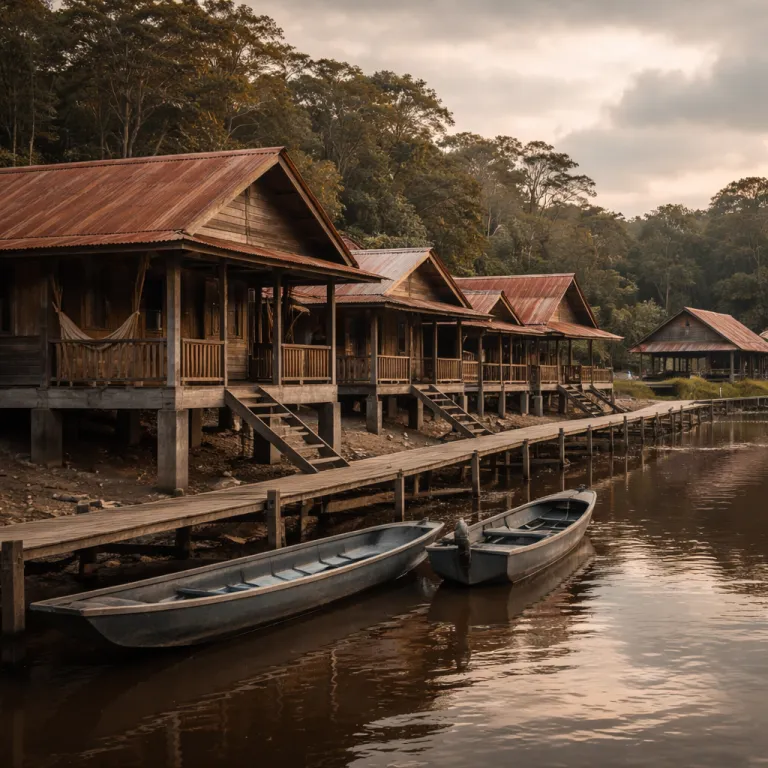
Why a maroon village stay in Suriname belongs on a luxury itinerary
A Maroon village stay in Suriname is not a downgrade from city luxury; it is a different tier of richness. You trade marble lobbies for the deep hush of the Suriname River at dusk, and you swap a pillow menu for the quiet authority of a local guide who reads the current like a book. For many guests, this shift in what feels premium will reshape how they think about price, comfort and value for years.
In this part of Suriname, the lodge is often owned by the surrounding Maroon village, so every person you meet has a stake in your stay. That village-owned lodge model, seen at places such as Danpaati River Lodge, Anaula Nature Resort and Isadou Island, means your booking supports jobs, craft cooperatives and school projects rather than a distant shareholder. At Danpaati, for example, part of the revenue helps fund a medical post and school transport for river children, while Anaula has supported village electricity and scholarship schemes. As one Saramaka guide near Jaw Jaw village puts it, “When guests come here, they help us send our children to school.” The general rule is simple: if the community is on the board, the experience feels grounded, and the maximum impact of your visit stays along the river instead of leaking away to the capital.
When you plan a Maroon village stay in Suriname, think of it as a cultural hotspot rather than a remote outpost. You are entering Saramaka territory, where drum rhythms carry across the water and carved canoes line the sand like sculpture. A well-run lodge will brief guests clearly on what is shared with visitors and what remains private, so you can walk through the village with respect and understand that some ceremonies are not for cameras or tours.
Getting there: river journeys, transportation and what the boat will really feel like
The journey into the Upper Suriname River corridor is half the story, and it starts long before you see your first rapid. Most itineraries combine transportation by bus from Paramaribo with a narrow wooden boat trip upriver, and the shift from asphalt to water is where the jungle begins to close around you. For a first Maroon village stay in Suriname, expect the duration in days to include at least one full day on the river itself.
Tour operators usually outline a clear minimum number of guests before confirming, because the cost of fuel and the maximum people per boat are tightly linked. A typical schedule might read: transportation by bus for three to four hours to the Atjoni jetty, then a “bus boat” style transfer of about two to three hours where luggage and people are balanced carefully before the captain will push off. On shallow stretches the local guide may ask one person to move forward so the boat will skim more easily over the water, and this is where you understand why hiking shoes and a hat or cap are not just packing list suggestions.
On a well-organised Saramaka village stay itinerary, the day will unfold in stages as you move deeper into Maroon territory. Morning light is best for the long boat trip, when the river is glassy and the air still cool. By afternoon, the sun is high, the water level can drop, and you may step out to walk short sandbanks while the crew guides the boat through shallows.
Life at the lodge: beds, bath, toilet and the real meaning of comfort
Once you arrive at a river lodge, the first luxury is space: wide decks, open-sided dining rooms and the constant breeze off the Suriname River. Do not expect urban hotel standards, but do expect a thoughtful balance between comfort and the realities of a rainforest climate. Many lodges offer solid beds with mosquito nets, simple bath and toilet facilities, and fans that run during evening hours when the generator hums to life.
In a typical community-run property, the maximum number of guests is deliberately limited so the riverbank never feels crowded. Some lodges use traditional kabura-style houses with shared verandas, while others mix private bungalows with family rooms where children and adults share one large space. Hammocks may appear on your porch rather than as your main bed, but ask in advance if you prefer a standard mattress, especially when travelling with children under ten years old who may sleep more soundly in a regular bed.
Water is part of daily life here, not just a view, and you will feel it in the humidity and the rhythm of the day. Many guests choose a quick river bath before dinner, then use the lodge bath and toilet block for a final rinse, which keeps sand and mud out of the rooms. Pack light hiking shoes that dry quickly, a hat or cap for the midday sun, and a soft mouthguard if you are sensitive to the gentle rocking of a boat-bed-style hammock during naps.
Cultural immersion: Saramaka traditions, guided walks and what is not on the tour
The heart of a Maroon village stay in Suriname is cultural immersion, not just scenery. Operators describe it simply: “What is a Maroon village stay? An immersive experience in a Maroon community to learn about their culture and traditions.” That clarity matters, because you are entering living villages, not open-air museums built for day trips.
Expect guided walks through the Maroon village with a local guide who grew up along this river, often switching between Saramaka, Dutch and English as easily as he steers a canoe. You might pass a jaw tela cloth market stall where women sell bright textiles, or a Pikin Slee-style hamlet where children play near the water while elders weave baskets in the shade. Some tours include a structured cultural immersion evening, with storytelling, drumming and a chance to taste cassava bread and river fish prepared in the village kitchen.
There are also clear boundaries, and a responsible lodge will explain them before any tour begins. Certain rituals, funerary sites and sacred trees are not part of the general visitor experience, and photography may be restricted in specific areas. Respecting those limits is non-negotiable if you want your presence as a person and as a paying guest to support, rather than distort, the culture that drew you to the Suriname River in the first place.
How to choose and book: ethics, price and who this stay is really for
Choosing the right Maroon village stay in Suriname starts with one question: who owns the lodge. A village-owned lodge channels revenue into community projects and long-term jobs, while a Maroon-themed property in the city may only stage performances without sharing governance. When you compare price, ask operators directly how much of your booking fee reaches the Maroon communities hosting you.
Ethical booking also means checking group size, duration in days and the style of transportation by bus and boat, because these details shape both comfort and impact. Look for itineraries where maximum people per group stays low, where a local guide from the village leads the cultural activities, and where the schedule allows unhurried evening hours rather than rushed day trips. A three-day package to the Upper Suriname River, including meals and river transport, often starts around mid-range hotel prices in Paramaribo, with higher rates for private cabins. If you prefer polished spas and air-conditioned corridors, a riverside resort near Paramaribo such as the Royal Torarica, reviewed in depth in our inside Royal Torarica suite-by-suite verdict, may suit you better than a remote lodge reached only by bus boat and canoe.
For travellers who value authenticity over formality, a Saramaka village stay is hard to match. You will share meals at long tables, compare notes with other guests about how the day will unfold, and fall asleep to the low roar of rapids instead of city traffic. Families with children from about eight years and above often thrive here, as long as at least one adult is comfortable with basic facilities, shared bath and toilet blocks, and the occasional early morning wake-up when the first boat will pass your stretch of river.
Practical tips: safety, packing and making the most of your river days
Preparation turns a Maroon village stay in Suriname trip from challenging to effortless. The general packing list is short but specific: light clothing, strong insect repellent, hiking shoes with grip, and a hat or cap that stays on in the wind. Add a dry bag for electronics, because water is a constant companion on every boat trip and short walk.
Ask your operator about safety standards on the Suriname River, including life jackets for each person and clear rules for children and non-swimmers. Many tours specify a minimum number of guests to ensure there are enough adults on board to balance the boat, and they will outline how the boat will be loaded before you step in. During the hottest part of the day, guides often schedule shaded activities or rest time at the lodge, then shift more active hiking or village visits to cooler morning and evening hours.
For day trips from Paramaribo into the interior, check whether transportation by bus connects smoothly with the river segment or whether an overnight near the jetty is recommended. Clarify in advance how many days you will actually spend at the lodge versus in transit, especially if your schedule is tight. Finally, remember that a Maroon village stay along the Suriname River is less about ticking off sights and more about settling into the slow rhythm of the river, where time stretches, conversations deepen and the jaw-dropping jungle skyline becomes your nightly entertainment.
FAQ
What is a maroon village stay in Suriname ?
A Maroon village stay in Suriname is an immersive visit to a Saramaka or other Maroon community along rivers such as the Upper Suriname River, usually based in a simple lodge owned or co-managed by the village. Guests sleep in basic but comfortable rooms, share meals prepared with local ingredients and join guided walks, boat trips and cultural activities led by residents. The aim is cultural exchange and economic support for the community rather than resort-style entertainment.
How do I arrange a maroon village stay and handle booking details ?
You arrange a Maroon village stay through tour operators or directly with lodges that specialise in community-based tourism in Suriname. When you make a booking, ask about ownership structure, maximum group size, duration in days at the lodge and what is included in the price, such as transportation by bus and boat, meals and a local guide. Confirm policies for children, including minimum age for participation and whether family rooms with multiple beds are available.
What should I pack for a maroon village stay along the Suriname River ?
Pack light, breathable clothing, strong insect repellent, hiking shoes with good grip and a hat or cap for sun protection on the river. A small dry bag protects phones and cameras during the boat trip, while a headlamp is useful during evening hours when paths between your bed and the shared bath and toilet blocks are dim. Bring any personal medication, including for sensitive stomachs or jaw tension if you find boat travel tiring, because pharmacies are far from the Maroon village areas.
Is a maroon village stay suitable for children and older guests ?
Many lodges welcome families, but they often recommend a minimum age, typically around eight years, because of river safety and basic facilities. Children who are comfortable in boats and can follow safety instructions usually adapt well, especially when day trips are kept short and there is time to rest during the hottest part of the day. Older guests should consider mobility, as getting in and out of a narrow boat and walking uneven village paths can be challenging without good balance and supportive shoes.
How can I be sure my stay benefits the local community ?
To ensure your Maroon village stay supports the host community, ask operators directly whether the lodge is village-owned or run as a cooperative, and what share of the price goes to local salaries and projects. Look for itineraries where a local guide from the Maroon village leads cultural activities, and where crafts and performances are presented on the community’s terms. Choosing smaller groups, respecting cultural boundaries and staying for several days rather than a rushed visit all increase the positive impact of your presence.