Why a Suriname cooking workshop in Paramaribo belongs on a luxury itinerary
In Paramaribo, the most memorable luxury often starts in a humble kitchen. A carefully curated Suriname cooking workshop in Paramaribo can feel more exclusive than any white tablecloth restaurant, because every person is invited into a private home atmosphere where stories simmer alongside surinamese dishes. For travelers used to polished hotel lobbies, this kind of culinary experience becomes the rarest amenity of all.
The workshop led by Aunt Elfriede on Justinestraat turns surinamese cuisine into a living narrative, not a static menu card. Over three hours, you move from market tour to hands on cuisine cooking, guided through piles of fresh herbs, spice blends and vegetables that anchor both Hindustani and Javanese cuisine in Suriname. It is a compact day segment, yet it reshapes how you will read every hotel restaurant menu in the country.
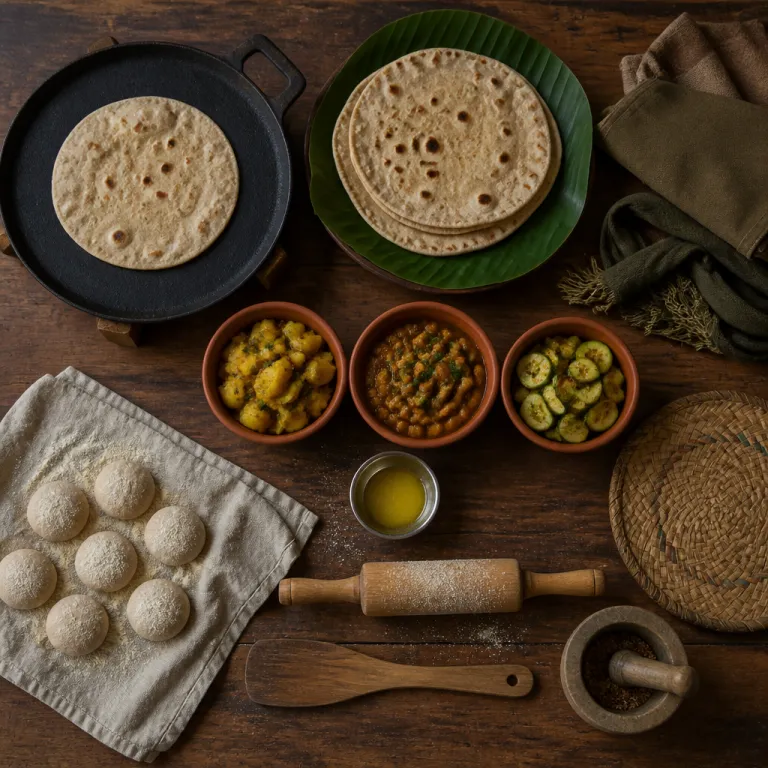
Luxury travelers often ask what they will actually learn prepare here. You knead roti dough, fold it with ghee, and cook it on a hot plate while the speaking chef explains how Hindustani migration made roti a national dish in Suriname. You also assemble moksi alesi or alesi pom as a main dish, add at least one vegetable side dish, and finish with something sweet that pairs naturally with local drinks.
For guests staying in high end properties in Paramaribo, this cooking workshop functions as a cultural counterweight to air conditioned suites. The small group format, capped at a few people, keeps the experience intimate enough for real conversation about surinamese cuisine and daily life. When you return to your hotel, the contrast between polished service and flour dusted hands underlines why food tourism now rivals traditional city tours.
From a booking perspective, this is not a last minute activity. Availability is limited because the classes run on various dates and require at least two participants, so serious planners reserve their spot months ahead, especially during peak travel periods. For a luxury traveler building a multi day itinerary, locking in this workshop early is as essential as securing a river facing suite or private transportation to the interior.
Inside the Hindustani roti class: what you actually cook, taste and talk about
The session begins away from the stove, with a short market tour that anchors the cooking in real Paramaribo life. You walk past stalls where a Javanese vendor sells spice pastes next to Hindustani aunties arranging herbs, and the speaking chef points out how these cultures share ingredients yet create very different dishes. It is the kind of grounded culinary briefing you rarely receive in hotel restaurants, even at the luxury end.
Back in the kitchen, the class shifts into structured cooking classes rather than a passive demonstration. Each person is assigned a task, from rolling roti to seasoning a curry that will later soak into the flatbread, while the dutch speaking host moves easily between English Dutch explanations. The rhythm feels like a well run brigade, yet the tone stays relaxed enough for questions about everything from spice heat to where locals actually eat roti in Paramaribo.
Roti is the headline, but the menu usually extends into at least one rice based dish such as moksi alesi or a variation of alesi pom, plus a vegetable side dish that keeps the plate balanced. Surinamese dishes often weave Hindustani, Creole and Javanese influences, so you might see a Javanese style sambal appear next to a Hindustani curry on the same plate. For travelers who have already read our guide to where business travelers actually eat roti for lunch in Paramaribo, this workshop becomes the backstage pass to those flavors.
Drinks are kept simple and thoughtful. Bottled water is always on hand, and non alcoholic beverages such as fresh juices or local soft drinks usually accompany the meal, while alcoholic beverages are not the focus of this particular experience. The emphasis stays firmly on the culinary craft, the textures of the dough, the aroma of toasting spices and the quiet satisfaction of eating a dish you have just helped create.
Dietary needs are handled with the same calm precision you would expect from a well trained hotel kitchen. When you book, you are encouraged to mention if you prefer keksi vegetarian options or need adjustments to traditional dishes, and the team adapts the menu without diluting its surinamese character. “Is the workshop suitable for vegetarians?" "Yes, vegetarian options are available."
From Blauwgrond warungs to river lodges: how this workshop reframes Suriname’s food map
Paramaribo’s Blauwgrond neighborhood is famous for its Javanese warungs, where smoky satay and bowls of saoto soup define many visitors’ first taste of Javanese cuisine. Eating there is essential, but it is still a restaurant experience where the dishes arrive fully formed and the story behind them remains mostly unspoken. The Suriname cooking workshop in Paramaribo flips that script by making you part of the process, from chopping to plating.
In Blauwgrond, a plate of nasi or bami tells you that Javanese migration left a deep imprint on surinamese cuisine. In the workshop kitchen, the speaking chef explains how those Javanese flavors sit alongside Hindustani roti, Creole stews and Maroon cassava dishes in one compact city, and you feel that layered identity in every dish you cook. It is a culinary experience that mirrors the way river guides and city historians both interpret the same landscape differently.
Travelers heading into the interior for Maroon led stays, such as those we profile in our feature on sleeping in a Saramaka village, often report that this Paramaribo workshop changes how they approach food upriver. After learning to cook roti and moksi alesi in town, they arrive in a Saramaka village more attuned to the differences between river fish stews, cassava breads and the rice based dishes they prepared in the city. The workshop becomes a culinary compass that orients you as you move from capital to rainforest.
Even the logistics echo the contrast between urban and jungle travel. In Paramaribo, you might arrive at the workshop by taxi rather than by dugout canoe, but the emphasis on small group interaction feels similar to a guided river tour. Some travelers arrange private transportation through their hotel concierge, while others share a ride with fellow participants, turning the journey itself into a pre class social moment.
For those considering a helicopter tour over the canopy, it is worth reading our analysis of why river by river memory still wins above the canopy before finalizing plans. The same principle applies in the kitchen ; a hands on cooking class with a local, dutch speaking chef will always reveal more about Suriname than a series of anonymous hotel buffets. Food tourism here is not an add on but a parallel track to river journeys and heritage walks.
Social alchemy in the kitchen: why solo travelers book this class first
For solo travelers staying in luxury hotels, the most difficult part of a Paramaribo stay is often not safety or logistics but meaningful connection. Hotel bars can feel transient, and organized city tours sometimes keep conversation at surface level, especially when every person is focused on taking photos. A Suriname cooking workshop in Paramaribo solves that by turning the kitchen into a natural social hub.
From the moment you tie on an apron, the hierarchy of traveler, host and guide softens. You stand shoulder to shoulder with strangers, passing bowls of chopped vegetables and debating how thin a roti should be, while the speaking chef glides between English Dutch explanations and gentle corrections. Within minutes, a small group of individuals becomes a functioning team, united by the shared goal of getting lunch on the table.
The format encourages conversation that rarely happens on a standard tour. While you wait for moksi alesi to steam or a side dish to finish simmering, talk drifts from hotel recommendations to river itineraries, from favorite Javanese dishes in Blauwgrond to which surinamese dishes pair best with certain drinks. Because everyone is literally in the same pot, the social energy feels more like a dinner party than a class.
Luxury travelers often underestimate how valuable this kind of organic networking can be. A person you meet while learning to cook alesi pom might share a trusted driver contact, a tip about private transportation to a remote lodge, or candid reviews of a river cruise you were considering. In a destination where information can be fragmented, these informal workshop reviews become as useful as any online platform.
For introverts, the structure of the cooking classes offers gentle protection. Tasks are clear, conversation has an easy focus in the food, and you can step back to sip bottled water or adjust seasoning whenever you need a pause, without feeling antisocial. By the time you sit down to eat, the group usually feels like a temporary family, which is a rare luxury for solo explorers moving quickly through Suriname.
How to book, what it costs emotionally and what hotels should do next
Securing a place in this Suriname cooking workshop in Paramaribo requires the same forward planning you would apply to a coveted river lodge. The organizers recommend that you book months in advance, especially if your stay coincides with regional holidays or major events, because availability is limited by the small group format. “Book months in advance." "Wear comfortable clothing." "Inform about dietary restrictions."
Pricing is not publicly fixed because it can vary with group size and inclusions, and the official line is clear : “How much does the workshop cost?" "Pricing details available upon request." For luxury travelers used to transparent rate grids, this might feel unusual, but it reflects a hands on operation that adjusts to private bookings, language needs and sometimes even hotel coordinated private transportation. The value lies less in the exact figure and more in the depth of cultural access you receive in three concentrated hours.
From a hotel perspective, integrating this workshop into concierge offerings is a straightforward way to elevate guest experience. Rather than defaulting to generic city tours, properties can position the class as a signature cultural amenity, on par with spa treatments or curated bar programs, and collect honest guest reviews afterward to refine recommendations. Over time, these internal workshop reviews help hotels understand which guests respond most strongly to culinary immersion and tailor suggestions accordingly.
Guests should treat the class as a semi active excursion. Wear light clothing suitable for a warm kitchen, expect to stand for stretches while you cook, and be ready to taste generously seasoned surinamese cuisine that may differ from hotel toned down versions. If you prefer keksi vegetarian or need to avoid certain ingredients, communicate this clearly at booking so the team can adjust traditional dishes without compromising the integrity of the experience.
Finally, remember that no prior cooking experience is required. “Do I need prior cooking experience?" "No, beginners are welcome." Whether you usually dine on tasting menus or room service, the workshop invites you to cross the invisible line between guest and host, turning Suriname from a destination you consume into a cuisine you can actually cook. That shift lingers long after you check out of your Paramaribo hotel and return home with flour on your memories.
FAQ
How long does the roti cooking workshop in Paramaribo last ?
The Hindustani roti cooking workshop in Paramaribo typically runs for about three hours. That duration includes a short market visit, the hands on cooking session and time to sit down and enjoy the dishes you have prepared. It fits comfortably into a single day’s schedule alongside other city activities.
Is the Suriname cooking workshop suitable for beginners ?
The class is designed so that every person, including complete beginners, can participate confidently. Step by step guidance from a dutch speaking, English capable chef keeps the techniques accessible, from rolling roti to seasoning moksi alesi. More experienced cooks still find value in learning how surinamese dishes balance spices and textures.
Are vegetarian or special dietary requests accommodated ?
Yes, vegetarian guests and those with specific dietary needs can usually be accommodated if they communicate requirements in advance. The team can emphasize vegetable curries, rice dishes and side dish combinations that align with keksi vegetarian preferences while staying true to surinamese cuisine. Informing the organizers early helps them plan ingredients and avoid last minute compromises.
What is included in the workshop price ?
The fee generally covers the guided market tour, all ingredients for the cooking classes, use of traditional utensils and the shared meal at the end. Bottled water and simple non alcoholic drinks are typically provided, while alcoholic beverages are not a central part of the experience. Exact inclusions and pricing details are available upon request from the organizer or via your hotel concierge.
How far in advance should I book from my hotel ?
Because the workshop operates with small group sizes and limited availability, booking several weeks to months ahead is strongly recommended. This is especially important during busy travel periods when more visitors are seeking culinary experiences in Paramaribo. Luxury hotels can often assist with reservations and coordinate private transportation if needed.