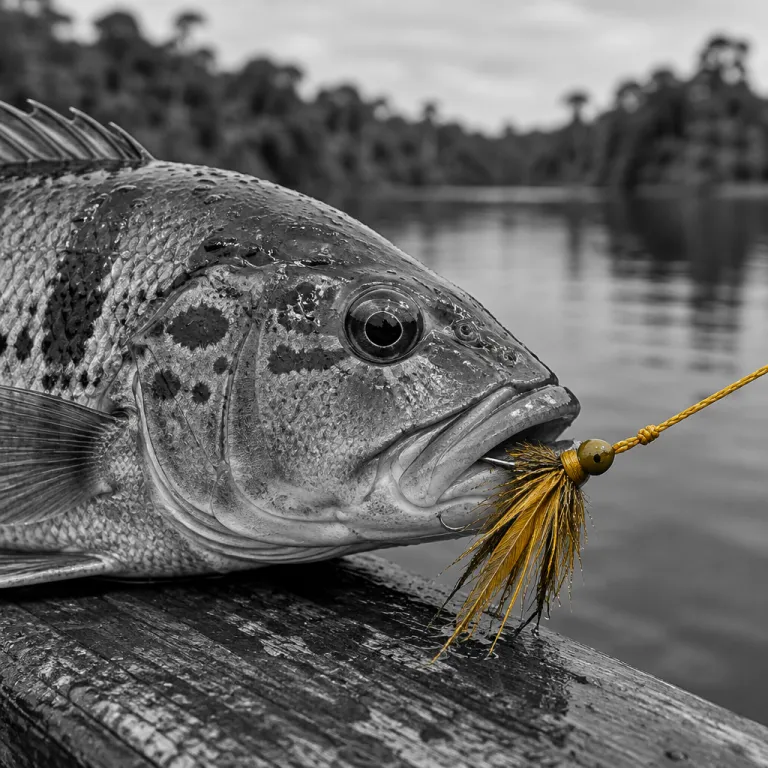
Why Brokopondo belongs on a serious sport fishing itinerary
Suriname looks small on the map, yet its waters feel vast. For a business traveller eyeing one free day, the Brokopondo Reservoir offers a concentrated Suriname sport fishing experience that still feels like genuine South America wilderness. You step out of a polished Paramaribo lobby and, within three to four hours door to dock, you are casting for peacock bass over flooded jungle trees.
The Brokopondo Reservoir is an immense flooded forest where peacock bass, locally called toekoenari or tukunare, hunt in tight, explosive bursts. This is where many anglers rate the best short-format fishing in Suriname for a high impact day that fits neatly between meetings and flights. Expect a focused sport fishing session rather than a gentle scenic tour, with the boat hugging submerged structure while your guide reads the wind, light and sonar.
On a typical guided trip here, you leave Paramaribo before dawn, drive about 90 to 120 minutes to Brokopondo by paved road, then switch to a fast aluminum or fiberglass boat for a 20 to 40 minute run across the reservoir. The fishing is visual and immediate, with bass smashing surface lures and the occasional redtail or other catfish testing lighter tackle near drop offs. For travellers used to manicured resort lakes, this inland Suriname setting feels raw yet controlled, especially when you book through a luxury focused operator that understands both service and safety.
Reading seasons, water levels and your limited days off
Timing your trip is as critical as choosing the right hotel suite. Suriname’s main dry seasons, roughly from mid January to April and again from mid August to early December, bring falling water that concentrates fish in predictable holding areas. That pattern makes a Brokopondo day trip far more efficient for a one or two day escape from the city, because guides can return to proven structures and channels.
During these dry windows, the Brokopondo Reservoir shrinks back from the treeline, and bait fish gather along channels where peacock bass and other cichlid or bass species ambush them. Guides talk about “working the edges” because the best fishing often happens where drowned forest meets open water, especially on a clear, still day with stable barometric pressure. If you are planning a multi day fishing tour, these months also mean more predictable weather, fewer cancelled departures across Suriname and a smoother overall travel rhythm.
Executives who can flex their calendars slightly should look at the softer shoulder weeks within the dry season, when both lodges and guides have more room to manoeuvre. Planning around the nuanced dry season patterns is easier when you study a specialist overview such as this guide to the September shoulder season in Suriname. Aligning your Brokopondo ambitions with these cycles will turn a rushed outing into a measured, almost meditative fishing adventure.
Designing a Brokopondo fishing day from a Paramaribo base
Most luxury travellers will base themselves in Paramaribo, where colonial era properties and contemporary riverside hotels offer strong service standards. From here, a curated Brokopondo fishing day can be slotted between boardroom commitments with surprising ease. The key is to work with operators who understand both corporate time pressure and the realities of a large tropical reservoir.
A typical high end fishing tour starts with a pre dawn hotel pickup, a smooth road transfer south and a quick briefing on tackle, safety and the local fishing license requirements. Once on the boat, your guide will structure the day into focused sessions, targeting peacock bass at first light, then shifting to deeper fish or even opportunistic catfish as the sun climbs. Many operators now emphasise catch and release for larger peacock bass, which protects the fishery while still delivering that satisfying, hard pulling fight; fish in the 2 to 6 kilogram range are common, with occasional larger specimens.
For travellers who want to balance meetings with water based tours Suriname offers, pairing a Brokopondo day with an early morning river outing works well. Some executives add a dawn wildlife or dolphin focused boat ride on the Suriname River, using options similar in spirit to the experiences described in this 6 am boat ride from Paramaribo. That way, your short trip yields both a serious sport fishing memory and a softer nature tour, without extending your stay by more than a single day.
When one day is not enough: Coppename, Corantijn and multi day river runs
For anglers who have already tasted Brokopondo’s flooded forest, the next logical step lies west and central, along the Coppename River and the Corantijn River. These systems feel wilder than the reservoir, with fast channels, deep pools and a stronger sense of being far from the city. Here, the fishing experience shifts from peacock bass centric days to a broader cast of predators and classic Amazon basin species.
The Coppename River is known for anjoemara, often called wolf fish, which hit lures with brutal force and then bore straight back into structure. In the deeper bends, guides talk quietly about lau and the giant lau lau, better known as piraiba catfish, which can exceed 50 kilograms and turn a calm afternoon into a full scale fishing adventure. On the Corantijn River, which forms the border with Guyana, the mix of current seams and sandbars creates varied fishing spots where both bass and catfish species patrol, including redtail catfish and other heavyweight bottom dwellers.
These rivers reward a multi day approach, with two or three nights in simple but comfortable jungle lodges that can still meet the expectations of a business leisure traveller. A well run fishing tour on these waters will include a properly equipped boat, clear safety briefings and a strong emphasis on catch and release for larger piraiba catfish and anjoemara. When you extend your trip this way, you trade the convenience of a single day dash from Paramaribo for a deeper immersion in South America river nature, with stars overhead and the sound of distant rapids at night.
Choosing operators, boats and hotels that match your standards
Luxury in a fishing context is less about marble bathrooms and more about competence, reliability and thoughtful service. For Brokopondo and the main rivers, that starts with a reputable operator, a well maintained boat and guides who understand both sport fishing and hospitality. Names change over time, but you should always look for clear communication on safety equipment, tackle, meals and the exact shape of your fishing tours, ideally in writing before you pay a deposit.
Some travellers work with established travel agencies such as Orange Travel Suriname, which can bundle hotel bookings, transfers and curated fishing tours into a single itinerary. Whether you book through Orange Travel or another specialist, insist on clarity around the fishing license process, the policy on catch and release and the maximum number of anglers per boat. A lower guest to guide ratio usually means a more tailored fishing experience, especially when you are targeting specific species like peacock bass, anjoemara or piraiba catfish.
On the accommodation side, pairing a riverside suite in Paramaribo with a carefully chosen lodge near Brokopondo or along the Coppename River gives your trip a satisfying rhythm. Between fishing days, you can schedule lighter tours Suriname wide, from cultural walks to short nature cruises, using resources such as this dry season guide to rivers and trails to understand how conditions shift. The result is a balanced itinerary where each day on the water feels intentional, and every return to your hotel reinforces the sense that you have chosen the best base for both work and play.
Responsible angling and the future of Suriname’s premium fisheries
High end travellers increasingly want their Suriname fishing stories to age well, both ethically and environmentally. That means asking how guides handle fish, what gear they use and how they think about the long term health of the Brokopondo Reservoir and the surrounding rivers. Responsible sport fishing is no longer a niche concept here; it is becoming the standard among serious operators and lodge owners.
On Brokopondo, many guides now encourage barbless hooks for peacock bass and quick, in water releases for larger specimens. The same catch and release mindset is spreading along the Coppename River and the Corantijn River, especially for iconic species like piraiba catfish, big lau and trophy anjoemara. When you book a fishing tour, ask directly about these practices, and be prepared to support them even if it means fewer grip and grin photos on a hot day.
From a traveller’s perspective, choosing operators who respect nature also tends to correlate with better overall service and more thoughtful trip design. These teams usually know the best fishing spots because they spend time observing seasonal shifts, not just chasing quick wins. By aligning your fishing adventure with such guides, you help ensure that Brokopondo, the Coppename River runs and the wider tours Suriname offers will remain viable, premium experiences for years, while still delivering the kind of fishing that justifies extending a business trip into something far more memorable.
FAQ
Do I need a fishing license for Brokopondo and the main rivers ?
Yes, visitors generally need a recreational fishing license for Brokopondo and for guided trips on major rivers such as the Coppename River and the Corantijn River. In practice, reputable operators or agencies like Orange Travel Suriname usually arrange this in advance through the relevant Surinamese authorities as part of your fishing tour package. Always confirm that your license is included before you travel, especially if you are planning a multi day fishing adventure.
What species can I expect on a one day Brokopondo trip ?
On a focused day at the Brokopondo Reservoir, most anglers target peacock bass as the headline species. Depending on conditions and your guide’s plan, you may also encounter other bass varieties, piranha and occasional catfish near deeper structure or flooded timber. The emphasis is usually on active sport fishing with lures and light to medium tackle, creating a dynamic fishing experience that fits neatly into a short business leisure trip.
How does Coppename River fishing differ from Brokopondo ?
The Coppename River offers a more remote, riverine setting compared with the open water feel of Brokopondo. Here, anglers often focus on anjoemara and larger catfish such as piraiba catfish, working current seams, rapids and deep pools from a smaller boat. Because of the travel time, the need for local boatmen and the nature of the fishing spots, the Coppename River is usually better suited to a multi day fishing tour than a single day dash.
Can I combine high end hotels with a serious fishing adventure ?
Yes, many travellers base themselves in premium Paramaribo hotels and then book curated fishing tours that include transfers, boats and guides. This approach lets you enjoy strong service standards in the city while still accessing the best fishing on the Brokopondo Reservoir, the Coppename River or the Corantijn River. Working with a specialist agency or operator ensures that your fishing experience aligns with the comfort level you expect from a luxury stay.
When is the best time of year for sport fishing in Suriname ?
The most reliable conditions for Brokopondo and the main rivers usually fall within the two dry seasons, when dropping water levels concentrate fish and make structure easier to read. During these periods, peacock bass, anjoemara and larger catfish are easier to locate, making each day on the water more productive. Planning your trip around these windows, and using resources that explain Suriname’s dry season patterns, will significantly improve your overall fishing experience.