Suriname traditional herbal bath wellness in Maroon culture
Suriname traditional herbal bath wellness begins far from Paramaribo’s riverfront hotels, deep along the tannin dark bends of the Upper Suriname River. Here, Maroon communities treat the herbal bath as both medicine and spiritual reset, a traditional system where medicinal plants, forest herbs and river water work together for health and protection. For a solo traveler used to polished spa menus, this is wellness anchored in history, community and lived conditions rather than scented candles.
Local herbalists, often women, read your body and your story as carefully as any physician of conventional medicine, then select each plant with intention for the bath. Some leaves are used freshly harvested for their aromatic oils, while others are dried to concentrate medicinal herbs that are believed to support blood circulation, skin resilience and the nervous system. These traditional herbal practices sit alongside what many visitors might call alternative medicine or complementary alternative care, yet here they are simply daily life and cultural continuity.
In Maroon villages, the herbal bath is known as oso dresi, literally “house medicine”, and it is treated as both remedy and ritual. The herbal baths can be prepared to address specific health conditions, from tired muscles after paddling to emotional heaviness, with certain plants chosen for perceived anti inflammatory or anti anxiety effects. When travelers speak about Surinamese Maroon herbal baths and traditional wellness rituals, they are entering a living indigenous knowledge system, not a trend imported from North America or a themed spa night.
From forest ritual to lodge spa menu
Luxury lodges along the Upper Suriname now translate this Suriname traditional herbal bath wellness into guest experiences, with varying degrees of authenticity. Properties such as Awarradam Jungle Lodge work with nearby Maroon communities, inviting local herbalists to prepare herbal baths on site while the lodge team manages logistics and guest comfort. As Awarradam notes in its own materials, the aim is to let “guests experience traditional Maroon culture in a respectful way” rather than stage a show, and this is where a traveler used to refined relaxation and curated spa suites can step into something older, slower and far more relational.
At these properties, the herbal bath is usually offered as a guided session rather than a casual soak you book like any other treatment from a hotel spa with wellness facilities. You might see it listed alongside massages and facials, yet the lodge will explain that Maroon herbal baths are “traditional baths using medicinal plants for cleansing,” and that “yes, when conducted by knowledgeable practitioners” they are considered safe for visitors. For a broader overview of where such experiences sit within the country’s high end wellness scene, the guide to Suriname hotels with spa for discerning travelers is a useful starting point before you head upriver.
Unlike a standard spa bath, an oso dresi session at a lodge keeps the focus on medicinal herbs and traditional herbal knowledge rather than on décor. The plants are still gathered from the forest, the calabash still pours herbal soak over your shoulders, and the emphasis remains on health benefits and spiritual cleansing rather than on Instagram ready design. When lodges handle this well, Suriname traditional herbal bath wellness becomes a bridge between tourism and cultural preservation, not a themed add on.
Inside the ritual: from plant selection to herbal soak
Your experience of Suriname traditional herbal bath wellness usually begins with a quiet conversation under a thatched roof, not at a marble reception desk. The practitioner asks how you sleep, where your body feels heavy, which conditions trouble you, then translates those answers into a set of plants and herbs that will shape the bath. This is not traditional Chinese or Chinese medicine, yet the attention to mechanism of action and to the whole system of the body will feel familiar to anyone who has explored alternative medicine in other parts of the world.
Next comes the preparation, which is as much performance as it is pharmacology, and you are invited to watch. Leaves and bark from medicinal plants are rinsed, sometimes bruised, then simmered in a large pot until the herbal decoction turns the water a deep green brown, while a separate basin is filled with cool glass water from the river or a well to temper the heat. Some recipes for the bath use only freshly harvested plants, others combine fresh and dried material, and the herbalist may explain that this balance is chosen to support blood flow, skin tone and the nervous system in different ways. Commonly cited species in ethnobotanical surveys of Suriname’s Maroon communities, such as those by researcher Tinde van Andel and colleagues, include krapa (Carapa guianensis) for skin and busikondre bon (various Piper species) for circulation, though exact combinations vary by village and healer.
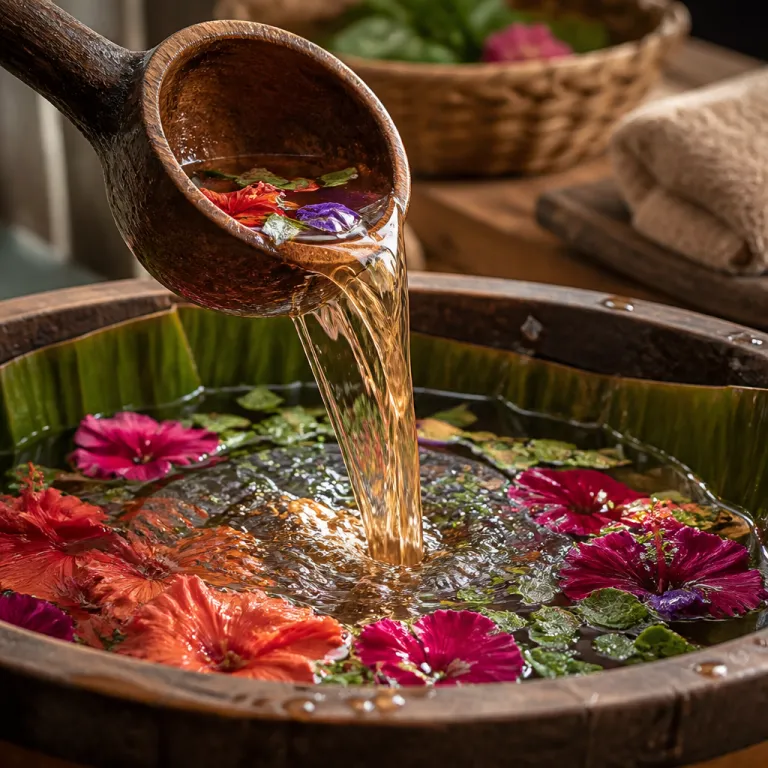
When the herbal soak is ready, you step into a wooden or tiled enclosure, often semi open to the forest, and the ritual begins. Warm herbal baths are poured over you three times, sometimes more, with the calabash tracing slow paths down your spine to stimulate blood circulation and release tension. The scent of crushed leaves, the sound of water and the rhythm of the pouring create a sensory field that feels closer to ceremony than to any private pool experience, even at the most refined Suriname hotels with private pools.
Ethics, respect and community led wellness
For a luxury traveler, the most important part of Suriname traditional herbal bath wellness is not the bath itself but who controls the narrative and the benefits. When Maroon communities, local herbalists and lodge owners design the experience together, the ritual remains rooted in indigenous practices rather than reduced to a themed treatment. This community led approach also ensures that knowledge about medicinal herbs, plant selection and ritual protocols is transmitted within the culture, not extracted for outside gain.
Ethical lodges are transparent about where the plants come from, how many species are used and how harvesting is managed so that the forest remains well and resilient. Research in the region, including work by ethnobotanists such as Tinde van Andel and colleagues, has documented around one hundred medicinal plant species used in these baths, and responsible guides will explain why some are used as anti inflammatory supports, others for skin conditions, and some for emotional balance through the nervous system. As one Saramaccan healer quoted in local tourism training materials puts it, “the forest is our pharmacy, but we must take only what we need so our grandchildren can still bathe in these medicines.” When you book, ask whether the herbal bath is prepared by community practitioners, whether there is financial support flowing back to the village and how the lodge positions the ritual in relation to Western medicine and complementary alternative therapies.
Travelers who want to go deeper can look at Maroon led stays upriver, where oso dresi sits within a wider web of rituals, river life and forest knowledge. A detailed feature on sleeping in a Saramaka village outlines how these community stays are reshaping Suriname’s hospitality system and setting a benchmark for respectful cultural sharing. Approached this way, Suriname traditional herbal bath wellness becomes part of a broader conversation about indigenous rights, land stewardship and how luxury travel can support rather than dilute traditional history.
How to experience oso dresi as a solo luxury traveler
Planning Suriname traditional herbal bath wellness as a solo explorer requires a slightly different mindset from booking a standard spa weekend. Start by choosing a lodge or community stay that clearly credits Maroon practitioners, explains the role of medicinal herbs and is honest about what the bath can and cannot do for your health. This is not a replacement for prescribed medicine, but it can be a powerful complementary alternative experience for stress, sleep and a sense of reset.
Before your trip, speak with your doctor about any existing conditions, especially if you have sensitive skin, cardiovascular issues such as uncontrolled high blood pressure or heart rhythm problems, are pregnant, or are taking medication that affects blood flow or liver function. Once on site, share this information with your herbalist so they can adjust the plants, the temperature of the bath and the duration of the herbal soak to support your nervous system safely. You might be asked to drink a simple glass water infusion or herbal tea before or after the ritual, and it is wise to repeat hydration three times over the following hours to help your body process heat and any active plant compounds.
During the session, treat the space as you would a temple rather than a spa, staying quiet, following instructions and asking permission before taking photographs. Many travelers report that the combination of warm herbal baths, rhythmic pouring and forest soundscape creates a meditative state that lingers well beyond the riverbank, even for those used to high end wellness in North America or Asia. When you leave, tipping your practitioner, acknowledging the plants and reflecting on the health benefits you felt are small but meaningful ways to close the ritual with respect for both the people and the plants that held you.
FAQ
What are Maroon herbal baths in Suriname ?
Maroon herbal baths in Suriname are traditional wellness rituals that use medicinal plants and herbs for both physical and spiritual cleansing. Practitioners prepare a warm herbal decoction, then pour it over the body using a calabash in a structured sequence. These baths are part of a wider indigenous health system rather than a standalone spa treatment.
Where can I experience a Maroon herbal bath as a visitor ?
Visitors can experience Maroon herbal baths at selected lodges in Suriname’s interior that partner with nearby communities, particularly along the Upper Suriname River. Some Saramaccan and other Maroon villages also host guests directly through community led stays that include oso dresi as part of daily life. Always confirm that the experience is guided by local practitioners and that the community benefits financially.
Are herbal baths safe for tourists with sensitive skin or health issues ?
Herbal baths are generally considered safe for tourists when conducted by knowledgeable practitioners who understand the plants and their effects. Travelers with sensitive skin, cardiovascular conditions, pregnancy, a history of fainting in saunas or complex medication regimes should consult a doctor before the trip and share details with the herbalist so the bath can be adapted. People with known allergies to essential oils, a history of severe skin reactions or unstable heart disease are usually advised to avoid very hot herbal baths altogether. If you feel unwell at any point, you should stop the session and rest, as with any intensive heat based treatment.
How is this different from a regular hotel spa treatment ?
An oso dresi session differs from a regular hotel spa treatment because it is embedded in Maroon spiritual and cultural practices rather than designed purely for relaxation. The focus is on medicinal herbs, ritual structure and community knowledge, with the bath often linked to protection, cleansing or life transitions. While luxury lodges may frame it within their wellness offering, the core remains a traditional ritual that deserves the same respect as a religious ceremony.
Do I need to prepare anything before joining a traditional herbal bath ?
Preparation is simple but intentional ; you should arrive hydrated, avoid heavy meals and alcohol beforehand and bring modest swimwear or a light cloth if requested. It helps to think about what you want to release or invite into your life, as many practitioners ask about your intentions before selecting plants. Most lodges provide towels and amenities, so your main task is to come with openness, respect and enough time to rest afterwards.