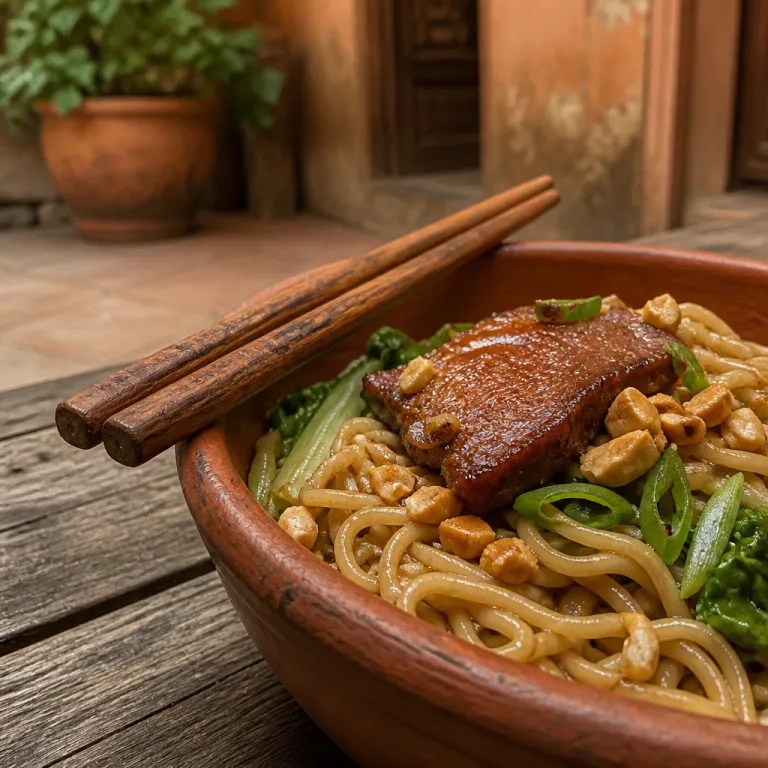
Paramaribo Chinese food family evenings along the noodle circuit
Paramaribo Chinese food family rituals begin quietly at sundown, when the heat softens and the river breeze finally moves. As the light fades over Paramaribo, Suriname, Chinese-Surinamese families drift toward their favorite noodle vendors along streets like Jodenbreestraat, Zwartenhovenbrugstraat and the lanes around the Central Market, turning an ordinary stretch of road into a relaxed open air dining room where people linger for a long time. For visiting families staying in luxury hotels or premium guesthouses, joining this flow is one of the top things to do if you want to eat like locals rather than just read a list on Google.
The heart of this circuit runs through central Paramaribo, especially around the historic streets that once linked the port to the oriental market and the old commercial wharves near Waterkant. Here, Chinese-Surinamese cooks serve food that feels both traditional Chinese and unmistakably Surinamese food, with soy sauce, local greens and fiery peppers sharing the same wok. This is not a single place or one famous Chinese restaurant, but a living list Chinese families carry in their heads, moving between several restaurants such as Chi Min on Domineestraat (often open roughly 11:00–22:00), Joosje near the Central Market (popular from late afternoon into the evening) and New City Garden on Zwartenhovenbrugstraat (usually busy from 18:00 onward), choosing according to mood, weather and which dishes the children want to enjoy.
For luxury travelers, this noodle circuit pairs beautifully with a stay in a river facing property or a restored wooden mansion in Paramaribo, Suriname. You might spend the day by the pool or on a guided city walk, then step out around 18:00 when dinner service starts and the best Chinese cuisine aromas begin to rise from the woks. Hotel reception staff who know the area well can sketch a short walking route between three or four Chinese restaurants, making ideal use of that early evening window when portions are generous, the food is freshly fried and the atmosphere stays nice and unhurried for families.
From Hakka roots to Chinese-Surinamese bakmi for families
The story behind every plate of bakmi on the Paramaribo noodle circuit begins with Hakka and Cantonese migrants who arrived in Suriname generations ago, first as contract workers in the late nineteenth century and later as small traders. Central Bureau of Statistics Suriname tables on historical immigration and Tourism Authority Suriname background notes on Chinese communities both describe this movement of people, which continued into the twentieth century as shopkeepers and restaurateurs settled in Paramaribo. Over a long time, these Chinese communities blended their traditional Chinese noodle skills with Javanese, Creole and Hindustani influences, creating Chinese-Surinamese dishes that feel different from both mainland Chinese food and Indonesian cuisine. One local explanation captures it clearly: “Chinese-style wheat noodles popular in Indonesia and Suriname, adapted with our own peppers and herbs,” as a vendor near the Central Market puts it while stirring a wok of steaming bakmi.
That simple description of bakmi hides a remarkable evolution of Chinese dishes into something distinctly Surinamese food, especially in Paramaribo where cultures meet on every corner. Soy sauce still anchors the flavor, but cooks add local celery leaves, Madame Jeanette chilies and sometimes even a hint of sweet sour tamarind, ingredients also noted in Ministry of Agriculture, Animal Husbandry and Fisheries Suriname market reports and in Ministry of Regional Development and Sport Suriname community food surveys, making ideal combinations that children often find surprisingly approachable. For a Paramaribo Chinese food family evening, bakmi becomes the shared language at the table, with parents ordering extra plates of fried noodles or chow mein while kids negotiate who gets the last piece of chicken.
This Chinese-Surinamese noodle trail also complements other food circuits in the city, such as the Hindustani roti lunch spots where business travelers actually eat, mapped in the dedicated Hindustani roti shortlist. Families can plan one evening around Chinese cuisine, another around Javanese warung in Blauwgrond, and a third around roti, turning a short stay into a layered Suriname travel experience. When you move between these restaurants, you see how Chinese Suriname communities share streets and markets with Javanese and Hindustani vendors, proving that the best food stories here are written by people who cook side by side rather than by any single restaurant.
The noodle circuit: where to sit, slurp and stay nearby
Think of the Paramaribo noodle circuit as a gentle evening walk stitched together by steam, neon and the clatter of woks. You might start near the old commercial spine where several Chinese restaurants cluster along Domineestraat and the blocks behind Waterkant, each with its own take on fried rice, fried noodles and sweet sour sauces that lean more Surinamese than traditional Chinese. Families can move from a casual street side place for a quick plate of chow mein to a more formal Chinese restaurant where the lighting is softer and the air conditioning makes a nice break from the river humidity.
Most luxury and premium hotels in Paramaribo, Suriname sit within a short taxi ride of this area, which keeps logistics simple when you travel with children. A front desk used to serving international people can call ahead to check which restaurants have high chairs, quieter corners or a wider variety Chinese menu that includes milder Chinese dishes for younger palates. Because dinner from 18:00 to about 20:30 is the prime family window and many kitchens close around 22:00, you avoid the later crowds and still enjoy the best food, with freshly fried plates arriving quickly and staff having more time to explain the cuisine and suggest local favorites.
For families who like structure, it helps to sketch a personal list Chinese noodle stops before you leave your hotel, rather than relying only on Google reviews. Start with a simple Chinese-Surinamese bakmi stall where you can watch the cook toss noodles in soy sauce, then move to a sit down restaurant for larger dishes and shared plates. When you return to your hotel, you can still order a light dessert from room service or pick up fruit from a nearby shop, making ideal use of both the city’s Chinese food scene and the comforts of a premium property in one seamless evening.
What to order: child friendly Chinese dishes that still feel local
Ordering well is what turns a Paramaribo Chinese food family outing into a memory rather than just another meal. Regulars rarely stop at one plate of fried rice or fried noodles; they build the table slowly with Chinese dishes that balance texture, color and heat so everyone can enjoy something. Tourists often default to the safest looking Chinese food on the menu, but families who ask staff for guidance usually end up tasting the best combinations and hearing short stories about how recipes traveled from Guangdong or Hakka villages to Suriname.
For younger children, start with plain or egg fried rice, lightly seasoned chow mein and simple chicken skewers brushed with soy sauce, all of which feel familiar yet still rooted in Chinese cuisine. Parents can then add bolder plates like sweet sour pork with local pineapple, or Chinese-Surinamese bakmi loaded with greens, while keeping a side of milder noodles in case the flavors feel too strong. Suriname Chinese cooks understand that people arrive with different spice tolerances, so they often suggest a variety Chinese options that allow you to adjust heat with table sauces rather than in the wok.
Vegetarian travelers will find that many restaurants can adapt traditional Chinese recipes by swapping meat for tofu or extra vegetables, especially in stir fried dishes. Ask specifically for less oil and less salt if you prefer a lighter style, and mention that you are traveling with children so the kitchen can avoid overly spicy sauces. Over a long time, these Chinese restaurants have learned to serve both local regulars and visiting families, making ideal adjustments without losing the delicious Chinese-Surinamese character that makes this noodle circuit such a distinctive place to eat in Suriname.
Planning your luxury stay around the Paramaribo noodle ritual
For premium families, the real luxury in Paramaribo is not only the room category but how well your hotel connects you to the city’s food rituals. A smart way to plan is to choose a property within a short drive of the noodle circuit, then use a curated guide such as this overview of luxury and premium hotel booking in Suriname to match your travel style with the right address. When your base is well chosen, a Paramaribo Chinese food family evening becomes as effortless as stepping out of the lobby and into the glow of a nearby Chinese restaurant.
Because the noodle circuit really comes alive from sundown into the evening, families can spend the day on river excursions or heritage walks, then return to freshen up before heading out to eat. Many hotels will gladly arrange a taxi that waits while you move between two or three restaurants, or they can point you toward a nearby oriental market where you can pick up snacks before dinner. This flexibility is one of the top things that makes Paramaribo, Suriname appealing for families who want both comfort and authentic food experiences in the same trip.
When you look back on your stay, it is often these Chinese-Surinamese dinners that stand out more than any formal tasting menu. You remember the hiss of fried noodles hitting the wok, the way soy sauce and local herbs scented the air, and the quiet pride of Suriname Chinese cooks who have been perfecting their craft for a long time, a story also reflected in Central Bureau of Statistics Suriname migration tables and Tourism Authority Suriname interviews with long established restaurant owners. For many people, that mix of delicious food, relaxed family time and cultural layering is what turns a simple list of restaurants into a personal map of Paramaribo, making ideal use of every evening you spend in this layered city.
FAQ
What is bakmi in the context of Paramaribo’s noodle circuit ?
Bakmi in Paramaribo refers to Chinese-style wheat noodles prepared by Chinese-Surinamese cooks who blend traditional Chinese techniques with local Surinamese food influences. On the noodle circuit, bakmi is usually stir fried with soy sauce, vegetables and a choice of meat, creating a dish that feels both familiar and distinctly local. Families often order several versions of these noodles so people of different ages can enjoy milder or spicier plates at the same table.
Where can families find bakmi in Paramaribo ?
Families can find bakmi at various noodle vendors and Chinese restaurants along the central Paramaribo noodle circuit, especially near older commercial streets and markets such as the Central Market and the blocks off Waterkant. Many of these places are within a short taxi ride of major hotels, making them easy to include in an evening plan. Because the circuit is informal, it helps to ask hotel staff or local people for their current list Chinese favorites rather than relying only on online maps.
What time does the noodle circuit usually start for dinner ?
The noodle circuit typically starts around sundown, when vendors begin preparing fried rice, fried noodles and other Chinese dishes for the evening crowd. For a Paramaribo Chinese food family outing, the most comfortable window is usually between 18:00 and 20:30, before the later night rush and before many kitchens close around 22:00. This timing lets families enjoy delicious food in a calmer atmosphere while still experiencing the energy of local people gathering to eat.
Is Chinese-Surinamese cuisine very spicy for children ?
Chinese-Surinamese cuisine can be spicy, but most restaurants are used to serving families and can easily adjust the heat level. When you order, ask for milder versions of dishes and request that the hottest sauces be served on the side, so each person can season to taste. Many child friendly options such as plain fried rice, simple chow mein and lightly seasoned stir fried vegetables allow younger diners to enjoy the cuisine without discomfort.
How does the noodle circuit fit into a wider Paramaribo food itinerary ?
The noodle circuit is one strand in a broader Paramaribo food map that also includes Javanese warung in Blauwgrond and Hindustani roti routes popular with business travelers. Families can plan one evening around Chinese cuisine, another around roti and a third around Javanese dishes, creating a balanced view of Suriname’s layered culinary scene. This approach turns a short stay into a richer travel experience, with each night focused on a different community and its signature food traditions.
Sources
Central Bureau of Statistics Suriname (historical migration tables and population reports); Ministry of Regional Development and Sport Suriname (community food and cultural heritage publications); Ministry of Agriculture, Animal Husbandry and Fisheries Suriname (market bulletins on local produce and herbs); Tourism Authority Suriname (background notes on Chinese-Surinamese communities and interviews with restaurant owners).