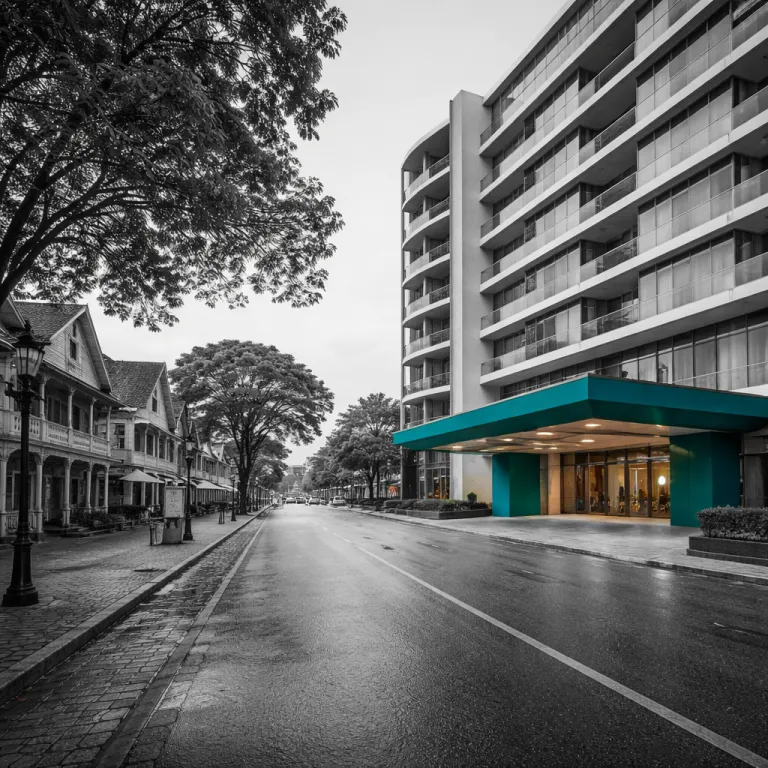
Paramaribo UNESCO heritage hotels and the real luxury map
Paramaribo, Suriname is one of the few capitals in South America where the most characterful hotels sit inside a UNESCO World Heritage inner city. In the compact Paramaribo city center, wooden façades lean over narrow streets, and several of these historic structures now operate as intimate boutique hotel addresses that quietly outclass larger properties in narrative and sense of place. For business leisure travelers extending a stay in Suriname, this is where the conversation about where to stay in Paramaribo Suriname should begin, not in the generic high rise strip.
The UNESCO listing covers the historic center as a city UNESCO World Heritage Site, with Dutch colonial architecture in timber rather than stone, often described as an Amsterdam in the tropics. UNESCO data counts around 250 protected wooden structures, and while not all are hotels, they frame the context for every heritage hotel and pension trading on this streetscape. When you book hotels in Paramaribo Suriname, you are not just choosing a hotel or resort; you are choosing whether your stay participates in that heritage site or watches it from a taxi window.
Paramaribo Suriname is reached via Johan Adolf Pengel International Airport, often shortened locally to Pengel International, about 45 km from the city center. The drive from the international airport into the city takes around an hour, and the shift from forested highway to layered colonial architecture is abrupt and cinematic. For travelers used to South America’s stone plazas, the first time you check into one of the UNESCO wooden hotels built in wood rather than brick feels like stepping into a parallel version of the continent.
Within the UNESCO heritage zone, the most atmospheric addresses are not large hotels resorts but compact properties carved out of historic houses. These heritage hotels in the city center typically offer fewer rooms than a modern resort, yet they sit within walking distance of the riverfront, the Presidential Palace and Fort Zeelandia, the seventeenth century stronghold that anchors the historic river bend. When you read reviews of hotels Paramaribo wide, pay attention to whether the property is inside this core or across the Suriname River or in the suburban districts, because that single detail changes how you will experience the city.
Paramaribo hotel marketing often pushes pool size and conference space, but for executive travelers with limited time, proximity to the UNESCO heritage streets is the more valuable luxury. A short stay of two or three nights in Suriname Paramaribo can feel thin if you spend half your time in taxis between a resort and the historic center. Choosing a heritage hotel in the UNESCO core means that early morning walks, late night riverfront drinks and spontaneous detours into wooden churches or synagogues become part of your daily rhythm rather than scheduled excursions.
There is a persistent narrative in South America that serious luxury only starts once a global soft brand arrives in a city. In Paramaribo city, the signed Tapestry Collection by Hilton in Welgelegen is already being positioned in regional travel copy as the new top address, even before most travelers have compared it against the existing heritage inventory. That framing undersells the UNESCO wooden hotels, because no amount of design language can replicate the patina of a century old staircase or the way a creaking gallery frames the Suriname River at dusk.
UNESCO wooden hotels: strengths, limits and honest positioning
UNESCO wooden hotels in Paramaribo’s inner city are defined as historic wooden structures in Paramaribo's UNESCO-listed center. Many of these buildings were erected in the seventeenth and eighteenth centuries, then adapted over time into hotels, guesthouses and small pensions that now anchor the heritage hotel offer in the city center. They sit within the official UNESCO heritage site boundaries, which means every renovation, every extra bathroom and every air conditioning unit must negotiate with preservation rules and fragile timber.
This heritage context is both the main strength and the main constraint of these hotels. On the strength side, you are sleeping inside the story of Suriname, with colonial architecture that blends Dutch gables, Caribbean verandas and local building techniques adapted to a humid South America climate. On the constraint side, rooms can be compact, soundproofing imperfect and amenities more limited than in a purpose built resort, which is why reviews sometimes oscillate between rapture about atmosphere and frustration about hardware.
For business leisure travelers, the key is to align expectations with the specific property rather than with an abstract idea of heritage. Some hotels in the city center operate as full service hotels with a restaurant, small meeting room and concierge style service, while others are closer to upscale pensions with breakfast only and a more informal équipe. When you check options for hotels Paramaribo wide, filter not just by star rating but by building age, room size and whether the hotel is actually inside the UNESCO heritage site or just near it.
Location within Paramaribo city matters at a granular level. A heritage hotel one block from Fort Zeelandia offers a different daily rhythm than a similar hotel ten minutes deeper into the grid of streets, even though both are technically in the city center. Being able to walk from your hotel to the Suriname River embankment in under five minutes, then continue to the wooden cathedral and the mosque synagogue ensemble, is what turns a short stay into a layered cultural experience rather than a checklist of sites.
Service standards in these heritage hotels can be uneven, and that is where honest reviews become more valuable than glossy photography. Some properties have invested in training, multilingual front desk staff and reliable Wi Fi, while others still operate with a family style approach that may not suit an executive who needs guaranteed early check in and late check out. When you read reviews of hotels resorts in Suriname Paramaribo, look for comments about response time to issues, air conditioning maintenance and noise, because these are the pressure points in older wooden structures.
Despite these limitations, the heritage inventory carries credentials that no soft brand can manufacture. The creak of original floorboards, the view over a city UNESCO skyline of wooden spires and the ability to step out into streets that have changed little in outline since the Dutch period are intangible luxuries. For many travelers who have stayed in interchangeable city hotels across South America, this is precisely why the UNESCO heritage hotels segment deserves a higher place on the regional luxury map than it currently receives.
Tapestry Collection arrivals and the Welgelegen counterpoint
The signed Sozo Paramaribo, part of the Tapestry Collection by Hilton, represents a different proposition in the Paramaribo hotel landscape. Located in the Welgelegen district rather than the UNESCO listed city center, it offers modern construction, standardized room sizes and the kind of amenities global travelers expect from an international brand. In the comparison between historic city center hotels and this Tapestry Collection arrival, the question is not which is objectively better, but which is better for a specific type of stay.
For executives flying into Johan Adolf Pengel International Airport on tight schedules, the predictability of a Tapestry Collection room can be compelling. You know the mattress will meet brand standards, the desk will be functional and the Wi Fi will be engineered for video calls, which is not always guaranteed in older wooden hotels. If your time in Paramaribo Suriname is dominated by meetings in modern offices outside the historic center, staying in Welgelegen may actually reduce transfer times and friction.
However, the Welgelegen location also means you are removed from the UNESCO heritage site that defines Paramaribo city in the eyes of UNESCO and many travelers. A taxi or rideshare becomes necessary for almost every interaction with the historic center, from dinners near Fort Zeelandia to early morning walks along the Suriname River. Over a three night stay, that separation can subtly shift your perception of the city from layered and walkable to fragmented and car dependent.
From a luxury mapping perspective, the Tapestry Collection arrival should be read as a complement to, not a replacement for, the heritage inventory. It excels at short, work heavy trips where the hotel itself is primarily a controlled environment for rest and productivity, and the city is a backdrop glimpsed between appointments. The UNESCO wooden hotels, by contrast, excel when the hotel is part of the cultural program, when you want the line between accommodation and heritage site to blur.
There is also a pricing and value nuance that many regional rankings gloss over. Because heritage hotels in the city center do not typically pay for prominent placements in international booking platforms, they often appear lower in top lists than their narrative weight warrants. The Tapestry Collection, backed by a global marketing machine, will inevitably dominate sponsored slots for hotels Paramaribo wide, which can mislead travelers into assuming it is automatically the top choice for every type of travel.
For travelers combining Paramaribo with interior Suriname, such as a river stay at Palumeu or another jungle lodge, the calculus shifts again. After days in the rainforest, some guests crave the polished predictability of a modern resort style hotel, while others want to extend the sense of place by staying in a wooden heritage hotel that echoes the timber architecture of the interior. In that context, the UNESCO heritage hotels can act as a cultural bridge between the Suriname River’s upstream villages and the colonial riverfront of the capital.
How to choose: business leisure strategies and the 2027 luxury map
For business leisure travelers, the most effective strategy is to treat Paramaribo as two overlapping cities rather than one. There is the UNESCO listed inner city, where heritage hotels and pensions cluster around the riverfront, and there is the modern belt of Welgelegen and other districts, where the Tapestry Collection and similar properties sit. Deciding where to stay should start with a clear assessment of how much time you want to spend in each version of the city.
If your schedule is meeting heavy but you still want a meaningful connection to Suriname’s history, consider a split stay. Begin with one or two nights in a UNESCO heritage hotel in the city center, within walking distance of Fort Zeelandia and the main wooden churches, then move to a modern hotel or resort in Welgelegen for the work intensive days. This approach lets you experience both the heritage site and the contemporary city without sacrificing sleep quality before critical meetings.
When reading reviews of hotels resorts in Paramaribo Suriname, pay attention to the details that matter for your specific trip. For heritage hotels, look for comments about air conditioning performance, water pressure and noise from the street or internal corridors, because these are the trade offs of colonial architecture. For modern hotels like the Tapestry Collection, focus on service responsiveness, food quality and transport links to both the city UNESCO core and the international airport.
Travelers extending their stay into the interior should also think about narrative continuity. A night in a wooden heritage hotel before flying upriver to a remote lodge, such as the Palumeu jungle stay described on mysurinamestay.com, creates a through line from colonial riverfront to indigenous territory. Returning to Paramaribo city after the jungle, some guests prefer to check back into the same heritage hotel, while others opt for a resort style property to reset before the long haul flight from Johan Adolf Pengel International Airport.
Looking ahead, the 2027 luxury map of Paramaribo should give the UNESCO wooden hotels a more prominent place than current rankings suggest. Heritage inventory will never compete with a Tapestry Collection resort on pool size or conference capacity, but it does not need to; its competitive edge lies in authenticity, walkability and the ability to turn a short stay into a textured cultural experience. For travelers who have already stayed in every major South America capital, that is precisely the kind of differentiated value that justifies another trip.
As interest in heritage tourism and sustainable travel grows, the balance between historic city center hotels and modern arrivals will likely shift. Travelers will increasingly check whether their hotel choice supports preservation of the wooden city center or pulls demand away to generic corridors. The most sophisticated itineraries will weave both worlds together, using the heritage site as the anchor and the modern hotels as functional satellites rather than the other way around.
Key figures on Paramaribo’s heritage and hotel landscape
- UNESCO records around 250 historic wooden structures in Paramaribo’s inner city, a concentration that makes the capital one of the most distinctive wooden urban ensembles in South America (UNESCO World Heritage Centre).
- The historic inner city of Paramaribo has been inscribed as a UNESCO World Heritage Site for over two decades, a status that underpins the positioning of heritage hotels in the Paramaribo city center within the global heritage tourism market (UNESCO and Encyclopaedia Britannica).
- Johan Adolf Pengel International Airport, located about 45 km from the city center, handles the majority of international arrivals to Suriname, which means almost every luxury traveler to the country must decide between staying in the UNESCO core or in modern districts like Welgelegen (Suriname tourism authorities).