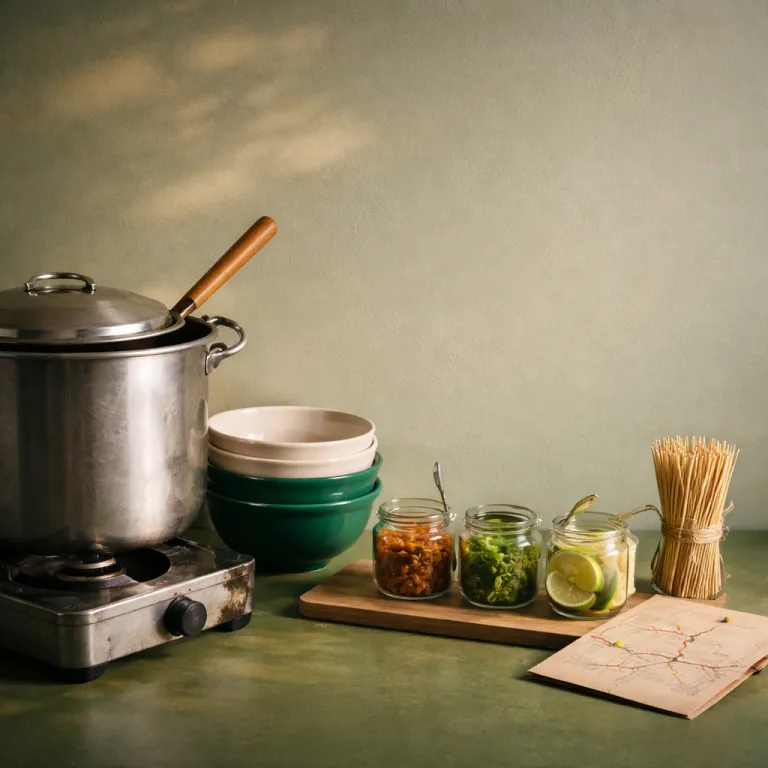
Paramaribo street food solo from a riverfront base
Paramaribo street food solo from a riverfront base
Paramaribo street food solo travel works best when you anchor yourself in the capital city near the Suriname River. From a room at Royal Torarica, Torarica Resort or another riverfront hotel, you can step straight into the open air rhythm of Paramaribo and still return to a calm pool deck and a cold beer. This balance between refined hotels and the best Surinamese food stalls turns a short stay into one of the top things any solo traveler can plan in Suriname.
The capital sits where the Suriname River bends toward the Atlantic, and that river geography quietly shapes how you eat and move. Many of the most interesting things Paramaribo offers at night cluster between Independence Square, the Dutch colonial wooden streets of the UNESCO heritage core and the waterfront where locals linger after a long day. Walking this compact area lets you find street food, a market snack, or a late soup without ever feeling far from your room key at a riverfront hotel such as Royal Torarica or another premium address in central Paramaribo.
Paramaribo best experiences for solo travelers start early, not only after dark, because food here follows the day from breakfast saoto soup to midnight chicken skewers. Local tourism offices and city guides describe dozens of licensed street vendors in the historic center, and an average street food meal often costs around five United States dollars, which means you can sample several things without sacrificing your hotel budget. Carry cash, move slowly between stalls and you will quickly understand why food is one of the top things that keeps people returning to Suriname from across South America.

Sarinah as your first night anchor in the city
Your first evening in Paramaribo should start at Sarinah, the long standing house of Javanese food on Dr. Sophie Redmondstraat 152 that locals treat almost like an institution. For a solo traveler based at Royal Torarica or another riverside hotel, Sarinah sits close enough to reach in about ten minutes by taxi, which keeps logistics simple after a long flight into Suriname. Think of it as a gentle landing before you dive deeper into the open air stalls and late night corners that define Paramaribo street food solo culture.
Order saoto soup as your first bowl, because this Javanese chicken soup is what many locals eat for breakfast and late night comfort. The broth comes clear and fragrant, with shredded chicken, vermicelli, bean sprouts and a side plate of egg, fried potato sticks and herbs that you add yourself over time. When you taste this soup in a calm dining room before trying it at a street stall, you build a reference point that helps you judge the best versions later in the Paramaribo maze.
After the saoto soup, move to a plate of Javanese food such as bami or nasi with grilled chicken, satay skewers and a spoon of fiery sambal that pairs well with a cold beer. Sarinah’s menu shows how Surinamese cooks have adapted Indonesian flavors to local produce, and this fusion tells a quiet story about Dutch colonial history and migration across South America. By the time you ride or walk back toward the Suriname River, you will already have a mental map of spices and textures that makes the next street corner far less intimidating.
Getting there: From the riverfront hotel zone on Kleine Waterstraat, follow Dr. Sophie Redmondstraat south by taxi; most drivers know Sarinah by name and the ride usually takes 8–12 minutes in light traffic.
The saoto soup map and morning markets
The real test of your Paramaribo street food solo commitment comes the next morning, when you leave the hotel breakfast room and go hunting for saoto soup among the locals. In the early hours, streets around the Centrale Markt on Waterkant and the blocks behind Independence Square fill with workers grabbing a quick bowl before the day properly starts. This is where you compare three or more vendors, each with their own take on broth depth, chicken texture and how generously they season the soup.
Start near the central market, the main market hall where you can find fresh Surinamese produce, river fish and ready to eat food under one roof. One stall might serve a lighter saoto soup with delicate chicken and more herbs, while another around the corner in the open air leans into a darker broth and extra fried onions that cling to the surface over time. Ask for a small portion at each place, and you will still spend less than a single hotel breakfast while tasting some of the best things Paramaribo offers in the morning.
From there, walk toward the Suriname River and follow side streets where you see plastic chairs and steam rising from big metal pots. Many of these vendors also sell other Javanese food, such as lumpia or fried snacks, which pair well with a mid morning coffee or juice when the city heat builds. “What are popular street foods in Paramaribo? Bara, baka bana, saoto soup, pom broodje.” — this local list captures how varied the flavors can be even within a few blocks of the capital city waterfront.
Roti corners, BBQ curbs and Chinese Surinamese blocks
By midday, your Paramaribo street food solo route should shift toward Hindustani roti and the Chinese Surinamese hybrid kitchens that keep the city fed. Skip the most obvious roti chains and instead ask hotel staff where they personally go for a roti house that feels more local, then take a taxi there for lunch; most central rides cost only a few United States dollars. You want a place where office workers queue, where the chicken curry is ladled from big metal pots and where you can sit alone at a shared table without feeling watched.
Order roti with chicken or vegetarian fillings, and do not be shy about using your hands, because this is how Surinamese people eat this dish most of the time. In the afternoon, explore a block where Chinese Surinamese restaurants sit beside small groceries and snack counters, often close to the central market or in residential streets of Paramaribo. Here you might find chow mein with local vegetables, fried rice with a distinctly Surinamese seasoning profile and side dishes that blend Chinese technique with Javanese food influences from across South America.
After dark, follow the smoke to the BBQ corners that appear on pavements and at the edges of parking lots in the city grid. Pull up a plastic chair, order grilled chicken, ribs or sausages and ask for cassava or bread on the side, then pay in cash when your plate arrives rather than at the end. These open air BBQ spots are among the top things Paramaribo offers for solo travelers who want to sit with a cold beer, feel the Suriname River breeze move through the trees and be part of the local night without any performance.

Walking the UNESCO core, rivers and returning to your hotel
Late afternoon is the right time to walk the Dutch colonial streets of the UNESCO heritage center, when the light softens and the heat eases. From Independence Square you can trace a loop past wooden churches, government buildings and old merchant houses, many of which hint at the layered history that brought Javanese, Hindustani and Chinese communities to Suriname. This walk connects the cultural hotspots you see by day with the food you eat at night, turning things Paramaribo offers into a coherent story rather than isolated meals.
Some luxury travelers pair this urban loop with a day trip along the Commewijne Rivers, where former plantations line the banks of the Suriname–Commewijne region and small villages still depend on the water. While these excursions focus more on history and landscape than on food, they deepen your sense of how the Suriname River system shaped trade, migration and the ingredients that now appear in your saoto soup or roti. Planning one river day and two city nights gives solo travelers a balanced view of Suriname that goes beyond the capital city yet keeps Royal Torarica or another refined property as a comfortable base.
For curated hotel ideas that match this style of travel, from riverfront grande dames to intimate eco focused addresses, explore this guide to Suriname tourism for refined travelers seeking luxury and premium stays at MySurinameStay. After an evening of Paramaribo street food solo exploration, there is real pleasure in returning to a quiet lobby, a well mixed drink and a room that looks back toward the Suriname River lights. As you plan your own list of top things to eat and see, remember that “Is street food in Paramaribo safe to eat? Generally safe; choose vendors with good hygiene practices.” and “Are there vegetarian street food options? Yes, many vendors offer vegetarian dishes.” — both answers underline how accessible this scene is for careful, curious visitors.
FAQ
Is Paramaribo street food solo travel safe at night for first timers ?
Central Paramaribo is generally manageable for solo travelers who stay near the Suriname River and the main hotel zone. Stick to well lit streets between Independence Square, the waterfront and your hotel, and avoid very quiet side alleys late at night. Carry small amounts of cash, keep valuables discreet and use licensed taxis if you feel unsure about walking back after a late soup or BBQ.
How much should I budget per day for street food in the city ?
Local surveys and traveler reports indicate that an average street food meal in Paramaribo often costs around five United States dollars, which makes it easy to sample several dishes in one day. If you plan for three to four small meals or snacks, a budget of twenty to twenty five dollars per day will comfortably cover food. This leaves your main travel funds available for premium hotels, river excursions and cultural visits.
Where can I find the best saoto soup near the central market area ?
The streets around the central market and the blocks behind Independence Square host several respected saoto soup vendors that open early. Look for stalls with steady local traffic, visible steam and clean work surfaces, then order a small bowl to compare flavors. Many travelers try two or three places in one morning to build their own personal map of the best soup in the city.
Can vegetarians enjoy Paramaribo street food solo without difficulty ?
Many Paramaribo vendors offer vegetarian options such as bara, fried plantain, vegetable roti and Chinese Surinamese stir fries without meat. When ordering, clearly state that you prefer no chicken, fish or meat, and ask whether the soup or sauce uses animal stock. In most central areas, you will be able to assemble satisfying vegetarian meals across several stalls in the course of a day.
How do luxury hotel guests usually combine river trips with street food plans ?
Guests at properties like Royal Torarica often schedule river excursions along the Suriname River or toward the Commewijne Rivers during the day, then focus on street food in the evening. A typical pattern is hotel breakfast, a river or heritage tour, a rest by the pool and then a walk or short taxi ride to Sarinah, the central market area or a BBQ corner. This rhythm keeps logistics simple while still exposing you to the cultural hotspots and food traditions that define Paramaribo.