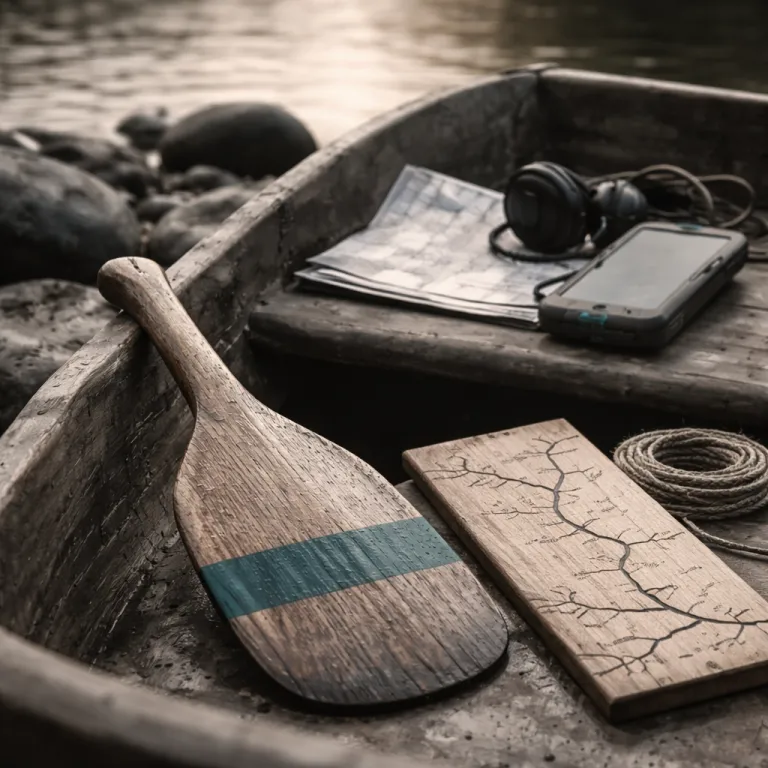
Suriname Maroon river guide luxury: why altitude starts at water level
Helicopter operators in Suriname now market rainforest flyovers as the new pinnacle of luxury travel. On a marketing deck, the argument sounds persuasive: a helicopter cruise over the Central Suriname Nature Reserve promises reach, speed and Instagram-ready panoramas in a single day. Yet for travellers seeking a genuinely high-end Suriname Maroon river experience, altitude measured in metres above the water quietly erases the very detail that makes this forest one of the most layered in South America.
The Central Suriname Nature Reserve covers roughly 1.6 million hectares, with the headwaters of the Coppename and other rivers feeding a mosaic of rapids, creeks and sandbanks that only reveal themselves from a boat. Conservation sources such as UNESCO’s World Heritage listing and Suriname’s national park management plans consistently cite this scale and emphasise that most access is river-based rather than road-based. When you fly high, the rainforest becomes a single green surface; when you travel by river cruise or private boat trip with a Maroon guide, each bend in the Suriname River or Upper Suriname corridor becomes a chapter in a living atlas of memory, story and risk management. Luxury here is not the helicopter seat but the human who can read the river in real time and turn a routine transfer into an adventure tour that still feels safe, curated and deeply contextual.
Helicopter companies sell the idea that you can compress days of jungle tours into a single flight, and for some trips that efficiency matters. Time-poor business travellers combining a Paramaribo city tour with a short rainforest detour may genuinely benefit from a quick overflight before returning to a waterfront resort for lunch, dinner and meetings. But when you are planning a multi-day itinerary with a Maroon river specialist for two or three days in the Amazon rainforest fringe, the guide who knows which rock appears at which water level, and which village prefers visitors in the afternoon rather than the morning, is delivering a form of precision that no aerial tour can match.
On mysurinamestay.com we see this in guest feedback from couples who book Danpaati River Lodge or Knini Paati River Resort as their primary river lodge base. They rarely remember the exact duration of the boat transfer, but they remember the guide who pointed out a submerged tree that only appears on certain days, or who timed a stop so that breakfast or lunch on a sandbank coincided with macaws crossing the Suriname River. One couple wrote, “We thought the transfer would be the boring part. Instead, our guide turned it into the highlight of the trip.” For these travellers, premium Suriname river guiding means a private experience of the waterway itself, not a generic helicopter adventure that could be anywhere in South America or even over the Amazon in another country.
From helicopter pitch to river memory: what luxury travelers really buy
Helicopter operators in Suriname make a fair case when they argue that altitude offers safety, speed and a wide-angle view of the Amazon rainforest canopy. For travellers nervous about river rapids or tight jungle tours in small boats, a helicopter cruise can feel like a controlled, premium adventure tour with clear terms and conditions and predictable timing. Yet when you unpack what couples actually remember from an upscale Maroon-guided river journey, it is rarely the aerial shot; it is almost always the river-level encounter.
Take the Danpaati River Lodge transfer along the Upper Suriname corridor, where the boat glides past Maroon villages that have navigated these waters for generations. A helicopter can show you the same rainforest in a single day, but it cannot replicate the moment when your Maroon river guide cuts the engine, lets the boat drift and quietly explains how his grandfather mapped each rapid by memory during night trips. That is the point where luxury travel in Suriname stops being about hardware and becomes about human expertise, and it is why tours that centre the guide rather than the aircraft feel more aligned with the cultural depth of this part of South America.
Knini Paati River Resort operates on a similar logic, building its river lodge identity around guides who grew up along the Suriname River and know exactly when to schedule jungle tours so that nature lovers avoid the midday heat. A helicopter can hop between Paramaribo, French Guiana and the Amazon fringe in a few days, but it cannot tell you which bend in the river is best for a late afternoon swim or where to pause for lunch or dinner so that you hear village drums carry across the water. For couples booking through a luxury and premium hotel platform, the real value of a Maroon-led river itinerary lies in this choreography of time, tide and story, not in shaving an hour off the transfer.
Even in Paramaribo, where the temptation is to treat the city as a simple staging point before or after river trips, the most memorable experiences are guided and ground level. A well-designed city tour that threads wooden colonial streets with a Javanese food walk, such as the route outlined in this Blauwgrond warung crawl guide, does for urban Suriname what the Maroon guide does for the river. It turns a generic day of travel into a layered narrative, and it reminds you that high-end Suriname river guiding is part of a wider culture of hosted, human-scale experiences rather than a single product or tour.
How river guides keep Suriname’s new luxury wave honest
Suriname is entering a new phase of hospitality, with international brands circling Paramaribo and investors eyeing the rainforest as the next frontier for high-end resorts. The signing of Hilton’s Tapestry Collection property, analysed in depth in this piece on what the new Paramaribo opening means for luxury bookings, signals that global America-based chains now see this small South America nation as a serious luxury travel market. Industry announcements and hotel development reports describe the project as a mid-scale upscale opening that will anchor more premium city stays. Yet the long-term credibility of that market will depend less on marble lobbies and more on whether Maroon river guiding remains anchored in local expertise rather than outsourced spectacle.
Properties like Danpaati River Lodge and Knini Paati River Resort are already operating as test cases, building their entire value proposition around river lodge stays that include guided boat trips, cultural workshops and carefully timed jungle tours. Their partnerships with local Maroon communities ensure that each adventure tour or river cruise is not just a generic product but a negotiated experience, where terms and conditions are shaped by village expectations as much as by tour operator logistics. When a couple books three days at a nature resort in the Upper Suriname region, they are effectively buying into a network of guides, boat captains and hosts whose livelihoods depend on keeping the river healthy and the cultural exchange respectful.
This is where helicopter-led itineraries risk flattening the model, even when marketed as sustainable rainforest experiences. A helicopter can drop guests into a remote resort for a single night, serve an elegant breakfast or lunch on a deck overlooking the Amazon rainforest fringe and then whisk them back to Paramaribo for a final city tour before departure. What it cannot easily do is sustain the slow, relational work that Maroon and Indigenous guides perform on multi-day trips, where repeated boat travel along the Suriname River builds trust, context and a sense of shared responsibility for the landscape.
For discerning couples using mysurinamestay.com to compare properties, one practical test is simple yet revealing. Look at whether a lodge or resort names its guides, explains how jungle tours are scheduled and clarifies the role of local communities in shaping each boat trip or river cruise. If the brochure talks at length about helicopter transfers but barely mentions who will be at the helm of your boat on the Danpaati River or which Maroon guide will lead your night walk, then the promise of river-based luxury is probably more marketing than lived experience.
Where the river guide is the experience: lodges and routes that matter
Some properties in Suriname already understand that the Maroon river guide is not an add-on but the core of the product. Danpaati River Lodge, reached by a long boat journey along the Upper Suriname corridor, structures its days around guided river travel, village visits and rainforest walks that are all led by local experts. Guests often describe their stay less in terms of room categories and more as a sequence of shared trips, from a dawn boat ride to spot wildlife to an evening river cruise under a sky so dark that the Amazon rainforest feels infinite.
Knini Paati River Resort offers a slightly different rhythm, with a stronger focus on comfort and amenities while still centring the river guide as the main storyteller. Couples can spend a day alternating between poolside relaxation and guided jungle tours, then head out on a late afternoon boat trip to swim in calm stretches of the Suriname River before returning for lunch or dinner under the stars. Over several days, this pattern of movement turns the lodge into a base camp for layered experiences rather than a simple resort, and it is here that the full meaning of Maroon-guided river luxury becomes clear.
Beyond these flagship properties, a handful of smaller nature resort projects along the Suriname River and its tributaries are experimenting with even more guide-led models. Some itineraries combine a Paramaribo city tour, a cross-border hop toward French Guiana and then a return to the interior for focused jungle tours that highlight medicinal plants, river navigation skills and Maroon history. Others design private adventure tour packages where couples can customise their days, choosing between quiet river cruises, more intense boat travel through rapids or relaxed cultural tours in nearby villages, always with the same guide anchoring the narrative.
For travellers who want refined city stays before or after these river lodge experiences, Paramaribo now offers a growing set of premium hotels and guesthouses. This overview of refined city stays in Paramaribo outlines how to pair a comfortable urban base with deeper forays into the rainforest and river systems. The most rewarding itineraries treat expert Maroon river guiding as a thread that runs from waterfront sundowners in the capital to dawn departures on traditional wooden boats, ensuring that every segment of the trip feels connected, intentional and grounded in local expertise.
Key figures for river based luxury in Suriname
- Suriname retains around 93% forest coverage, one of the highest proportions in the world according to national forestry data and conservation reports, which means river-based tours and jungle tours operate within an unusually intact Amazon rainforest landscape. Estimates published by the Food and Agriculture Organization (FAO) and regional environmental assessments consistently place Suriname among the most forested countries globally.
- The Suriname River runs for roughly 480 km from the interior to the Atlantic, creating a long corridor where river lodges, nature resort projects and Maroon communities intersect with luxury travel itineraries. Hydrological surveys and national mapping data describe the river as a central artery for transport, subsistence and tourism.
- High-end river lodge stays typically last three to five days, with a common pattern of day one in Paramaribo, day two boat transfer to a lodge such as Danpaati River Lodge or Knini Paati River Resort, two days of guided activities and a final day return to the city. Booking patterns on mysurinamestay.com and regional tour operator sample itineraries show this as the most frequently requested format for couples.
- Operational management of the Central Suriname Nature Reserve involves STINASU and the Suriname Forest Service, with responsibilities documented in national park management plans, which means any credible adventure tour or river cruise in the area must align with national conservation policies. STINASU (Stichting Natuurbehoud Suriname) is widely cited in government documents as the implementing partner for nature conservation and eco-tourism.
- Suriname’s eco-tourism sector is responding to increased interest in cultural experiences and sustainable travel, with Maroon and Indigenous river guiding documented across Saramaka, Aukan, Trio and Wajana communities and integrated into many luxury travel products. Academic studies on community-based tourism and national tourism board materials highlight these groups as key custodians of river knowledge.
- When asked about timing, local experts consistently state that the best period to visit Suriname for river tours is the dry season, from February to April, and they add that vaccinations and malaria prophylaxis are recommended and that no prior experience is required for river activities. Health guidance from travel clinics and embassy advisories generally supports this seasonal window and these basic precautions.