Bigi Pan birdwatching in Suriname for luxury minded couples
Bigi Pan wetlands sit on Suriname’s west coast, a 68,000 hectare mosaic of mangroves, creeks and open water. This vast protected area is recognised under the Ramsar Convention and managed as a Multiple Use Management Area, where conservation, sustainable fishing and carefully controlled tour operations coexist under the Ministry of Physical Planning, Land Use, and Forest Management and its Nature Conservation Division (Forest Service summaries and Ramsar site data both cite the 68,000 hectare figure). For travellers planning a premium escape, Bigi Pan birdwatching in Suriname pairs wild nature with curated comfort when you choose the right lodge and boat partner.
The wetland lies about 20 kilometres northeast of Nieuw Nickerie, reached first by road from Paramaribo and then by boat along the Nickerie River and the 8 kilometre Jamaer canal. The drive from the capital usually takes five to six hours depending on road conditions, with most tours including a short break in coastal villages along the way. That final stretch by boat is where the shift happens: mangrove roots lace the water surface, herons lift lazily from the banks and your guide starts pointing out the first bird species before you have even checked into your eco lodge. Bigi Pan is also part of the Western Hemisphere Shorebird Reserve Network, so every tour here carries a responsibility to support both birds and local livelihoods.
For luxury minded visitors, the question is not whether you will spot birds, but how you will frame the experience. A private tour boat with padded seats, a quiet engine and a dedicated bird guide transforms a simple transfer into a slow motion safari across open water. When you book tour options through a curated website or specialist operator, you can align your expectations on lodge comfort, alcoholic drinks policy and the level of guiding before you ever see the famous scarlet horizon. Expect to pay a premium for private departures and bilingual guides, and always confirm what is included in the day rate, from non alcoholic drinks to mud bath stops.
Scarlet ibis evenings and the theatre of the water surface
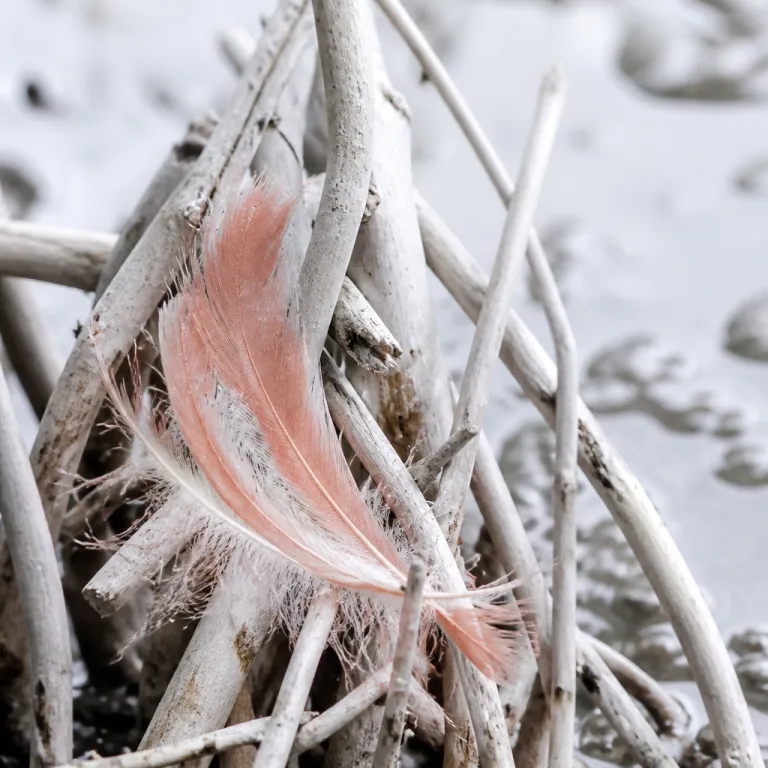
The main reason many travellers plan a Bigi Pan birdwatching Suriname journey is the evening return of the scarlet ibis. As the sun drops over the Atlantic Ocean, flocks of this famous scarlet icon stream back across the sky, their wings turning the horizon a beautiful red as they settle into mangrove roosts. From a low slung boat on still water, the reflection doubles the spectacle, so the entire water surface seems painted in moving colour and the whole pan feels like an open air theatre.
Timing is everything for this theatre of birds and light, and your guide will usually position the boat near key roosting islands about an hour before sunset. That window gives you time to spot birds such as roseate spoonbills, herons and other bird species that feed in the shallows before the scarlet ibis show begins. Many visitors choose a two day stay as a minimum duration for Bigi Pan, because one evening can be cloudy while the next will deliver that perfect combination of clear sky, calm water and a slow build of returning flocks. Between November and February skies are often clearest, while the May to August wet season brings richer water levels and fewer boats on the pan.
Photography focused travellers should plan around golden hour, when the low sun warms both the mangroves and the birds. Boat stability can be a challenge on open water, so a mid range zoom lens and a fast shutter speed will help you freeze the famous scarlet silhouettes as they cross the sky. For those who enjoy quieter wet season travel, roughly from May to August, this is also when the wetlands feel richest; higher water levels can actually enhance both birdwatching and the sense of seclusion, and our guide to the green season in Suriname explains why.
Eco lodge life on the pan: what ‘basic’ really means
Staying overnight on the pan turns a simple birding tour into an immersive wetland retreat. Bigi Pan Eco Lodge and similar overwater properties sit directly above the water surface, with wooden walkways linking simple rooms to a central dining deck where you will share drinks and bird stories with other guests. These eco lodge stays are atmospheric rather than opulent, so luxury here is measured in silence, sunrise views and the proximity of birds rather than in marble bathrooms. Operators sometimes describe Bigi Pan Eco Lodge or Stephanie Lodge as “pan eco” style, signalling that the focus is on nature and location rather than on high end finishes.
Rooms at Bigi Pan Eco Lodge and at Stephanie Lodge style properties usually offer firm beds, mosquito nets, basic private or shared bathrooms and intermittent electricity. Travellers used to five star city hotels should arrive with calibrated expectations; think clean sheets, a fan, and the sound of water under the floorboards rather than air conditioning and a minibar stocked with alcoholic drinks. Most lodges include simple meals and non alcoholic drinks such as coffee, tea and juice, while alcoholic drinks are either limited or must be requested in advance due to the logistics of stocking a remote nature reserve. Before you book tour packages, check whether dietary needs can be met and whether tap water is safe to drink or filtered on site.
What you gain in exchange is direct access to the wetland at every hour of the day and night. You can step from your lodge deck into a small boat at dawn to spot birds before breakfast, or slip into the shallows for a playful mud bath experience that leaves your skin surprisingly soft. For travellers who want to combine Bigi Pan with deeper rainforest trekking, the wetlands pair well with interior adventures such as the Voltzberg granite dome overnight trek, creating a multi habitat itinerary that moves from mangrove pan ecosystems to granite domes and jungle canopy. Many visitors discover that this contrast between water based days and forest hikes keeps a longer Suriname journey feeling fresh.
Designing a romantic Bigi Pan itinerary from Paramaribo to Nieuw Nickerie
Most travellers start their Bigi Pan birdwatching Suriname journey in Paramaribo, where premium riverside hotels offer a soft landing after an international flight. From the capital, the drive to Nieuw Nickerie takes most of the day, crossing rice fields and coastal villages before reaching Suriname’s western edge. Many visitors choose to spend one night in Nickerie town, using comfortable local hotels as a staging point before heading by boat along the Nickerie River into the wetlands. This also gives time to organise last minute supplies such as insect repellent, extra water and preferred snacks or drinks.
Nieuw Nickerie itself is not a luxury destination, but it offers a glimpse into everyday Suriname life that balances the remoteness of the pan. You can walk the riverside, watch fishing boats unload their catch and sample local snacks before your guide collects you for the transfer along the Jamaer canal into the nature reserve. The boat ride from town to the main lodge area usually takes 45 to 90 minutes depending on water levels and the type of boat used. This staggered approach breaks the journey into manageable days, especially for travellers who prefer not to rush from city hotel to eco lodge in a single long day.
When you book tour packages through a specialist website or local agency, you can align hotel choices in Paramaribo, Nieuw Nickerie and on the pan into one coherent itinerary. Curated overviews of the best hotels in Suriname highlight properties with strong service, reliable hot water and thoughtful food, which matters after a day on a small boat. Pairing a polished city stay with a more rustic lodge on Bigi Pan creates a rhythm that many visitors find both romantic and restorative. Ask in advance about approximate per person costs, whether park entry fees are included and how many boat outings per day are planned so the duration of your stay matches your expectations.
Guides, conservation and why Bigi Pan belongs on serious birding lists
Bigi Pan is not just a scenic pan of water; it is one of Suriname’s most important wetlands for both resident and migratory bird species. Over 120 bird species have been recorded here in published checklists, including large numbers of scarlet ibis, herons, egrets and shorebirds that use the area as a feeding and breeding ground (regional ornithological surveys and Forest Service reports consistently reference this figure). Conservation summaries from the Forest Service describe Bigi Pan as a 68,000 hectare wetland in Suriname, known for its biodiversity and birdwatching, and as a key link in the Western Hemisphere Shorebird Reserve Network.
The Nature Conservation Division manages the area with support from the Suriname Conservation Foundation and local communities, blending conservation programs, sustainable fishing and ecotourism. Local fishermen and boat operators now often work as guides, using their intimate knowledge of tides, channels and bird behaviour to help guests spot birds without disturbing sensitive roosts. When you book tour options that prioritise trained guides, smaller groups and clear briefings on rules, your stay directly supports this community based model and the long term health of the nature reserve. Visitors are usually asked to keep a respectful distance from roosting islands, avoid loud music on the boat and limit plastic waste on the pan.
For serious birding travellers, Bigi Pan slots naturally into a wider Caribbean and South America circuit that might include coastal Guyana, Trinidad or Brazil’s northern wetlands. What sets this Suriname pan apart is the combination of relatively easy access, the drama of the scarlet ibis evenings and the sense of being almost alone on open water with only your guide, your partner and the birds. With thoughtful planning around trip length, lodge choice, drinks expectations and the balance between comfort and immersion, Bigi Pan becomes less a side trip and more a central chapter in a carefully crafted Suriname journey. Many visitors leave with a deeper appreciation of how a single wetland area can protect migratory species while sustaining local livelihoods.
FAQ
What is Bigi Pan and where is it located ?
Bigi Pan is a 68,000 hectare wetland on Suriname’s west coast, recognised internationally for its biodiversity and birdwatching. The area lies about 20 kilometres northeast of Nieuw Nickerie, reached by road from Paramaribo and then by boat along the Nickerie River and the Jamaer canal. It is managed as a Multiple Use Management Area that balances conservation, fishing and ecotourism under the supervision of the Nature Conservation Division, with Ramsar and Forest Service documents both highlighting its role as a key coastal nature reserve.
How do you access Bigi Pan for a birdwatching tour ?
Access to Bigi Pan usually starts with a drive from Paramaribo to Nieuw Nickerie, where you meet your guide and boat. From town, you travel along the Nickerie River before turning into the 8 kilometre Jamaer canal, which leads into the open water of the pan. Most visitors arrange their tour and lodge stay in advance through a specialist website or local operator, and a licensed guide is strongly recommended for safe navigation and responsible wildlife viewing. Some operators include park fees and basic drinks in the day rate, so always confirm inclusions before you book tour packages.
Which bird species can couples expect to see at Bigi Pan ?
The headline attraction is the scarlet ibis, whose evening return to roost creates a beautiful red sky over the mangroves. You can also spot birds such as herons, egrets, terns, shorebirds and sometimes flamingos, with over 120 bird species recorded in the area according to regional checklists and Nature Conservation Division summaries. Sightings vary by day and season, so a stay of at least two days increases your chances of seeing a wide range of species, and serious birders often plan three nights to allow for changing tides and light.
What level of comfort do the eco lodges at Bigi Pan offer ?
Eco lodges such as Bigi Pan Eco Lodge and Stephanie Lodge offer simple overwater rooms with basic facilities, mosquito nets and shared or private bathrooms. Electricity can be limited and air conditioning is rare, so travellers should expect clean, functional comfort rather than high end luxury. The main advantages are direct access to the water, easy boat departures at dawn and an intimate connection with the surrounding nature reserve. Before confirming a reservation, check recent reviews or operator information to verify current policies on alcoholic drinks, solar power hours and whether hot water is available.
How does visiting Bigi Pan support conservation and local communities ?
Bigi Pan is managed by the Nature Conservation Division with strong involvement from local fishermen and tour operators who now work as guides and lodge hosts. Revenue from guided tours, lodge stays and related services helps fund conservation programs, environmental monitoring and sustainable fishing initiatives. By choosing reputable operators, respecting rules on distance to roosting birds and staying longer, visitors contribute more meaningfully to both wetland protection and community livelihoods. Regional conservation reports emphasise that low impact tourism, when well managed, is one of the most effective tools for keeping this coastal wetland healthy.
Sources
Suriname’s Ministry of Physical Planning, Land Use, and Forest Management; Nature Conservation Division of the Forest Service; Suriname Conservation Foundation; regional bird checklists and Ramsar site summaries for Bigi Pan; Western Hemisphere Shorebird Reserve Network documentation for the Bigi Pan area.