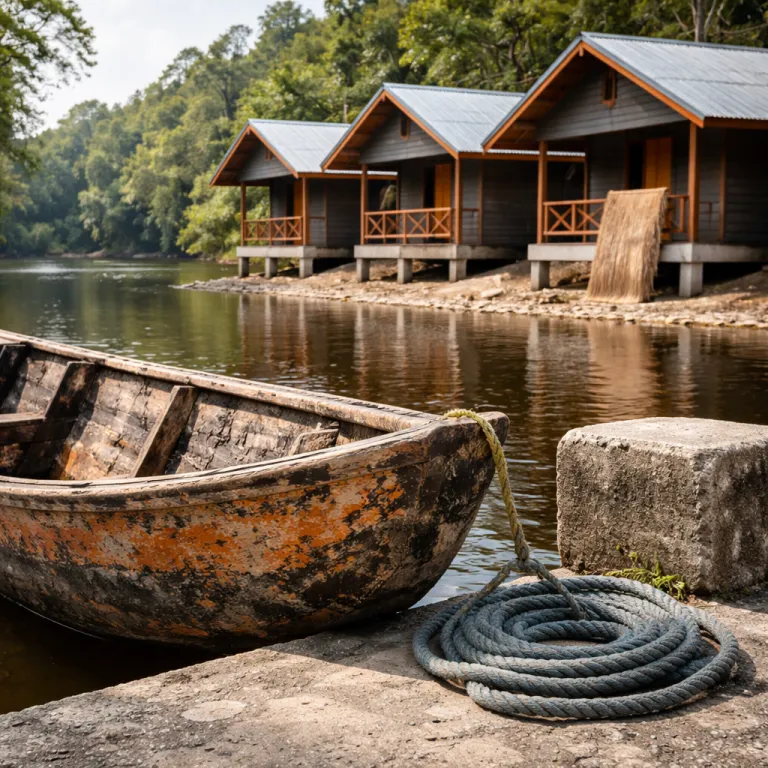
Why palumeu jungle lodge family suriname belongs on a premium family itinerary
Families planning a premium trip Suriname often stop at an easy river resort near the city. Yet the Palumeu Jungle Lodge family experience shows why going deeper into the interior changes how children remember travel. For parents used to polished hotels in Paramaribo, this remote lodge feels like a different level of nature and culture immersion.
Palumeu sits on a bend of the Tapanahony River, surrounded by tropical rainforest and framed by low hills that glow at the end of the day. The Palumeu jungle setting is not a theme, it is the real Amazon rainforest with dense flora fauna, shifting light and the constant sound of insects and birds. When families travel Suriname with school age children, this lodge becomes the place where the abstract idea of the jungle turns into something they can touch, smell and enjoy.
The lodge is managed by inhabitants Amazon communities from the Trio and Wajana Indigenous tribes, who host guests and guide tours with quiet authority. Cabins are built in a traditional style that respects the amerindian village aesthetic while still feeling like a comfortable resort for a family that values privacy. For parents comparing jungle lodges across Suriname, the combination of Indigenous staffing, river access and structured day trips makes Palumeu stand out as one of the most complete family friendly jungle lodge choices in Suriname.
The bushflight from paramaribo and first river hour your children will remember
Reaching Palumeu starts in Paramaribo, usually with a transfer from a refined city hotel that anchors your urban stay. Many families pair a night or two in a central property with a curated Paramaribo city stay for discerning travelers before flying into the jungle. This contrast between wooden colonial streets and the vast green canopy sets the tone for the entire trip Suriname.
The bushflight from Paramaribo to Palumeu usually takes about one hour in a small aircraft with strict weight rules. Flights are typically operated by local carriers such as Gum Air or Blue Wing Airlines into the Palumeu airstrip (IATA: OEM), with a common luggage allowance of around 15 kg per person in soft bags. Children see the Suriname River, the Afobaka Resort area and then an endless carpet of tropical rainforest, with only the occasional brown ribbon of river cutting through the green. Parents should keep luggage lean and explain that the aircraft size means every kilo matters, which turns logistics into part of the travel story rather than a stress point.
After landing on the Palumeu airstrip, the real arrival begins with a boat trip along the Tapanahony River to the lodge. This first hour on the river is where most families say their decision to choose a Palumeu Jungle Lodge family stay suddenly feels absolutely right. Children watch the dug canoe style boats glide past, spot birds and enjoy the spray while Trio Wajana guides read the rapids by memory, and that mix of safety and adventure is what they will talk about long after the trip.
Cabins, comfort and how families actually sleep in the rainforest
The lodge layout is simple, with wooden cabins raised slightly above the ground to handle humidity and river weather. Families of three to five usually share one or two adjacent rooms, each with mosquito nets, basic furniture and solar powered atmospheric lighting that feels gentle after a bright day. This is not a city resort with polished marble, but it is a carefully run jungle lodge where comfort is measured in good sleep, dry bedding and the sound of the river outside.
Humidity is a reality in any amazon rainforest stay, so parents should pack light breathable clothing and accept that nothing dries as fast as in Paramaribo. The staff will advise on hanging clothes, keeping electronics in dry bags and using nets correctly, which helps children feel part of the routine rather than restricted by it. Fans, open windows and the constant movement of air from the river mean nights are usually cooler than families expect when they first visit Suriname.
Bathrooms are functional rather than luxurious, but water pressure is reliable and cleaning standards are high for such a remote corner of the jungle. Solar lighting gives cabins a warm glow in the evening, and the absence of city noise lets families hear the layered sounds of flora fauna around the lodge. For many parents, this balance between rustic structure and thoughtful details is exactly what they enjoy about a Palumeu jungle lodge family stay.
Between jungle walks and river trips, families sometimes ask about more urban comforts or alternative properties such as Zorg Hoop or Afobaka Resort closer to the Suriname River. Those hotels suit travelers who prefer easy access to Paramaribo and a more conventional resort atmosphere. Yet for families who want the jungle lodges experience without sacrificing safety and rhythm, Palumeu remains the reference point.
Back in the capital, some travelers extend their stay with a culinary focus and explore Javanese food through a Blauwgrond warung crawl. That urban food map contrasts beautifully with the cassava bread and river fish served in Palumeu, giving children a full picture of Suriname culture. Moving between these worlds is what makes travel Suriname feel layered rather than like a single themed trip.
Trio and Wajana culture, river excursions and which walks suit which ages
The cultural program at Palumeu is led by Trio and Wajana hosts who live in the nearby amerindian village. Families are usually invited to watch traditional dances, see how cassava bread is prepared and learn how bows, arrows and local crafts are used in daily life. Some rituals remain private, and guides explain clearly which parts of their culture are shared for education and which stay within the community.
On the river, day trips by boat explore quiet stretches of the Tapanahony River and side creeks where children can safely swim under supervision. A classic boat trip might include a stop at Palawa Island, where families picnic, skim stones and enjoy the feeling of being surrounded by nature with no city in sight. Longer tours sometimes use dug canoe style craft in calmer waters, giving older children a sense of how inhabitants Amazon communities have moved through this landscape for generations.
Forest excursions are carefully graded, which matters when planning a palumeu jungle lodge family suriname itinerary. Shorter jungle walks near the lodge work well for children aged six to twelve, with guides pointing out medicinal plants, insects and animal tracks along the way. More demanding hikes, such as the climb to Poti Hill for wide views over the tropical rainforest canopy, suit teenagers and fit parents who are comfortable with heat and uneven ground.
One of the most appreciated aspects of these tours is how guides pace the day so that families never feel rushed. Mornings often start with a cool river run, followed by a shaded walk and then rest time in the lodge hammocks during the hottest hours. Late afternoon might bring another gentle boat ride, a visit to the amerindian village or a quiet moment on the riverbank watching the light fade over the Palumeu jungle.
During planning, many parents compare these activities with more accessible options closer to Paramaribo or along the Suriname River. Articles such as the analysis of how Sozo Paramaribo enters the map for luxury bookings, available on mysurinamestay.com, help frame that decision. The key difference is that while a city hotel refines service and design, Palumeu refines your family’s relationship with the rainforest itself.
Food, rhythm and choosing between the 5 day package or a shorter stay
Life at the lodge follows the river and the sun, which is why the standard four to five day program works so well for families. Mornings start early with coffee, tea and simple breakfast before the first boat trip or jungle walk, then a return to the lodge for lunch and rest. Afternoons bring another excursion or cultural activity, followed by dinner and quiet time under the stars, with only the sounds of the jungle for company.
Meals highlight local ingredients, with river fish, vegetables and cassava bread appearing frequently alongside options that suit less adventurous children. Parents who worry about picky eaters usually find that the combination of fresh air, activity and gentle encouragement from guides means plates come back empty. Drinking water is filtered, and staff are used to explaining what is safe, which reassures families new to amazon rainforest travel.
Choosing between the full five day package and a shorter stay depends on how deeply you want to engage with nature and culture. A three day visit gives a taste of the Palumeu jungle, one or two river trips and a single amerindian village encounter, which can feel rushed for families who have flown all the way from Paramaribo. Four to five days allow time for Poti Hill, Palawa Island, extra day trips and unstructured hours where children simply enjoy being by the river without a schedule.
From a value perspective, the starting price per person around six hundred sixty five euros reflects not only accommodation but also flights, guided tours and the community managed structure of the lodge. This figure is indicative and based on recent operator information from METS Travel & Tours, which co-manages the Palumeu program with local partners. One official answer from the operators states clearly, “How do I get to Palumeu Jungle Lodge? One hour flight from Paramaribo. What activities are available? Boat trips, forest hikes, cultural experiences. Is the lodge family friendly? Yes, suitable for families.” That concise description matches what premium family travelers actually experience on site, which is why palumeu jungle lodge family suriname remains a benchmark for hidden river lodges in Suriname.
FAQ about palumeu jungle lodge family suriname
How do we reach Palumeu from Paramaribo with children ?
Families fly from Paramaribo to Palumeu on a small aircraft, usually in about one hour, then transfer to a river boat for the final stretch to the lodge. Weight limits apply, with most operators allowing around 15 kg per person in soft luggage, so careful packing is essential. The combination of bushflight and river arrival is safe when operated by established partners and is often the highlight of the trip for children.
Is Palumeu suitable for younger children or only teenagers ?
The lodge is suitable for families, with shorter jungle walks and gentle river trips that work well for children aged six to twelve. Teenagers can join longer hikes such as the route to Poti Hill and more extended boat excursions on the Tapanahony River. Very young children may find the heat and logistics demanding, so parents should assess their child’s tolerance for humidity and routine changes.
What should we pack for a family stay in the rainforest ?
Pack light breathable clothing, long sleeves for evenings, sturdy walking shoes, hats and high quality insect repellent. Dry bags for electronics, a small flashlight or headlamp and personal medication are important because there is no road access to shops. Many families also bring simple games or cards for quiet hours in the lodge between day trips.
How does Palumeu compare with river resorts closer to Paramaribo ?
Resorts along the Suriname River near Afobaka Resort or Zorg Hoop offer easier access, more conventional rooms and shorter transfers. Palumeu, by contrast, delivers a deeper immersion in the amazon rainforest, with Indigenous Trio and Wajana hosts, more remote jungle lodges atmosphere and a stronger focus on culture and nature. Families who value comfort above all may prefer the closer resorts, while those seeking a transformative jungle experience usually choose Palumeu.
Is Palumeu a responsible choice for Indigenous communities and the environment ?
The lodge operates as a community managed eco tourism project that supports local Indigenous communities and encourages conservation of the surrounding rainforest. Trio and Wajana inhabitants Amazon groups staff the lodge, guide tours and share their culture on their own terms. By staying there, families contribute directly to local livelihoods while learning respectful ways to enjoy the jungle.