Why the Blauwgrond warungs in Paramaribo belong on every luxury itinerary
The Blauwgrond warungs in Paramaribo sit at the crossroads of history, taste, and contemporary Surinamese city life. This compact neighborhood in the Paramaribo District grew from Javanese contract labor migration, which began in the late nineteenth century and quietly reshaped the food culture of Suriname. Today, Blauwgrond offers one of the densest clusters of family kitchens in the country, and it is among the most rewarding places for a solo traveler to eat well before returning to a refined hotel.
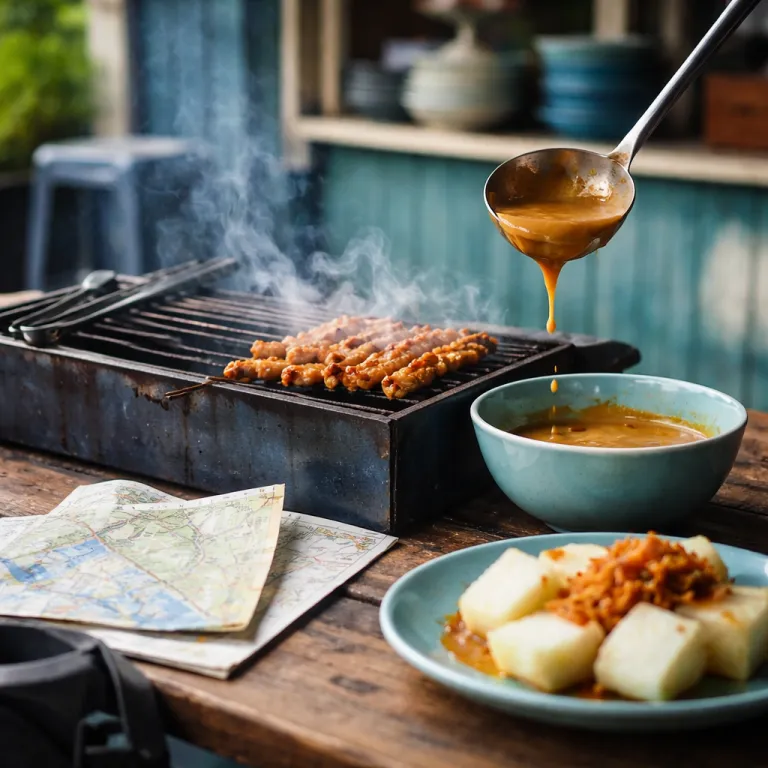
On any given evening, warm air drifts through Blauwgrond as grills flare, woks hiss, and the scent of lemongrass and peanut smoke hangs above the streets. Around twenty Javanese eateries operate here, many of them multi-generation warungs where the kitchen sits almost on the pavement and the family lives just behind the dining area. For travelers staying in a luxury resort in Paramaribo city, this is the perfect low-key counterpoint to white-tablecloth dining, and it is close enough to remain practical for a short trip.
Blauwgrond is located in the eastern part of the Paramaribo District, a short taxi ride from most premium hotels in the historic center. On a map of Suriname, you will see how this neighborhood forms a bridge between the colonial core and the greener residential areas that edge toward nature and the Commewijne District. That location matters, because it makes the Blauwgrond warungs both accessible and atmospheric, with enough distance from the riverfront attractions to feel like a genuine neighborhood place rather than a stage set.
Reading the map from hotel lobby to Blauwgrond’s Javanese heart
For a solo traveler planning an evening in Blauwgrond, the first step is to understand the location in relation to your hotel in Paramaribo. Most luxury properties in the capital cluster either around the historic inner city or along the Suriname River, and both areas are a short drive from the Blauwgrond district. Ask your concierge to point out the route on a printed map, then save the same location on your phone for the return trip.
From the UNESCO-listed wooden streets of the old town, a taxi ride to the Blauwgrond warungs usually takes around ten to fifteen minutes, depending on traffic and the exact place where your hotel is located. Expect to pay roughly SRD 60–80 for a one-way ride, though prices can vary. The drive itself is a quiet introduction to everyday Paramaribo life, as you pass wooden houses, small shops, and the occasional glimpse of nature along canals and side streets. If you prefer to explore independently, local buses also run toward Blauwgrond, but for a late evening return to a premium resort the reliability of a taxi is often the perfect balance of comfort and safety.
Once you arrive, orient yourself using a simple mental map rather than staring at your phone. The main strip of Blauwgrond is compact, with warungs on both sides of the road and a few side lanes leading to additional places to eat. For a refined city stay that pairs gastronomy with comfort, it is worth reading a dedicated guide to elegant hotels in Paramaribo for discerning travelers, such as this overview of refined city stays in Paramaribo, then plotting how your chosen property connects to this Javanese enclave.
Walking the five warungs: a solo friendly Blauwgrond itinerary
Think of the Blauwgrond warungs as a progressive dinner, where you move from place to place rather than committing to a single table all night. Start at Sarinah on Anton Dragtenweg, the best-known Javanese restaurant in Blauwgrond, where the menu reads like a primer on the cuisine and the service rhythm suits a solo diner easing into the evening. Sarinah typically opens daily from late afternoon until around 22:00. Order a small saoto soup and one portion of sate, then watch how the kitchen handles the rush during peak hours between 18:00 and 21:00.
From there, cross the street to a smaller family-run warung such as Warung Raden or Warung Jawa, where the grill sits almost on the pavement and the air is thick with charcoal and clove-scented smoke. This is where you try bakmi, the stir-fried noodle dish that, along with saoto and sate, forms the holy trinity of Javanese comfort food in Paramaribo. Ask for a half portion if possible, and pay in cash, because some places in Blauwgrond still do not accept cards and the atmosphere remains pleasantly informal.
Continue your walk toward the quieter end of the street, where two or three warungs often specialize in vegetarian-friendly plates built around tofu, tempeh, and quickly stir-fried vegetables. These kitchens are perfect for travelers who want to enjoy lighter dishes before returning to a luxury resort on the city side, perhaps with a final stop for sweet iced drinks or coffee. Along the way, you will pass other attractions of everyday life in the Paramaribo District, from small shops to street vendors, and the rhythm of the neighborhood becomes part of the trip itself.
The saoto soup test and Sarinah versus the family kitchens
In Blauwgrond, saoto soup is more than a dish; it is a benchmark. Locals often say that if a warung can make a clear, fragrant saoto with depth, then the rest of the kitchen will follow, and this rule holds across the Blauwgrond warungs. When you sit down, look at the broth first, then the condiments, and finally the way the staff handles your order during busy periods.
A serious kitchen will serve saoto with a bright, almost shimmering broth, separate plates of bean sprouts, fried shallots, and herbs, plus a wedge of lime and a small dish of sambal for heat. Tourist-focused places sometimes cut corners, offering a flat-tasting soup with fewer garnishes and less attention to balance, which is why the saoto test remains such a reliable tool for travelers who want to explore authentic Javanese flavors. At Sarinah, the standard is consistently high, which explains its reputation as a household name for Javanese food in Suriname and its popularity among both residents of Paramaribo and visitors from other parts of the country.
That said, the smaller family warungs in Blauwgrond often deliver a different kind of perfection, with recipes that have evolved quietly over decades. These places may not look polished, but they can be the perfect match for a solo traveler who values character and conversation as much as presentation. As one local guide explains to curious visitors, "What is a warung?" and answers immediately, "A small, family-owned eatery serving traditional dishes."
Practical solo logistics and pairing Blauwgrond with your Suriname stay
For solo travelers staying in a luxury hotel or resort in Paramaribo city, timing is everything when planning an evening among the Blauwgrond warungs. Aim to arrive just before the main dinner rush, around 18:00, when the air is cooling slightly and tables are still easy to find. This gives you time to enjoy two or three places at a relaxed pace before taxis become scarce and the neighborhood settles into its late evening rhythm.
Dress casually, because the atmosphere in Blauwgrond is informal and many warungs offer outdoor seating under simple awnings or open skies. Carry enough cash in Surinamese dollars for your planned stops, since some places do not yet accept cards and you will want the freedom to explore without worrying about payment options. When ordering, you can manage spice levels with a few simple phrases in Dutch or Sranan, or by gesturing toward the sambal and asking for a little or a lot, which staff in Paramaribo are used to navigating with visitors.
After dinner, most luxury travelers will take a taxi back to their hotel in the Paramaribo District rather than walking, because distances can be longer than they appear on a map and late-night pavements are uneven in places. If your trip includes time beyond the city, consider pairing this urban food experience with a day in the Commewijne District, where you can visit a historic coffee plantation such as Peperpot or Mariënburg and see another side of Suriname. For a curated overview of where to stay before and after your Blauwgrond evenings, consult a specialist guide such as the one on elegant hotels in Suriname for refined city and river stays, then build your itinerary around both river nature and Javanese street kitchens.
Extending the Blauwgrond experience across Paramaribo and beyond
Once you have walked, eaten, and lingered among the Blauwgrond warungs, the neighborhood becomes a reference point for the rest of your stay. You will notice how menus in upscale hotel restaurants in Paramaribo city borrow elements from Javanese kitchens, from peanut-based sauces to sate skewers and saoto-inspired broths. This cross-pollination reflects the broader cultural layering of Suriname’s capital, where Javanese, Maroon, Creole, and Hindustani traditions share the same urban space.
Use Blauwgrond as a culinary compass when you explore other places in the Paramaribo District and further into Suriname. A day trip to the Commewijne District, for example, might combine a guided visit to a former coffee plantation with a riverside lunch that nods to Javanese flavors, then an evening return to your preferred resort on the Paramaribo side for a final drink. In this way, the Blauwgrond area becomes not just a single location on a map, but a thread that connects city attractions, rural nature, and the quiet luxury of your chosen hotel.
For solo travelers, this pattern offers a perfect balance between independence and comfort throughout the trip. You can enjoy the sensory intensity of open-air warungs one night, then retreat to a calm pool deck or river-view suite the next, always with the option to return to Blauwgrond for another round of sate or bakmi. Over time, that rhythm of movement between street-level kitchens and polished lobbies becomes the defining pleasure of a well-planned stay in Suriname.
FAQ about Blauwgrond warungs and luxury stays in Paramaribo
What is a warung and how does it differ from a regular restaurant?
A warung is typically a small, family-owned eatery where the kitchen, dining area, and often the family home are closely intertwined. In Blauwgrond, many warungs have open-air cooking areas and simple seating, which creates a more intimate and informal atmosphere than most standard restaurants. This setting allows travelers to experience Javanese food culture in the Paramaribo District at close range while supporting local businesses.
Is it safe to dine at the Blauwgrond warungs in the evening?
Blauwgrond is generally considered safe for evening dining, especially during the main dinner hours when many locals are out. As in any urban Suriname setting, it is sensible to keep valuables discreet and to use a registered taxi back to your hotel in Paramaribo city after dark. Solo travelers usually feel comfortable walking between warungs, because the area remains active and well frequented.
Are vegetarian options easy to find in Blauwgrond?
Vegetarian travelers will find plenty of options among the Blauwgrond warungs, thanks to the central role of tofu, tempeh, and vegetables in Javanese cooking. Many kitchens can prepare stir-fried vegetable dishes, noodle plates without meat, and saoto-style soups adapted for non-meat eaters. It helps to ask politely when you order, and most family warungs are happy to guide you toward suitable choices.
How much should I budget for an evening of eating in Blauwgrond?
Prices in the Blauwgrond district remain accessible, even for travelers used to luxury hotels and resorts. A generous meal with saoto soup, sate, and drinks at one or two warungs typically costs around the equivalent of ten United States dollars per person, depending on your choices. This makes Blauwgrond an excellent value addition to a premium stay in Paramaribo, where hotel restaurants may be significantly more expensive.
How do I combine Blauwgrond with other attractions around Paramaribo?
Many travelers plan Blauwgrond dinners on nights when they stay in or near the historic center of the Paramaribo District, using taxis for the short transfer. Daytime can then be devoted to river cruises, heritage walks, or excursions to the Commewijne District for nature and coffee plantation visits. By alternating these activities, you create a balanced trip that highlights both the cultural depth of Blauwgrond and the broader landscapes of Suriname.