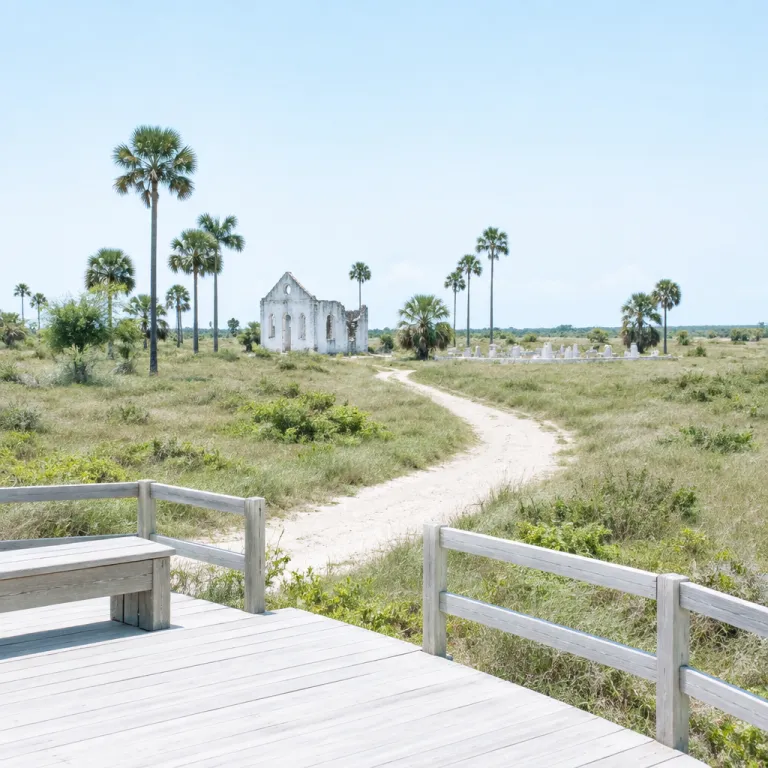
Why jodensavanne suriname is the heaviest history day trip from Paramaribo
Jodensavanne in Suriname is not a pretty ruin for casual selfies. This former jodensavanne settlement on the Suriname River in the Para District was once a powerful Sephardi Jewish plantation centre built on the labour of enslaved people. For a solo traveller choosing between river cruises and rainforest lodges, this heritage site is the one day trip that asks you to sit with uncomfortable history.
The jodensavanne suriname story begins with sephardi jews who fled persecution in Europe and arrived under Dutch colonial rule. They carved a jewish community out of the forest, establishing a jodensavanne settlement of plantations, a synagogue, and a creek cemetery that became a centre jewish life in the region. Yet every flourishing plantation along this stretch of the Suriname River depended on enslaved people whose names rarely appear in the surviving records.
Today the site jodensavanne feels quiet, almost deceptively gentle. You walk sandy paths between mossy stones, the archaeological outlines of the Beracha ve Shalom synagogue, and the jodensavanne archaeological remains of houses that once belonged to wealthy jews. The silence is broken only by the wind in the trees and the sound of the nearby cassipora creek, which makes the contrast between former power and present stillness even sharper.
UNESCO heritage status has finally placed this jewish savannah on the global map. The listing recognises jodensavanne suriname as one of the earliest jewish community settlements in the Americas and a rare archaeological site where jewish life and slavery intersect so visibly. For travellers who care about context, that combination makes the 90 minute drive from Paramaribo feel less like an excursion and more like a necessary chapter in understanding Suriname.
What you actually see at the jodensavanne archaeological site today
Arriving at the jodensavanne archaeological site, do not expect a polished open air museum. This is a forest clearing on a river bend, where the archaeological institute and the jodensavanne foundation have chosen conservation over reconstruction. You see foundations, not facades ; outlines of a synagogue and cemetery, not restored pews or polished marble.
The heart of jodensavanne suriname is the Beracha ve Shalom synagogue platform, raised slightly above the sandy ground. Stone steps lead to where sephardi jews once entered for prayer, and you can still trace the footprint of the sanctuary and the women’s gallery in the jodensavanne archaeological remains. Nearby, the beth haim cemetery holds weathered tombstones carved with Hebrew and Portuguese inscriptions, many half swallowed by roots and lichen.
Walk a little further and the forest thickens around the old plantation plots. You will not see intact plantation houses, but you will notice earthworks, scattered bricks, and the way the land slopes gently towards the Suriname River and cassipora creek. Guides often point out how enslaved people would have moved between the river landing, the fields, and the centre jewish worship space, making the landscape itself part of the narrative.
Across the water, the cassipora creek area and the settlement cassipora cemetery form a second, quieter chapter. Many tours include a stop at this creek cemetery, where members of the jewish community were buried before the jodensavanne centre fully developed. The jodensavanne foundation and local partners now treat both locations as a single heritage site, linking the main site jodensavanne with cassipora to show how jewish life, trade routes, and river geography intertwined in colonial Suriname.
For travellers pairing city history with river heritage, it is worth reading about Paramaribo’s UNESCO wooden hotels and heritage stays before you go. Staying in a restored wooden property in the historic centre, then spending a day at jodensavanne suriname, creates a powerful dialogue between urban colonial facades and rural ruins. The contrast underlines how wealth generated on plantations along the Suriname River flowed back into the capital’s grand houses and synagogues.
Layered legacies: jewish community, enslaved people and the river landscape
What makes jodensavanne suriname so challenging is the way privilege and persecution sit side by side. The jewish community here enjoyed unusual autonomy under Dutch rule, with rights to run their own courts and manage the jodensavanne settlement as a semi independent centre. At the same time, their plantations relied on enslaved people whose forced labour underpinned every brick of the synagogue and every stone in the cemetery.
Standing between the beth haim tombs and the Suriname River, you can almost map the social order onto the landscape. The centre jewish worship space occupied the highest, breeziest ground, while the plantation fields stretched towards the water and the forest where Maroon communities of escaped enslaved people later formed. Guides often explain how the same river that brought sephardi jews and Dutch merchants also carried enslaved Africans and, later, refugees fleeing brutal conditions.
The cassipora creek and the smaller settlement cassipora add another layer to this story. Here, the creek cemetery and the surrounding archaeological traces show how early jewish life clustered along waterways that doubled as trade routes and escape corridors. When you combine a day at jodensavanne suriname with an evening walking the riverfront near Fort Zeelandia and the historic core, especially if you have read about Paramaribo’s colonial river walk, the continuity of river history becomes hard to ignore.
For a solo traveller, engaging with this heritage site means asking uncomfortable questions. How do you honour the resilience of a persecuted jewish community without erasing the suffering of enslaved people who built their prosperity ? How do you walk through a jodensavanne archaeological landscape that feels peaceful today, knowing it was once a centre of forced labour and punishment ? The best guides do not soften these edges ; they invite you to sit with them, using the ruins as prompts rather than props.
Planning your day: tours, timing and what to bring to jodensavanne
From central Paramaribo, the drive to jodensavanne suriname takes about 90 minutes each way. Most organised tours run roughly from 9.00 to 16.00, often combining the main jodensavanne archaeological site with a swim stop or a visit to a nearby village such as Redi Doti in the Para District. For a solo traveller, this makes it a full day commitment, not a quick detour between meetings.
Guided tours are strongly recommended for first time visitors. A good guide will connect the synagogue ruins, the beth haim cemetery, and the cassipora creek cemetery into a coherent story about sephardi jews, Dutch colonial policy, and the lives of enslaved people on surrounding plantations. They also handle permits, liaise with the jodensavanne foundation and local communities, and know how recent UNESCO heritage recognition has changed access rules at the site jodensavanne.
Self drive is possible if you are comfortable with unpaved roads and rural navigation. You will need a reliable vehicle, plenty of water, sun protection, and insect repellent, because the combination of river breeze and forest shade can be deceptive. Wear closed shoes for walking around the archaeological site, as roots, uneven stones, and sandy patches around the creek cemetery can make light sandals impractical.
Many travellers pair this day trip with a stay in a characterful property in Paramaribo’s historic centre, then head deeper inland the next day. If you are considering a short rainforest detour, it is worth reading about the 48 hour Blanche Marie Falls itinerary to understand how river and forest experiences complement jodensavanne suriname. Together, they give you a three dimensional sense of how the Suriname River, its creeks, and the interior shaped both jewish life and Maroon resistance.
Where to stay: pairing jodensavanne with Paramaribo’s luxury and heritage hotels
For a history focused solo trip, your base in Paramaribo matters almost as much as the day trip itself. Staying in a heritage focused luxury hotel in the historic centre keeps you within walking distance of synagogues, wooden churches, and the riverfront. It also means your 9.00 departure for jodensavanne suriname feels civilised rather than rushed.
Look for properties that understand the nuance of Suriname’s layered past. Some high end hotels in the old town work closely with the jodensavanne foundation and local guides, curating private tours that include both the jodensavanne archaeological site and lesser known jewish community landmarks in the city. Staff who can speak about sephardi jews, Dutch colonial architecture, and the role of plantations in funding Paramaribo’s grand houses add real value for culturally curious guests.
If you prefer a quieter stay, consider riverside hotels slightly upriver from the centre. Waking to views of the Suriname River, then driving south towards the Para District, creates a satisfying narrative arc from urban waterfront to forested archaeological site. After a day among the ruins of the synagogue, cemetery, and plantation traces, returning to a calm pool deck and thoughtful service helps you process what you have seen.
Whichever property you choose, ask the concierge or front desk about current conditions at jodensavanne suriname. Road quality, water levels near cassipora creek, and access to Redi Doti or other villages can change with the season. Hotels that regularly send guests to this heritage site tend to have the most up to date practical information, as well as trusted guides who treat both the jewish community legacy and the history of enslaved people with the respect they deserve.
FAQ
Is jodensavanne worth a full day trip from Paramaribo for a solo traveller ?
For travellers interested in history, jodensavanne suriname is absolutely worth a full day. The combination of the synagogue ruins, the beth haim cemetery, and the wider jodensavanne archaeological landscape offers a rare look at how sephardi jews, Dutch colonial power, and enslaved people shaped this stretch of the Suriname River. It is not a light outing, but it is one of the most meaningful heritage experiences in the country.
What is the best way to visit the jodensavanne archaeological site ?
The most practical and insightful way to visit the jodensavanne archaeological site is with a guided day tour from Paramaribo. A knowledgeable guide can explain the jewish community’s privileges, the realities of plantation life, and the role of enslaved people in building the jodensavanne settlement. They also coordinate with the jodensavanne foundation and local communities to ensure your visit respects the site’s status as a UNESCO heritage site.
How long do I need at jodensavanne and cassipora creek ?
Most travellers spend about two to three hours at the main site jodensavanne, including time at the synagogue platform, the beth haim cemetery, and the surrounding archaeological remains. If your tour includes cassipora creek and the older creek cemetery at the settlement cassipora, add another hour for walking and interpretation. With driving time from Paramaribo and possible stops at Redi Doti or a swimming spot, the full excursion usually fills a 9.00 to 16.00 day.
What should I wear and bring for a day at jodensavanne suriname ?
Wear light, breathable clothing that covers your shoulders and knees, both for sun protection and out of respect for the cemetery and synagogue remains. Closed shoes are recommended because paths around the archaeological site, the creek cemetery, and plantation traces can be uneven or sandy. Bring water, sunblock, insect repellent, and a hat, as shade varies between the Suriname River bank, the forested areas, and the open clearings.
Can I combine jodensavanne with other heritage sites in Suriname ?
Yes, many travellers combine jodensavanne suriname with time in Paramaribo’s historic core, visiting synagogues, churches, and colonial era buildings along the riverfront. You can also add an evening walk near Fort Zeelandia or a short rainforest trip to balance heavy history with nature. This mix of city heritage, river archaeology, and interior landscapes gives a more complete picture of how Suriname’s jewish community and enslaved people shaped the country’s past.