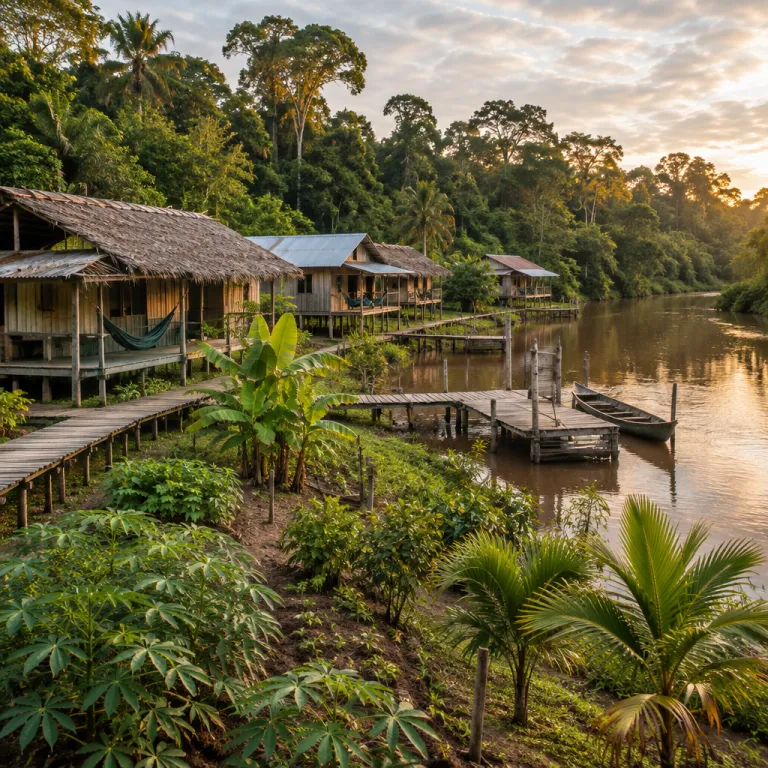
World Tourism Day in Suriname and the rise of community stays
World Tourism Day lands in Suriname just as the dry season steadies the rivers and opens the interior. For business travellers extending a stay in the city Paramaribo, this is the moment when sustainable tourism Suriname stops being a slogan and becomes a set of real choices about where you sleep, who you meet, and which communities benefit from your travel budget. In a country where more than 90 percent of the land remains forested, the most meaningful luxury often takes place far from chain lobbies, in river villages where hospitality is a community based responsibility rather than a corporate department.
Here, tourism Suriname is still young enough that every booking shapes the model that will define the next decade. When you choose a lodge in upper Suriname that is owned by local communities, you are not only buying access to suriname nature and river journeys but also helping to set a benchmark for how sustainable tourism and premium comfort can coexist. That is why World Tourism Day feels less like a marketing date and more like an annual check in on whether tourism sustainable practices are genuinely creating a positive impact in this small, layered country.
Suriname offers a rare alignment between natural areas, cultural heritage, and high end privacy that business leisure travellers quietly value. The country sits between Guyana and French Guiana, yet the guyana Suriname border region remains far less commercialised, which keeps many experiences intimate and genuinely local. For guests used to global brands, this means sustainable travel here is not about collecting eco labels ; it is about entering living communities, learning how community tourism works on the ground, and accepting that the richest experiences will not always come with a pillow menu.
What community led hospitality means for your stay and your bill
In Suriname, community tourism usually means that a lodge or guesthouse is owned or co owned by a village collective, often in Maroon or Indigenous communities along the Suriname River. Revenue from tourism suriname then flows into local funds that support education, health posts, river transport, and the preservation of cultural heritage such as traditional woodcarving or dance. For a guest, this translates into stays where your guide is a neighbour, your river captain is a cousin, and your evening stories come from people whose lives are directly shaped by the activities you book.
This model of community based tourism is Suriname’s quiet competitive edge over larger South American destinations. Instead of a distant business extracting value from natural areas, you meet families who have a stake in keeping suriname nature intact because their sustainable tourism income depends on healthy forests and rivers. When sustainable travel budgets are channelled into local communities rather than offshore accounts, the positive impact is visible in new school roofs, solar panels, and small enterprises that grow around the lodge, from craft workshops to river transport cooperatives.
For the business leisure traveller, the financial structure matters as much as the thread count. Choosing a community based stay means your invoice supports both premium service and long term conservation of the country’s nature reserve network, rather than only paying for imported fittings. If you want to go deeper into how luxury operators are adapting to this model, the analysis of sustainable hospitality trends in Suriname shows how high end properties are aligning with community tourism without losing their polish.
From Paramaribo boardroom to river village: building one meaningful community stay into a short trip
Most executive travellers land in the city Paramaribo for meetings, then assume there is no time to reach a remote village or nature reserve. In reality, sustainable tourism Suriname can fit into a long weekend if you plan with the dry season in mind and accept that the journey, whether by small plane or riverboat, is part of the experience. A typical pattern is two nights in a refined riverside property in the capital, followed by two or three nights in a community based lodge in upper Suriname, before returning to the city for your outbound flight.
Start with an urban base that understands both business needs and sustainable travel expectations. Several premium hotels along the Suriname River now integrate local experiences into their concierge menus, from guided walks through UNESCO listed wooden streets to curated visits with artisans who keep the city’s cultural heritage alive ; our guide to refined stays along the Suriname River outlines which addresses balance reliable Wi Fi, quiet meeting corners, and meaningful links to local communities. From there, you can connect to a lodge that specialises in community tourism, where village councils decide which activities take place and how visitors move through nearby natural areas.
For those who want jungle immersion without sacrificing comfort, eco luxury properties in the interior show how tourism sustainable principles can coexist with high service standards. Many of these stays, profiled in our feature on eco luxury hotels in Suriname, are built with natural materials, powered partly by solar, and staffed almost entirely by people from nearby communities. You still enjoy hot showers, crisp linens, and well designed communal spaces, but your days are shaped by local guides who know every bend of the river and every medicinal plant along the forest trails.
Comfort, logistics and choosing community stays responsibly rather than performatively
Community led hospitality in Suriname is not a staged performance for visiting executives ; it is daily life, with all its texture and occasional imperfections. You may find that Wi Fi is slower in a river village, that air conditioning gives way to ceiling fans, and that some activities are rescheduled because a community meeting takes place or a boat is needed for a medical trip. For many travellers, this is precisely the point, because it reveals how tourism suriname fits into the broader rhythm of the country rather than sitting apart from it.
Choosing responsibly means asking clear questions before you book, not after you arrive. Ask how the lodge is owned, how many staff come from local communities, and what percentage of revenue is reinvested in the village or in protecting nearby natural areas such as forest corridors or riverbanks. A serious operator in sustainable tourism Suriname will be transparent about these structures and will also be honest about limits, whether that is the number of guests a small village can host without strain or which cultural activities are appropriate for visitors to join.
It also means recognising that Suriname offers different layers of engagement, from light touch cultural activities near the city Paramaribo to deeper stays in upper Suriname where you sleep in the heart of a hidden gem river settlement. Business leisure travellers who only have two or three free days can still support community based tourism by choosing day trips or one night extensions that are run by local guides and village organisations. Over time, these choices help ensure that sustainable travel in this country remains grounded in real community benefits, rather than becoming a marketing label detached from the people and places that make suriname nature so compelling.
FAQ
Is a community stay in Suriname realistic on a short business trip?
Yes, a community stay is realistic even if you are in the country primarily for business. With careful planning, you can pair two nights in the city Paramaribo with one or two nights in a nearby river lodge that works closely with local communities. The key is to travel during the dry season, when river levels and flight schedules make short interior trips more reliable.
How comfortable are community based lodges for executive travellers?
Comfort levels vary, but several community based lodges now offer private rooms with en suite bathrooms, mosquito nets, and high quality bedding. You should expect fans rather than full climate control, and intermittent connectivity instead of constant high speed internet. For many executive guests, the trade off is acceptable because the service is attentive, the setting is quiet, and the experiences feel more meaningful than a standard city hotel.
How can I be sure my stay benefits local communities and nature?
The most reliable way is to ask specific questions before booking about ownership, staffing, and revenue sharing. Responsible operators in sustainable tourism Suriname can explain how much of each stay supports village funds, education, or conservation of nearby natural areas. You can also look for lodges that limit group size, employ local guides, and avoid activities that disturb wildlife or disrespect cultural norms.
What kind of activities are typical in community tourism stays?
Typical activities include guided forest walks, river trips to nearby villages, visits to small farms, and informal cultural evenings with music or storytelling. Many lodges also offer chances to learn about traditional crafts or food preparation, always at the pace and comfort level of the host community. The best programmes are flexible, allowing guests to balance quiet time with deeper engagement in village life.
Do I need special gear or preparation for a short interior trip?
For a short stay linked to a business trip, you mainly need light breathable clothing, good walking shoes, insect repellent, and any personal medication. Lodges usually provide basic safety equipment for river activities, such as life jackets, and can advise on what is appropriate for the season. It is also wise to carry a small dry bag for electronics and to let your city hotel know your exact itinerary in the interior.