Reading the rain: how suriname rainy season travel really works
Suriname sits on the shoulder of South America, where the Atlantic trades meet dense rainforest and create a climate that rewards travelers who understand rhythm. The green season, the longest rainy season of the year, runs roughly from mid April to mid August and shapes every decision about where to stay, when to move and how to plan your time to visit the interior. For luxury travelers used to chasing the dry season as the best time to travel in Latin America, this period looks risky on paper yet delivers some of the most refined experiences in the region.
The climate in Suriname is equatorial, with two main wet seasons and two drier seasons rather than a simple split between a dry season and a rainy season. During the green season the temperature average in Paramaribo and along the rivers hovers around 27 to 30 degrees Celsius, with humidity high and rainfall high in short, theatrical bursts rather than endless drizzle. Climate data from the Suriname Meteorological Service shows average rainfall close to 300 millimeters per month in these months, but mornings often open clear, which is why seasoned guides insist that the best time for boat departures and forest walks is early.
For suriname travel focused on luxury and premium hotels, this climate pattern is an advantage rather than a drawback. Most downpours hit between early afternoon and late afternoon, usually for two to four hours, which means you can structure your time visit around long, luminous mornings in the jungle and slow, indulgent afternoons under a wide veranda with excellent food and drink. The Suriname Tourism Board openly promotes this green season tourism, noting that “Rainy season sees fewer tourists.” and that “Average Rainfall in Green Season 300 mm/month visitors/month.” which translates into quieter lodges, more attentive service and a sense that you have an entire river bend to yourself.
Daily rhythm in the rainforest: planning around clouds, currents and comfort
Once you accept that suriname rainy season travel is about rhythm rather than resistance, the day starts to arrange itself with almost musical precision. In Paramaribo, luxury riverside hotels will suggest dawn departures for interior flights or boat transfers, because this is the best period to move before convection builds and the sky closes in. By mid morning you are usually deep in the forest, the temperature still relatively gentle for South America and the light soft enough for photography without harsh contrast.
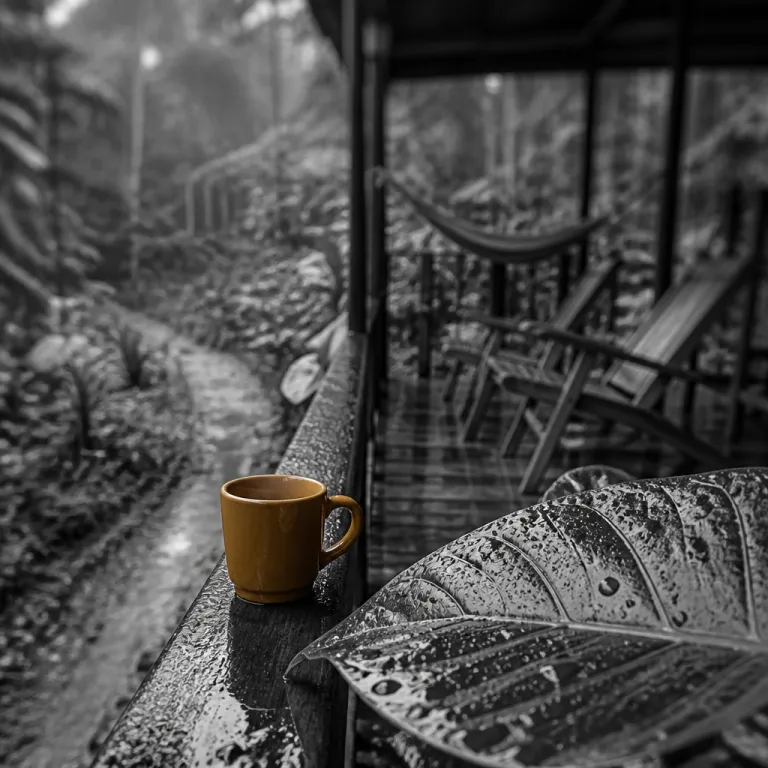
In the interior, properties such as Bergendal and Danpaati have learned to choreograph activities around the seasons and the predictable pattern of rainfall. Guides schedule longer hikes, village visits and wildlife tracking in the first half of the day, then switch to shorter, more sheltered excursions once clouds stack up and the rainfall high phase approaches. When showers hit, you retreat to polished wooden decks, watch the river rise a few centimeters and understand why wet seasons are the only time some remote creeks become navigable by pirogue.
This is where solo travelers gain a quiet edge during the green season. Group sizes shrink, so a Maroon guide can adjust the pace of a forest walk to your interests, pointing out medicinal plants or river channels with the same intimacy described in our feature on river by river memory. With fewer guests in house, luxury lodges can flex meal times around the actual time visit for excursions, serving late lunches after a long morning on the water or early dinners before an evening boat ride in light drizzle, when caimans and night birds become active.
Where to stay when the rivers rise: lodges that love the green season
Not every property in Suriname is built for the demands of the longest rainy season, so choosing the right lodge is the single best decision you can make. In Paramaribo, start with a night or two in a high end heritage hotel along the Suriname River, then use a curated interior stay from a specialist platform such as our Suriname resort guide to match your pace to the right river. Bergendal, reachable by road and boat from the capital, handles the climate in Suriname’s green season with confidence thanks to elevated villas, robust drainage and staff who treat a passing squall as a chance to refresh the pool deck rather than a disruption.
Farther south along the Upper Suriname River, Danpaati River Lodge comes into its own when river levels rise and channels open. During this season the average travel time by boat from Atjoni can be shorter because rapids smooth out, and the higher waterline allows access to creeks that are too shallow in the dry season. For solo travelers, this means more flexible routing, more spontaneous stops in Maroon villages and a sense that you are moving through a private waterway network rather than a crowded tourist corridor.
On the coastal plain, Nieuw Nickerie offers a different angle on suriname rainy season travel, with rice fields shimmering under heavy clouds and birdlife concentrated along flooded polders. Luxury level options here are limited compared with Paramaribo or the deep interior, but pairing a refined city stay with a day trip to this western edge of Suriname, near the border with Guyana and not far in latitude from French Guiana, gives a strong sense of how seasons shape local life. For those planning holidays that mix city comfort, river immersion and coastal drives, our advice is clear ; lock in Paramaribo suites and interior lodges early using tools like the Paramaribo peak summer openings calendar, then leave space for spontaneous side trips once you see how the rainfall is tracking.
Packing, pricing and timing: practical tips for solo luxury travelers
Green season in Suriname rewards travelers who pack with the same precision they apply to hotel selection. Quick dry layers, a light waterproof shell, rubber boots for muddy trail walks and dry bags for cameras turn an afternoon downpour from a threat into a theatrical backdrop. Add a compact umbrella for moving between suites and restaurant pavilions, and you will find that even when rainfall is high, you remain perfectly comfortable moving through open air spaces.
From a pricing perspective, suriname rainy season travel is one of the rare cases in South America where the best time for value and the best time for experience align. Lodge availability opens up, and rates often soften by 15 to 25 percent compared with the peak dry season around February March or the shorter dry window in the Oct Nov and Nov Dec periods. Because tourist numbers drop, staff to guest ratios improve, which means more guide attention on river trips, more flexibility with food and drink preferences and more space to linger over climate data chats with managers who have watched these seasons shift over decades.
Timing your trip within the green season also matters. Early May can still feel transitional, while mid August often brings a tapering of rain and a subtle slide toward the next period of lower rainfall, which some travelers prefer if they want a compromise between lushness and predictability. Whether you plan to visit Suriname as a standalone destination in Latin America or fold it into a wider South America itinerary that might also touch French Guiana or northern Brazil, the key tips remain constant ; respect the climate, plan your time visit around the daily cycle of showers and trust that the emptiest lodges often deliver the richest jungle experiences.
FAQ
Is it safe to visit Suriname during the green season ?
Yes, it is safe to visit Suriname during the green season when you prepare properly and work with reputable operators. Interior lodges such as Bergendal and Danpaati remain fully operational, boats are crewed by experienced river pilots and local guides adjust routes according to daily rainfall and river levels. The Suriname Tourism Board notes that “Is it safe to visit Suriname during the green season? Yes, with proper preparation and guidance.” which aligns with what luxury travelers experience on the ground.
What activities are available in the rainy months for luxury travelers ?
During the longest rainy season you can still enjoy guided jungle tours, wildlife spotting, village visits and river excursions, with mornings usually reserved for longer outings before showers build. Many high end lodges add wellness elements such as spa treatments, cooking demonstrations or rum tastings in covered spaces during the wettest hours. Photography, birding and cultural encounters with Maroon and Indigenous communities often feel more intimate because group sizes are smaller.
How does the climate in Suriname affect hotel and lodge operations ?
The equatorial climate in Suriname, with its alternating wet seasons and drier periods, shapes everything from transfer logistics to menu planning. During the green season, higher river levels improve access to deep interior lodges, but some forest trails may close temporarily for safety, so properties shift focus toward boat based activities. Luxury hotels in Paramaribo and along major rivers are designed with raised walkways, generous overhangs and strong ventilation, allowing guests to stay comfortable even when rainfall is high.
When is the best time to visit Suriname for fewer crowds and lush scenery ?
The best time to visit Suriname if you want minimal crowds and maximum rainforest intensity is the long green season from roughly May to mid August. This period brings higher average rainfall and humidity, but also the most vivid foliage, fuller waterfalls and quieter lodges. For solo travelers who value guide attention, flexible itineraries and a sense of having the river to themselves, this is often a better choice than the more popular dry season windows around February March or late year.
What should I pack for suriname rainy season travel in luxury settings ?
Pack light, breathable clothing that dries quickly, a compact waterproof jacket, rubber boots or sturdy water resistant shoes and dry bags for electronics. A wide brimmed hat, high quality insect repellent and a small umbrella will keep you comfortable when moving between suites, restaurants and boats. Most luxury lodges provide ponchos and basic rain gear, but bringing your own well fitting layers ensures you can enjoy every planned activity, even when showers arrive on schedule.