Brownsberg nature park Suriname as your first jungle benchmark
Brownsberg nature park Suriname sits on the Mazaroni Plateau above the brokopondo reservoir. Just two to three hours by road from the city Paramaribo, this nature reserve gives first time visitors a clear benchmark for what Suriname hidden rainforest comfort can feel like. Many people underestimate how quickly brownsberg suriname shifts from paved road to red earth track and then to dense primary forest.
The protected area covers about 12 200 hectares, and this national park scale means the flora fauna feels genuinely wild rather than landscaped. Because the park receives visitors year round, trails are well defined, signage is basic but present, and there is always at least one tour group or bus on the plateau during peak days. That balance between accessibility and raw nature makes brownsberg nature ideal as a first day jungle immersion before you commit to longer activities Suriname in the deep interior.
From a luxury travel planning perspective, brownsberg suriname is less about thread count and more about calibrating expectations. You will feel the humidity, hear howler monkeys at dawn, and return to Paramaribo or a lake lodge with a sharper sense of what you personally need in terms of comfort. That clarity helps you choose between a refined resort on brokopondo lake, a heritage property in the city Paramaribo, or a more remote eco focused stay further south in South America’s smallest country.
Birding at brownsberg: why early hours define the experience
For serious birdwatchers, brownsberg nature park Suriname is one of the top three birding destinations in the country. Local Birding Guides describe their Birding and Canopy Trail Experience as a way to observe native bird species, experience the rainforest canopy, and educate on local ecology. With more than 700 bird species recorded in Suriname, the concentration of sightings along each trail here feels unusually high for such an accessible national park.
The best birding hours run from about 5:30 to 7:30 in the morning, when the forest edge near the main attractions around the plateau comes alive. Morning tours officially start later, but solo travelers who stay overnight can walk from their cabin before sunrise with a headlamp and position themselves near the canopy walkway or the start of the leo waterfall trail. During this window, you will often hear howler monkeys, see mixed flocks of tanagers, and sometimes catch Guianan cock of the rock or Guianan toucanet moving between fruiting trees.
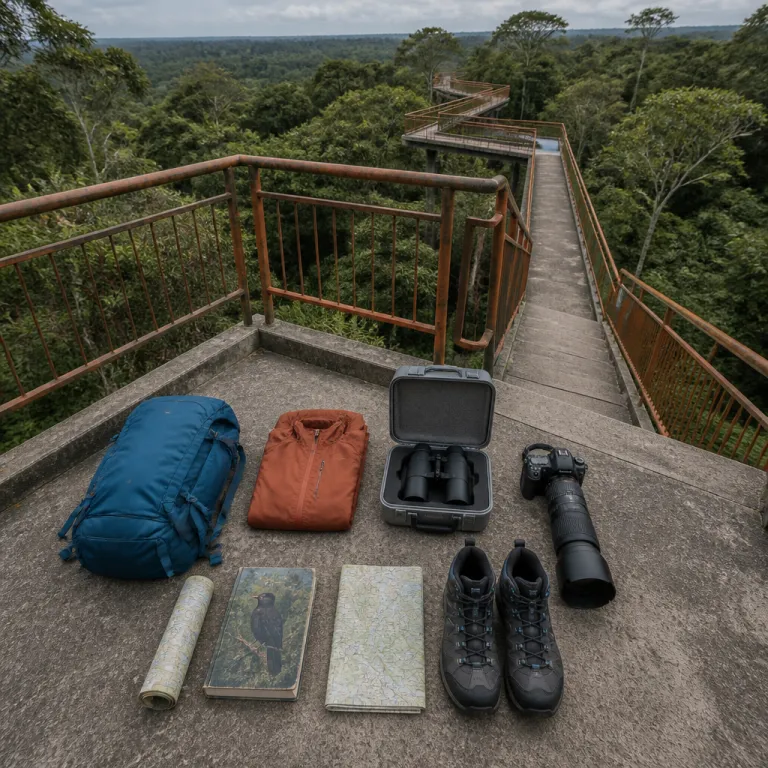
Guided walking tours and canopy walkway exploration use binoculars and field guides, and the park management recommends that people wear comfortable hiking shoes, bring insect repellent, and stay hydrated. One common question from guests is simple ; “What birds can be seen at Brownsberg ?” and the official answer remains clear ; “Species include toucans, parrots, and hummingbirds.” For luxury travelers used to polished lodge decks, this slightly rugged setup is still a strong option because the bird density compensates for the modest infrastructure.
When you plan your broader Suriname itinerary, brownsberg nature can anchor the “soft adventure” segment before you move to more remote resorts. If you are comparing a city river stay with a deeper interior lodge, use a detailed resource such as the Suriname resort guide for city, river, or interior stays to understand how brownsberg suriname fits into your sequence of activities Suriname. That way, the early birding hours here become a reference point rather than an isolated excursion.
Trails, waterfalls and canopy walkway: what the terrain really feels like
Most first time visitors hear about the waterfalls and imagine gentle strolls, yet the reality of each trail at brownsberg nature park Suriname is more physical. Paths to Irene Falls, Mazaroni Falls, and the leo waterfall drop steeply from the plateau, which means the return hike is a sustained climb in humid air. Fit people will manage these routes in a few hours, but anyone unused to heat should treat them as moderate challenges rather than casual walks.
The main road from brownsweg up to the plateau is unpaved and can be muddy, so your bus or 4x4 will likely crawl for the final stretch. Once on top, you reach the central area of this nature park where simple accommodation, the canopy walkway, and several trailheads cluster around viewpoints over brokopondo lake and the wider brokopondo district. From here, guided tours fan out towards the waterfalls, birding hotspots, and forest edges where the flora fauna shifts from secondary growth to older stands of rainforest.
The canopy walkway itself runs for about 100 meters and offers a rare mid level perspective on this part of South America’s Guiana Shield forest. Safety standards are taken seriously, and when guests ask “Is the canopy walkway safe ?” the official response is straightforward ; “Yes, it's regularly maintained for safety.” Because the walkway receives visitors throughout most days, you may want to time your visit for early morning or late afternoon to avoid bus tour crowds and to maximize wildlife activity.
After a full day on the trails, many travelers choose to return to the city Paramaribo for refined dining and more polished rooms. If you are planning that pattern, use a resource such as this guide to refined city stays in Paramaribo for discerning travelers to align your brownsberg suriname hike with a specific hotel style. That pairing of rugged day activities Suriname and elegant evening comfort is where the country’s hospitality really starts to make sense.
Logistics from Paramaribo: buses, meals and where to sleep
Reaching brownsberg nature park Suriname from Paramaribo is straightforward but benefits from planning. Most organized tours include a bus transfer from a central bus station or hotel pickup in the city Paramaribo, then follow the main road south through the brokopondo district towards brownsweg. The final climb to the plateau can be slow, so expect the total journey to take most of a morning on busy days.
Independent travelers sometimes arrange a private bus or 4x4 and coordinate directly with Brownsberg Nature Park management, whose équipe oversees park operations and maintenance. Day trip visitors usually bring their own breakfast lunch or rely on simple on site options, while overnight guests should confirm whether their package includes breakfast lunch and a basic lunch dinner. Because this nature reserve sits far from large supermarkets, you will not find many spontaneous gourmet options once you arrive.
Accommodation on the plateau is simple, with shared facilities and basic cabins that suit people who prioritize location over luxury. For travelers who prefer premium bedding and more curated service, the smarter option is often to treat brownsberg suriname as a long day tour and then return to a higher end property near brokopondo lake or back in Paramaribo. A detailed planning resource such as the accommodation guide for first time Paramaribo bookings helps you match your brownsberg nature excursion with a hotel that fits your comfort profile.
Families sometimes ask whether tours are suitable for children, and the official guidance is reassuring ; “Yes, but adult supervision is required.” That said, the combination of steep trail sections, tropical heat, and long bus days means you should be realistic about younger travelers’ stamina. If you are unsure, consider a shorter day tour focused on viewpoints and the canopy walkway rather than committing to all the waterfalls in one visit.
Designing a luxury forward itinerary around brownsberg
For a solo explorer who values both comfort and authenticity, brownsberg nature park Suriname works best as a calibration tool. Start with one or two days focused on birding, the canopy trail, and a single waterfall, then use that experience to decide how far into the interior you want to go. This approach turns brownsberg suriname into a reference point for your personal balance between wild nature and refined hospitality.
One effective pattern is to spend your first day in the city Paramaribo, adjusting to the climate and exploring wooden colonial streets before heading south. Then schedule a full day tour to this nature park with an early departure, a structured set of activities Suriname such as guided birding and a waterfall hike, and a return to a premium riverside or lakefront property near the brokopondo reservoir. From there, you can extend your stay with boat tours on brokopondo lake, visits to Maroon communities, or additional hikes that reveal more of the region’s flora fauna.
Because brownsberg nature receives visitors consistently, it also serves as a gentle introduction to Suriname hidden cultural layers. You will meet guides from the brokopondo district, hear stories about how the national park coexists with nearby villages, and see how local people use the road network and bus connections between brownsweg and Paramaribo. That context makes later journeys to more remote lodges feel less abstract and more grounded in the lived reality of South America’s only Dutch speaking country.
When you evaluate luxury and premium hotel options around Suriname, treat brownsberg suriname as the wilderness anchor that justifies your choice of higher end base. A polished resort stay feels different when you have mud on your boots from the leo waterfall trail and the sound of howler monkeys still in your ears. In that sense, the birding and canopy trail here are not just main attractions ; they are the experiences that quietly shape how you measure every other stay in the country.
FAQ
How difficult are the main trails and waterfalls at Brownsberg ?
The principal trails from the plateau down to waterfalls such as Irene Falls, Mazaroni Falls, and the leo waterfall are short in distance but steep and often muddy. Most reasonably fit people can complete a round trip in a few hours, yet the return climb in humid conditions can feel demanding. Good hiking shoes, plenty of water, and a realistic pace are essential for a comfortable day.
What are the best months and times of day for birdwatching ?
Bird activity at brownsberg nature park Suriname is strong throughout the year, with early morning always outperforming other periods. The most productive window runs from about 5:30 to 7:30, when mixed flocks move along the forest edge and the canopy walkway area. Late afternoon can also be rewarding, especially near viewpoints over brokopondo lake and along quieter sections of trail.
Can I visit Brownsberg as a day trip from Paramaribo ?
Yes, many tours operate as full day excursions from the city Paramaribo, using a bus or 4x4 to reach the plateau and returning in the evening. Travel time each way typically ranges from two to three hours depending on road conditions and traffic near brownsweg. This makes brownsberg suriname a practical option for travelers who prefer to sleep in more luxurious hotels in or near the capital.
Is the canopy walkway and park infrastructure suitable for children ?
The canopy walkway and central plateau area are generally suitable for children who are comfortable with heights and can follow safety instructions. Official guidance states that tours are suitable for children, but adult supervision is required at all times. Families should choose shorter routes, avoid the steepest waterfall trails on very hot days, and ensure everyone has water, snacks, and insect protection.
What should I bring for a comfortable yet refined Brownsberg experience ?
Pack lightweight hiking clothing, sturdy shoes, a headlamp for pre dawn birding, and quality binoculars to make the most of the birdlife. Add insect repellent, a refillable water bottle, and a compact field guide or birding app for quick identification on each trail. If you are returning to a premium hotel after your day in this nature reserve, consider a change of clothes so you can transition smoothly from jungle humidity to refined dining.