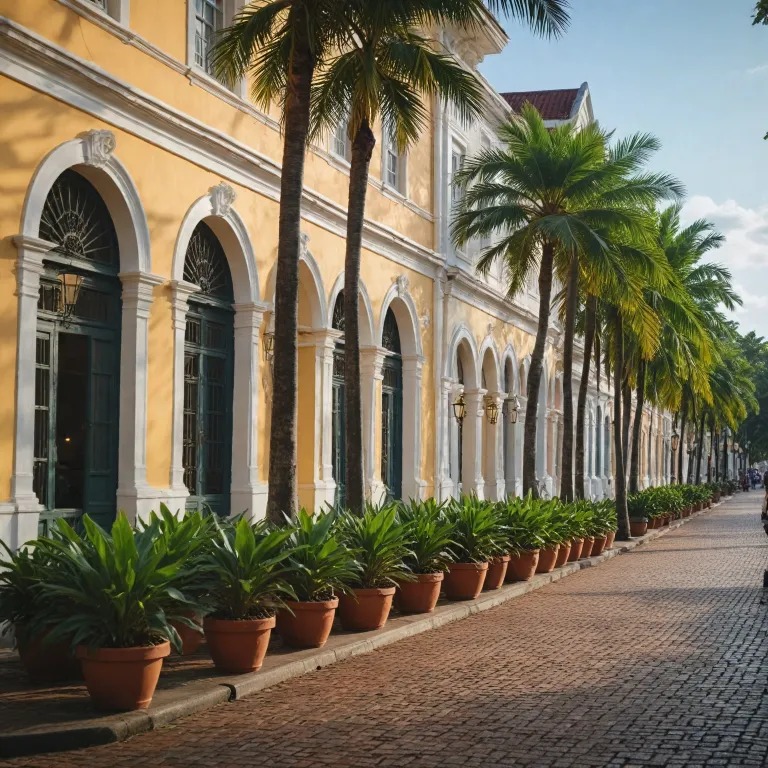
Paramaribo in Suriname as a refined gateway to South America
Paramaribo in Suriname offers a rare blend of relaxed charm and cosmopolitan energy for travelers who value comfort. The city of Paramaribo stands on the wide Suriname River, where the historic inner city meets modern districts and forms a graceful urban ribbon. As the Paramaribo capital and largest city, it concentrates much of the country’s population, business life, and cultural institutions.
This city Paramaribo setting shapes how you choose a luxury hotel, because river views, proximity to the inner city, and access to heritage streets all influence the stay. Paramaribo Suriname grew from a colonial town into a protected urban area, and the historic inner district is now a UNESCO heritage site with carefully preserved Dutch colonial wooden façades. The Suriname Tourism Foundation notes that the “historic inner city of Paramaribo is a UNESCO World Heritage site, recognized for its unique blend of European and local architectural elements.”
For travelers, this heritage site status means that a premium hotel in Paramaribo in Suriname is rarely just a place to sleep. Many properties sit within walking distance of the presidential palace, the central market, and the riverside promenade, where people gather in the evening breeze. When you edit your shortlist of hotels, consider how easily you can reach the Suriname River, the fort, and the main market area on foot.
The city’s multicultural history is visible everywhere, from the Neveh Shalom Synagogue and the nearby Shalom Synagogue complex to mosques, churches, and Hindu temples. African, East Indian, Javanese, Chinese, and European communities have shaped Paramaribo Suriname, and this diversity now enriches hotel dining, service styles, and guest experiences. Understanding this layered history helps you interpret location descriptions, evaluate value, and select a hotel that matches your expectations for refined travel in South America.
Historic inner city stays near fort Zeelandia and the Suriname River
Choosing a luxury hotel in the historic inner city of Paramaribo in Suriname places you at the heart of its layered story. This compact area along the Suriname River includes fort Zeelandia, the presidential palace, and streets lined with Dutch colonial houses that form a protected heritage site. Many premium hotels here balance modern comfort with views of the river, the fort, or the tree shaded squares of the old town.
When you compare properties in this city Paramaribo district, pay attention to walking distances and river orientation. A room facing the Suriname River can feel very different from one overlooking a busy market street, especially during festivals or football celebrations. Some travelers prefer a quieter inner courtyard, while others enjoy hearing the rhythm of people moving between the central market, the fort, and the riverside cafés.
The historic inner streets also connect quickly to the Neveh Shalom and Shalom Synagogue complex, which stands close to a mosque and illustrates the city’s religious tolerance. This part of Suriname Paramaribo reflects centuries of African, East Indian, and European presence, visible in both the architecture and the food stalls near the central market. For travelers who value context, staying here makes it easier to join guided walks that explain the city’s history, from colonial rule to independence.
To refine your choice, use a premium hotel comparison focused on Paramaribo in Suriname, such as this detailed guide to evaluating the best luxury stays in Paramaribo and beyond. These resources help you edit your shortlist by highlighting room sizes, river access, and service standards. They also clarify which hotels sit inside the UNESCO heritage site boundaries and which lie slightly outside, closer to residential neighborhoods or business districts.
Understanding culture, language, and service expectations in Paramaribo
Paramaribo in Suriname is officially Dutch speaking, yet daily life flows through several languages. Many people in the city Paramaribo area use Sranan Tongo, English, and other tongues alongside Suriname Dutch, especially in hotels, markets, and restaurants. This linguistic mix usually benefits travelers, because front desk teams and concierges are accustomed to international guests from South America, the Caribbean, Europe, and the United States.
When you send an email to a hotel in Paramaribo Suriname, you can generally write in English or Dutch and expect a clear reply. Professional properties respond promptly to email questions about room categories, river views, airport transfers, and late check out policies. If you do not receive an answer within a reasonable time, it can be a useful signal about service culture and attention to detail.
The multicultural population of Paramaribo in Suriname shapes hospitality in subtle ways. African, East Indian, Javanese, and Chinese influences appear in breakfast buffets, spa treatments, and even in how staff host families or football fans traveling for regional matches. On major match days, you may notice groups discussing a favorite football player in the lobby or watching international football in the bar, which can add a lively atmosphere.
Luxury and premium hotel booking websites in Suriname increasingly explain these cultural nuances, and a dedicated overview such as this article on elevating your stay through curated booking platforms can be helpful. These guides often highlight which properties are closest to the inner city, the central market, or the riverside promenade. They also clarify whether a hotel leans more toward business travelers, leisure guests, or people combining both, which matters when you want a calm environment after exploring Suriname Paramaribo.
Location choices: riverfront elegance, market energy, or quiet residential streets
Paramaribo in Suriname offers three broad location styles for luxury and premium stays. First, riverfront hotels along the Suriname River provide expansive views, cooling breezes, and easy access to the historic inner city and fort Zeelandia. These properties suit travelers who want to feel the city’s history and watch boats move between the town and upriver communities.
Second, hotels near the central market and main commercial streets place you close to everyday life in Paramaribo Suriname. Here, people from across the wider area come to buy produce, textiles, and household goods, creating a lively atmosphere from early morning. This setting can be ideal if you enjoy stepping directly from your hotel into the flow of the city Paramaribo, especially when you want to sample street food or observe how African and East Indian traditions shape local cuisine.
Third, some premium properties sit in quieter residential neighborhoods slightly away from the historic inner core. These hotels often attract guests who prioritize calm, larger rooms, and easy car access over immediate proximity to the fort or the presidential palace. They can work well for longer stays, remote work, or trips where you plan day excursions beyond Suriname Paramaribo into the interior.
When you edit your shortlist, consider how you will move between these zones. Taxis and ride services are widely used, but walking distances in the tropical climate can feel longer than the map suggests, especially during the wet season. For multi country itineraries that include Guyana, you may also compare elegant stays in Georgetown using resources such as this guide to elegant hotels in Georgetown for discerning travelers, then align your Paramaribo in Suriname choices with your broader South America route.
Evaluating amenities, heritage, and safety on premium booking platforms
When booking a luxury hotel in Paramaribo in Suriname, it helps to evaluate amenities through the lens of the city’s climate and heritage. With average high temperatures around 30 °C and significant rainfall, a reliable air conditioning system, shaded pool area, and thoughtful indoor spaces become more than simple extras. Many premium hotels near the Suriname River also design terraces and lounges to capture breezes while protecting guests from sudden showers.
Because the historic inner city is a UNESCO heritage site, some buildings face restrictions on structural changes. This can influence elevator placement, room sizes, or how a hotel integrates modern facilities into Dutch colonial architecture. When you read descriptions on booking platforms, look for clear explanations of how the property balances preservation with comfort, especially in older town houses near fort Zeelandia or the presidential palace.
Safety and security are central concerns for people choosing a hotel in any city Paramaribo district. Reputable properties describe their security measures, lighting, and front desk coverage, and they often provide guidance about walking routes between the hotel, the central market, and the riverside. In Paramaribo Suriname, many guests feel comfortable walking in the main protected area during early evening, but it remains wise to follow local advice from hotel staff.
Premium booking websites focused on Suriname Paramaribo increasingly highlight these details, along with accessibility features and family friendly services. They may also indicate whether a property attracts more business travelers, leisure couples, or groups such as football supporters visiting from neighboring countries. By combining this information with independent reviews, you can edit your options and select a hotel that aligns with your expectations for both comfort and cultural immersion in Paramaribo in Suriname.
Practical booking tips for Paramaribo in Suriname: communication, timing, and context
Effective communication with your chosen hotel in Paramaribo in Suriname begins before you confirm the reservation. Use email to clarify room location, bed configuration, and whether you will have a view of the Suriname River, the inner city, or a quieter residential area. A prompt, detailed reply from the hotel team in Dutch or English usually signals strong service standards and attention to guest needs.
When planning dates, consider local events that may affect availability and atmosphere in Paramaribo Suriname. National celebrations, major football matches, and cultural festivals can fill hotels near the central market, the fort, and the presidential palace, especially in the historic inner district. During such periods, some travelers prefer to stay slightly outside the busiest streets, while others enjoy being close to the heart of the city Paramaribo celebrations.
Context also matters when interpreting room rates and promotions on booking platforms. Properties within the UNESCO heritage site or directly on the Suriname River often command higher prices than hotels farther inland, reflecting both location and building character. At the same time, newer hotels in less historic parts of Suriname Paramaribo may offer larger rooms, modern layouts, and convenient parking, which can be valuable for longer stays.
Finally, remember that Paramaribo in Suriname is a multicultural capital where African, East Indian, Javanese, and European influences shape daily life. This diversity enriches hotel dining, from breakfast buffets near the Neveh Shalom and Shalom Synagogue area to riverfront restaurants serving regional dishes. By aligning your booking choices with this cultural and geographic context, you can enjoy a stay that feels both comfortable and deeply connected to the character of Paramaribo capital and its surrounding city area.
Key statistics about Paramaribo in Suriname
- The wider Paramaribo in Suriname urban area is home to an estimated 252 581 people, making it the country’s largest city and primary economic center.
- Average high temperatures in Paramaribo Suriname are close to 30 °C throughout the year, which makes air conditioned hotel rooms and shaded outdoor spaces especially valuable.
- The city Paramaribo experiences around 2 400 mm of annual rainfall, so travelers should consider properties with covered walkways, reliable drainage, and flexible indoor amenities.
Questions travelers often ask about Paramaribo in Suriname
What is the significance of Paramaribo’s historic inner city for hotel guests ?
The historic inner city of Paramaribo in Suriname is a UNESCO heritage site, which means many buildings are protected for their unique blend of European and local design. For hotel guests, staying in or near this area offers immediate access to Dutch colonial streets, the Suriname River promenade, fort Zeelandia, and landmarks such as the presidential palace. It also places you close to markets, restaurants, and religious sites like the Neveh Shalom Synagogue and nearby Shalom Synagogue, creating a stay that combines comfort with cultural depth.
What is the climate like in Paramaribo and how does it affect hotel choice ?
Paramaribo in Suriname has a tropical rainforest climate with consistently warm temperatures and high humidity. Average highs around 30 °C and annual rainfall of about 2 400 mm mean that air conditioning, good ventilation, and thoughtful indoor common areas are important when choosing a hotel. Riverfront properties along the Suriname River may benefit from breezes, while hotels in the inner city often focus on shaded courtyards and well insulated rooms to keep guests comfortable.
Which industries shape business travel to Paramaribo in Suriname ?
Paramaribo Suriname functions as the business and financial hub of the country, with industries such as manufacturing of paint, margarine, cement, and beer playing a significant role. Many business travelers stay in hotels close to government offices, banks, and corporate headquarters in the city Paramaribo area. Premium properties serving this segment typically offer strong Wi Fi, meeting rooms, and efficient transport links, which can also benefit leisure travelers who value reliable infrastructure during their stay in Suriname Paramaribo.