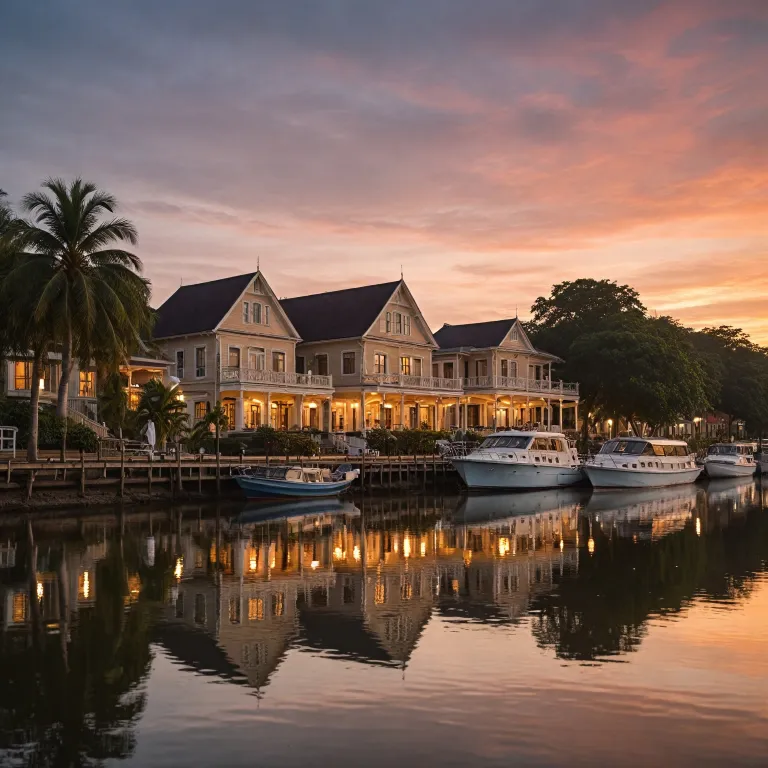
Paramaribo elegance for discerning travelers in Suriname
In the Suriname capital Paramaribo, luxury travel begins along the Suriname River, where historic streets meet refined modern comfort. This city offers premium hotels that frame river views, Dutch colonial facades, and the vibrant rhythm of a diverse population in one elegant setting. For travelers who value atmosphere as much as amenities, Paramaribo Suriname combines heritage, service, and calm urban energy in a uniquely balanced way.
The city Paramaribo is the political and cultural heart of the republic Suriname, and its role as capital shapes the hotel landscape. Close to the presidential palace and the national assembly, many premium properties cater to diplomats, executives, and leisure guests who expect discretion and efficiency. These travelers move between government meetings, riverside dinners, and curated excursions, relying on hotels that understand both protocol and pleasure.
Paramaribo’s inner city, recognized as a UNESCO heritage site, anchors the most atmospheric luxury addresses. Here, Dutch colonial wooden houses stand beside contemporary buildings, and high end hotels often occupy carefully restored structures that respect the original area layout. Guests can step from polished lobbies directly into streets where the Surinamese past and present coexist, with the Suriname River never far from view.
Staying near the inner city and Dutch colonial heritage
Choosing a premium hotel near the inner city places guests within walking distance of the most important Dutch colonial landmarks. The UNESCO heritage status reflects how the city Paramaribo blends European planning with tropical materials, and many luxury properties echo this in their design. Wooden verandas, high ceilings, and shaded courtyards create a sense of place that international chains sometimes struggle to match.
From these hotels, guests can easily reach Fort Zeelandia, the presidential palace, and the national assembly, which together illustrate the evolution from colonial rule to the modern government of the republic Suriname. The fort and the palace face the Suriname River, and several high end rooms and suites frame these views as a daily backdrop. Watching the river traffic at sunrise or dusk becomes part of the stay, connecting travelers to the city’s maritime history.
The inner city also offers quick access to riverside promenades and the main commercial streets, where Surinamese, Javanese, Hindustani, and Maroon influences shape daily life. Luxury hotels in this area often arrange private guided walks that explain how Dutch colonial policies, indentured labourers, and regional trade with the kingdom Netherlands and French Guiana shaped the current population. Guests gain context for the architecture they admire, understanding how each street reflects a different chapter in Paramaribo Suriname.
Riverside luxury and access to nature reserves
Many travelers choose the Suriname capital Paramaribo as a refined base before exploring remote nature reserves in the interior. Premium hotels along the Suriname River specialize in seamless logistics, arranging transfers, guides, and riverboats that link city comfort with rainforest adventures. This combination allows guests to enjoy spa treatments and fine dining before or after days spent in more rustic surroundings.
Riverside properties often highlight the Suriname River as their main natural asset, with terraces, pools, and restaurants oriented toward the water. At night, the lights of the city Paramaribo reflect on the river, while during the day guests watch cargo vessels, small ferries, and fishing boats move between the capital and other parts of the country. The river connects Paramaribo Suriname to the wider landscape of South America, reinforcing the city’s role as both gateway and destination.
Concierges at these hotels frequently curate excursions that combine cultural and natural experiences, such as visiting a nearby nature reserve after a morning tour of the inner city. Guests learn how Surinamese environmental policy, national park management, and the work of the national government intersect with tourism development. This context helps travelers appreciate why certain areas remain protected, and why responsible luxury travel in the republic Suriname must respect both river ecosystems and forest communities.
Understanding Paramaribo’s history, politics, and hotel demand
To choose the right premium hotel in the Suriname capital Paramaribo, it helps to understand how history and politics shape demand. The city grew under Dutch colonial administration, and its role as capital intensified after independence from the kingdom Netherlands, when the republic Suriname consolidated institutions in the inner city. This concentration of power means that many high end hotels serve visiting delegations, investors, and international organizations.
Key government buildings, including the presidential palace and the national assembly, sit close to Fort Zeelandia, forming a compact political area that influences where luxury properties cluster. Historical figures such as former president Bouterse remain part of public memory, and political developments can affect when the city Paramaribo experiences peaks in official travel. Hotels that understand protocol, security needs, and multilingual service are therefore particularly valued by embassies and corporate clients.
Paramaribo’s population, estimated at more than 250,000 people, also drives domestic demand for premium stays during weddings, conferences, and national celebrations. Surinamese guests often seek properties that respect local customs while offering international standards, from halal options to vegetarian menus reflecting the country’s Indian and Javanese heritage. In this context, luxury hotels become meeting points where the Suriname Dutch speaking elite, English speaking business travelers, and regional visitors from French Guiana and beyond share the same refined spaces.
Practical booking strategies for luxury stays in Paramaribo
When booking a premium hotel in Paramaribo Suriname, travelers should first consider location relative to the inner city and the Suriname River. Properties near the UNESCO heritage streets and the fort Zeelandia complex suit guests focused on culture, while riverside resorts appeal to those prioritizing views and relaxation. Both areas offer quick access to the main business district, but walking times and traffic patterns can differ during peak hours.
Arrival logistics also matter, since most international visitors land at the main international airport outside the city. Many luxury hotels provide private transfers, which can be more comfortable than standard taxis after a long flight into the country. Confirming this service during booking, along with early check in or late check out options, helps align hotel schedules with flight times and meetings in the city Paramaribo.
For travelers comparing properties, independent reviews and specialized guides to premium hotels in Suriname can be particularly useful. Resources such as top rated premium hotels in Suriname provide curated overviews of service levels, room categories, and guest experiences. Combining these insights with direct communication with hotel staff allows guests to clarify details about river views, proximity to the presidential palace, or tailored excursions to nearby nature reserves.
Culture, language, and the character of luxury in Suriname
The character of luxury in the Suriname capital Paramaribo reflects the country’s layered cultural history and multilingual society. In daily life, Suriname Dutch functions as the main administrative language, while Sranan Tongo, English, and other tongues flow through markets and hotel lobbies. Premium properties that train staff to move gracefully between these languages create a more intuitive experience for international guests.
Within the inner city, Dutch colonial buildings stand beside mosques, temples, and churches, illustrating how indentured labourers and migrants reshaped the population after the end of slavery. Luxury hotels often reference this diversity through culinary programs that feature Javanese, Hindustani, Creole, and Maroon dishes alongside European classics. Guests can dine on riverfront terraces while learning how trade with French Guiana and other parts of South America influenced ingredients and techniques.
Paramaribo’s role as capital of the republic Suriname also means that national events, from cultural festivals to parliamentary sessions in the national assembly, subtly influence hotel atmospheres. During major occasions, lobbies may fill with Surinamese officials, international observers, and business leaders discussing policy, investment, and regional cooperation with the kingdom Netherlands. In these moments, the Suriname capital Paramaribo feels less like a small city and more like a strategic meeting point on the Suriname River, where history, governance, and hospitality converge.
Key statistics about Paramaribo and its surroundings
- The estimated population of Paramaribo is approximately 252,581 people.
- The average annual rainfall in the city Paramaribo is around 2,400 mm.
- The average high temperature in Paramaribo Suriname is close to 30 °C.
Essential questions for planning a luxury stay in Paramaribo
What is the population of Paramaribo?
As of 2025, the estimated population is approximately 252,581 people.
Why is Paramaribo's inner city a UNESCO World Heritage site?
Due to its well-preserved Dutch colonial architecture and unique blend of European and local elements.
What are the main industries in Paramaribo?
The city is the business and financial center of Suriname, with revenues from gold, oil, bauxite, rice, and tropical wood channeled through its institutions.