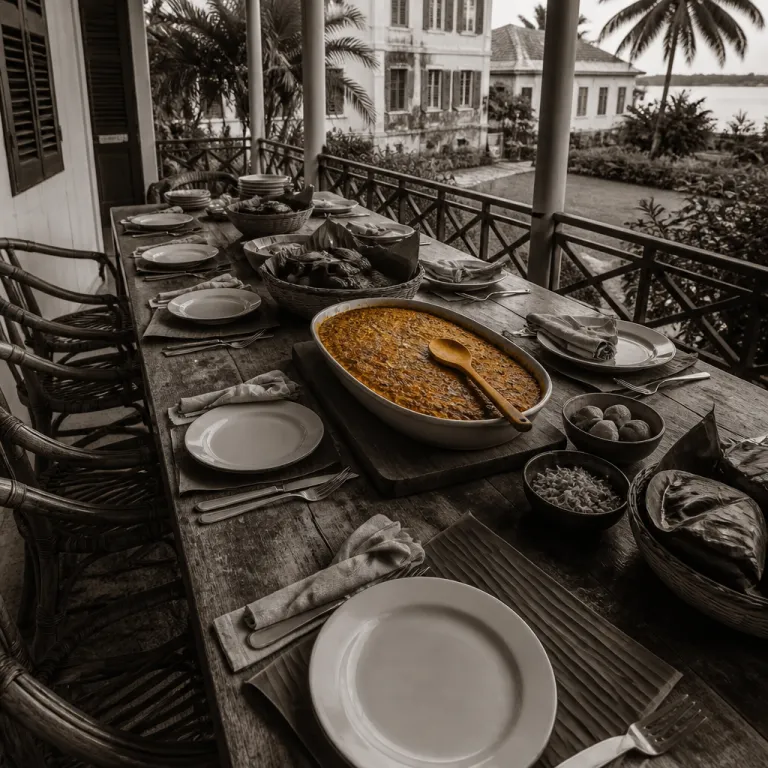
How one oven dish carries Suriname’s layered history
Pom is the pom Suriname dish that locals bring out when life feels significant. This golden oven dish folds Jewish plantation history, Afro Surinamese resilience and Creole celebration into one family pan. For a visiting family choosing a luxury hotel in Suriname, understanding this single dish unlocks the country’s wider story.
The classic pom recipe began when Portuguese Jewish plantation owners in Suriname wanted a familiar potato casserole dish but could not source enough potato. They turned to pomtajer, the grated root of the arrowleaf elephant ear plant, and layered it with chicken, citrus juice and a tomato base in a deep casserole dish that could cook slowly for minutes in a wood fired oven. Over time, Afro Surinamese cooks, Hindustani neighbors and Javanese traders each added their own tsp spice preferences, from paprika powder to extra chopped herbs, until pom quietly became the national dish of the Creole community.
Today, when a Surinamese family says there will be pom at a gathering, they mean a full table where everyone will eat well and linger. The dish Suriname families serve at birthdays, weddings and funerals is still this same oven dish, usually baked in a large oven dish or metal pan, then sliced into generous squares. For travelers staying in premium hotels along Paramaribo’s riverfront, asking where to taste a home style pom Suriname dish is as essential as booking a river cruise or jungle excursion.
What pom tastes like and how families actually eat it
At first glance, pom looks like a simple baked dish, but the flavor is layered and quietly addictive. The grated pomtajer on top turns crisp at the edges while staying soft inside, soaking up chicken stock, citrus juice and the fat from the chicken itself. Underneath, a rich base of chopped tomatoes, add onions and sometimes salt meat or smoked beef gives the dish Suriname depth that feels both Caribbean and European.
In a traditional Surinamese kitchen, the cook will add a splash of citrus juice and maybe a spoon of coconut milk to the mixing bowl of grated pomtajer, then well add a measured tbsp sugar, a teaspoon of paprika powder and enough salt pepper to balance the sweetness. They stir well, then add this mixture over a layer of browned chicken pieces that were first seared in olive oil or tablespoons olive spread, after taking time to cook onions until they are soft and slightly caramelized. The result is a national dish that tastes like roast chicken, creamy gratin and slow cooked casserole dish all at once, with a faint tang from the citrus and a gentle warmth from the tsp spice blend.
Families rarely eat pom alone ; they usually pin a slice into a soft bread roll, turning the pom Suriname dish into a hearty sandwich for Sunday lunch. Others serve it with rice, pickled vegetables and a glass of fresh juice, often orange or passion fruit. When you sit down in a small Paramaribo eatery and see both individual pom portions and larger oven dish trays ready for takeaway, you are looking at how this national tradition fits into modern city minutes between church, football and the river breeze.
For a deeper street level context on where pom sits alongside Javanese noodles and satay, plan a Blauwgrond warung crawl before or after your first family pom lunch. Children quickly notice how one Jewish inspired casserole dish now shares the table with Indonesian style soups, Hindustani curries and Afro Surinamese stews. That contrast is exactly what makes eating in Suriname feel like a living history lesson rather than a museum tour.
From plantation tables to hotel menus: pom’s journey to the city
Tracing pom from plantation kitchens to today’s hotel buffets explains why this single dish Suriname story matters for travelers. On the plantations, Jewish owners asked cooks to recreate a European potato oven dish, but the cooks had to adapt with local grated roots, local tsp spice and local chicken. Over generations, Afro Surinamese women became the quiet authorities on the pom recipe, adjusting minutes in the oven dish and the balance of citrus juice, chicken stock and chopped aromatics until the texture felt exactly right.
In Paramaribo now, you will see pom in several forms, from generous trays in family run warungs to refined versions in riverfront hotel dining rooms. Some chefs keep the national dish close to its roots, layering bone in chicken over a base of add onions, tomato and paprika powder, then topping it with a thick blanket of grated pomtajer mixed in a large mixing bowl with olive oil, tbsp sugar and a careful teaspoon of salt pepper. Others experiment with vegan chicken or fully vegan versions, using coconut milk, extra tablespoons olive oil and vegetable stock instead of chicken stock, yet still serving the pom Suriname dish alongside crusty bread and bright salads.
For families booking premium stays through mysurinamestay.com, the smartest strategy is to use your hotel as a base, not the only dining room. Read our broader guide on culinary inspirations for luxury stays in Suriname, then ask your concierge which nearby addresses serve pom on Sundays or during celebrations. A good property will not just offer a mild hotel version of the dish ; it will happily pin a map to the wall and send you to a grandmother run kitchen where the casserole dish has seen decades of birthdays.
Where families should actually eat pom around Paramaribo
Luxury in Suriname is not only about thread counts ; it is about being pointed to the right family tables. In Paramaribo, the most memorable pom often appears in modest looking eateries within a short taxi ride of the main hotels, where a single oven dish can feed an entire neighborhood. Ask your concierge for a place where the cook still uses a heavy casserole dish, takes the time to cook onions slowly and lets the grated pomtajer mixture rest in the mixing bowl for several minutes before baking.
In the historic center, some upscale restaurants now feature a refined pom Suriname dish as part of a tasting menu, pairing it with citrus juice based cocktails or fresh sugarcane juice for adults and milder fruit juice for children. These kitchens tend to measure every tbsp sugar, teaspoon of paprika powder and tsp spice with precision, sometimes finishing the dish with a drizzle of olive oil or tablespoons olive oil infused with herbs. While these plates are elegant, they are best understood after you have shared a more rustic national dish version in a Creole or Afro Surinamese home style restaurant, where the chicken pieces are larger, the salt pepper seasoning is bolder and the slices arrive almost too hot to touch.
Families who prefer plant forward eating can ask ahead for vegan or vegan chicken interpretations, which many younger Surinamese chefs now prepare on request. They will often replace chicken stock with vegetable broth, enrich the grated pomtajer with coconut milk and add extra chopped vegetables to the base, then stir well before baking. Children usually care less about the recipe label and more about whether they can pin a second helping into their bread roll, so do not hesitate to well add a shared plate to the table even if everyone orders different mains.
To align your tastings with quieter days in the city, consider planning around one of the wellness retreat windows in Suriname, when hotels are calmer and restaurant staff have more time to talk. That slower rhythm lets you ask cooks about their family pom recipe, how many minutes they bake it and whether their grandmother used potato or only pomtajer. These conversations turn a simple dish into a bridge between your family and theirs.
How to order, share and talk about pom like a local
Once you know that pom is the unofficial national dish of the Creole community, you can start reading menus and conversations differently. When a Surinamese host mentions serving pom for a gathering, they are signaling a full table, not a quick weekday dish. For a visiting family, learning a few details about the recipe and the way people cook it shows respect and often leads to extra stories at the table.
When you see pom listed, ask whether it is made with chicken, salt meat or a vegan chicken alternative, and whether the cook uses coconut milk or only citrus juice and chicken stock for richness. If you are sensitive to sweetness, you can politely ask how much tbsp sugar they usually add to the grated pomtajer in the mixing bowl, or whether they balance it with extra tsp spice, paprika powder or chopped herbs. Most cooks are proud of their oven dish and will happily explain why they prefer a certain casserole dish, how long they cook onions before layering and whether they finish with a drizzle of olive oil or a few tablespoons olive oil for shine.
Sharing etiquette is simple ; pom is meant to be passed around. Order one large portion for the table, let everyone pin a slice onto their plate or into bread and then see who reaches for seconds within minutes. If you compliment the cook specifically on the texture of the grated top, the balance of salt pepper or the way the juice from the chicken has soaked into the base, you will often be rewarded with a quick tour of the kitchen or at least a smile that says you have understood something essential about Suriname.
FAQ
Is pom always made with chicken in Suriname ?
Most traditional pom in Suriname is made with chicken layered between a seasoned onion tomato base and grated pomtajer, then baked in an oven dish. Some cooks also add salt meat or smoked beef for extra depth. In Paramaribo today, you can increasingly find vegan and vegan chicken versions that keep the same structure but replace chicken stock with vegetable broth.
How long does it take to cook a traditional pom Suriname dish ?
Home cooks usually allow several minutes for each stage of the recipe, from browning the chicken to softening the chopped onions. Once assembled in a casserole dish, pom often bakes for around an hour or more, until the top is golden and the juice bubbles at the edges. The exact duration depends on the size of the oven dish and the cook’s preferred texture.
Where should a visiting family go to eat authentic pom in Paramaribo ?
The most characterful pom is often found in small Creole and Afro Surinamese eateries rather than only in hotel restaurants. Ask your luxury hotel concierge for a nearby place where locals order pom for Sunday lunch or celebrations, and look for large trays resting on the counter. Some upscale dining rooms also serve refined versions, but they are best enjoyed after you have tried a more rustic national dish first.
What does pom taste like to someone new to Surinamese food ?
Pom tastes like a cross between roast chicken, creamy gratin and slow cooked casserole, with a gentle tang from citrus juice and a hint of sweetness from a little tbsp sugar. The grated pomtajer top becomes crisp at the edges while staying soft inside, soaking up chicken stock and spices. Many visitors find it comforting and familiar, even if they have never eaten Surinamese food before.
Can people with dietary restrictions enjoy pom in Suriname ?
Travelers who avoid meat can look for vegan or vegan chicken interpretations, which replace chicken with plant based protein and use coconut milk or vegetable stock. Those who need to manage sugar intake can ask cooks to reduce the tbsp sugar in the grated topping or balance it with extra tsp spice and paprika powder. As with many Surinamese dishes, flexibility is common when you ask kindly and explain your needs.