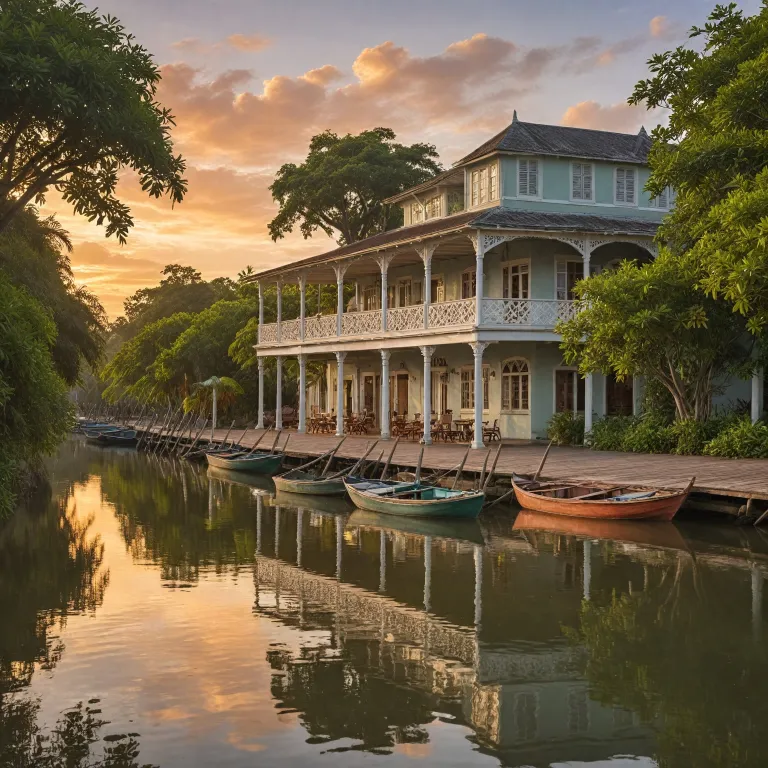
Paramaribo paramaribo as a refined gateway to Suriname
Paramaribo paramaribo offers a sophisticated entry point into Suriname for travelers who value comfort. The capital city Paramaribo stretches along the Suriname River, where colonial streets, riverside promenades, and elegant hotel options create a distinctive sense of place. In this city, people seeking premium stays can balance heritage, relaxation, and access to the wider region of South America.
The historic inner city Paramaribo, recognized as a UNESCO heritage area, is central to understanding how luxury and premium hotels integrate with local culture. Many hotel properties sit near the Suriname River and the Waterkant, allowing guests to walk from their room to the riverfront in a few minutes. This proximity to the river and the inner city gives visitors a chance to appreciate Dutch colonial facades, the Presidential Palace, and Fort Zeelandia during the same day.
Paramaribo Suriname has a tropical climate, with warm temperatures and high humidity that shape how hotels design rooms and shared spaces. Upscale properties often emphasize shaded courtyards, efficient air conditioning, and pools that frame views of the Suriname River or the green edges of town. When you book a hotel in the city Paramaribo, it is worth checking how the property manages climate comfort, from room insulation to quiet cooling systems.
The Surinamese capital is also a living city, not just a preserved historic inner district. Markets, football player fan culture, and riverside cafés along the Waterkant bring together people from different backgrounds, speaking Suriname Dutch and other languages. This mix of daily life and heritage means that a luxury stay in Paramaribo paramaribo is always connected to the rhythms of a real town rather than an isolated resort.
Historic inner city stays near Fort Zeelandia and the Presidential Palace
Staying in or near the historic inner city allows guests to experience Paramaribo paramaribo at its most atmospheric. The area around Fort Zeelandia, the Presidential Palace, and the Suriname River concentrates many of the city’s most important colonial landmarks. Here, hotel choices range from intimate premium properties in restored wooden houses to larger riverfront addresses with more extensive facilities.
Fort Zeelandia and the nearby Presidential Palace anchor the narrative of Suriname’s colonial and postcolonial history. From many hotels in this part of the city Paramaribo, you can walk to the fort in less than a quarter of an hour and then continue along the Waterkant. This riverside stretch offers views of the Suriname River, glimpses of passing boats, and access to casual food stalls where Surinamese specialties reflect influences from Asia, Africa, and Europe.
The Shalom Synagogue and nearby religious sites underline how Paramaribo Suriname developed as a plural city over several centuries. Guests who choose a hotel in the historic inner district can easily visit the Shalom Synagogue in the morning, explore the central market at midday, and return to the riverfront by late afternoon. This compact layout makes it simple to plan a day that combines culture, food, and relaxation without long transfers across town.
Because the historic inner city is a UNESCO heritage zone, many properties must respect strict guidelines when they renovate colonial buildings. Travelers should look for hotels that clearly explain how they preserve original wooden structures while updating safety, comfort, and climate control. When listings mention that information was updated recently, such as “updated Dec” or another month, it signals that room descriptions, services, and rates reflect the current year rather than outdated conditions.
Riverside elegance along the Suriname River and Waterkant
The Suriname River defines much of the character of Paramaribo paramaribo, especially for travelers who value scenic views. Many premium hotels position themselves close to the riverbank, where guests can watch the light change over the water from early morning until late evening. This riverside setting also moderates the climate slightly, with breezes that soften the tropical heat of Suriname.
Along the Waterkant, the city Paramaribo reveals a relaxed yet lively rhythm that appeals to both locals and visitors. People gather here to share Surinamese food, talk about the latest football player performances, and enjoy the riverfront atmosphere. Choosing a hotel within walking distance of the Waterkant allows you to move easily between refined hotel spaces and the informal charm of street life in Paramaribo Suriname.
Some riverside hotels highlight their proximity to the Suriname River with terraces, pools, or restaurants that face the water. When you evaluate these properties, pay attention to how they describe river views, noise levels, and access to the town center. A well located hotel can offer calm nights, quick access to the historic inner district, and convenient transport to other parts of Suriname, including excursions further into South America.
Because the riverfront is a prime area, room categories and prices can vary significantly between hotels that appear close on a map. It is wise to compare how each property presents its facilities, from spa services to food options, and to check whether details have been updated recently. For deeper insight into premium options along the Suriname River and across the city, you can consult specialized resources such as Suriname luxury hotel reservations and premium hospitality guides.
Culinary experiences, markets, and Surinamese culture around your hotel
Food is central to the experience of Paramaribo paramaribo, and hotel guests quickly notice the city’s culinary diversity. Surinamese cuisine blends influences from Indigenous communities, Africa, India, Java, China, and Europe, especially Suriname Dutch traditions. Many premium hotels in the city Paramaribo now curate restaurant menus that highlight this mix, pairing local ingredients with refined presentation.
Venturing beyond the hotel, the central market is one of the most vivid places to understand daily life in Paramaribo Suriname. Here, people from different neighborhoods and nearby town communities come to buy fresh produce, spices, and prepared food. The market’s location near the Suriname River and the historic inner district makes it easy to include in a half day itinerary that also covers the Waterkant and Fort Zeelandia.
Some hotels organize guided food walks that lead guests through the central market, riverside stalls, and small eateries in the inner city. These experiences often include tastings of Surinamese dishes, explanations of how the tropical climate shapes local agriculture, and insights into how Suriname Dutch words appear in everyday food vocabulary. When evaluating such offers, check whether the information is clearly updated and whether the guide has strong knowledge of both history and contemporary culture.
Even if you prefer to explore independently, it is helpful to ask hotel staff for current recommendations, as restaurant scenes can change within a year. Staff members who live in the city Paramaribo often know which places have recently improved their menus or service. Their suggestions can lead you to riverside terraces, inner city cafés, or quieter spots in town where you can enjoy a meal after visiting the Presidential Palace or the Shalom Synagogue.
Practical booking insights for premium hotels in Paramaribo Suriname
Booking a luxury or premium hotel in Paramaribo paramaribo requires attention to details that go beyond star ratings. Because the city lies only a few meters above sea level along the Suriname River, climate and infrastructure considerations matter for comfort and safety. Guests should review how each hotel manages drainage, power reliability, and cooling systems, especially during the wettest periods of the year.
Location is another key factor when comparing hotels in the city Paramaribo, whether you prefer the historic inner district, the Waterkant, or quieter residential areas. Properties near Fort Zeelandia, the Presidential Palace, and the central market offer immediate access to major sights but may experience more street noise. Hotels slightly away from the busiest streets can provide calmer nights while still keeping you within a short taxi ride of the Suriname River and main attractions.
Travelers from the United States and other long haul markets should also consider transfer logistics from Johan Adolf Pengel International Airport. The route from the airport into Paramaribo Suriname passes through areas such as Zorg en Hoop, where some smaller airstrips and residential zones are located. When you book, check whether your hotel offers airport transfers, and verify that the information has been updated recently, sometimes noted as updated Dec or another month.
Reviews that mention specific details about room size, water pressure, Suriname Dutch or English language skills of staff, and food quality are especially useful. Look for comments that describe how the hotel handled unexpected issues, such as climate related disruptions or changes in river conditions. Such feedback helps you gauge not only the physical quality of the property but also the professionalism and responsiveness of the team hosting people from Suriname and abroad.
Cultural context, language, and heritage for discerning guests
Understanding the cultural context of Paramaribo paramaribo enriches any premium stay and informs more thoughtful booking choices. The city’s status as the capital of Suriname means it concentrates political institutions, cultural venues, and a population of more than two hundred fifty thousand people. This density supports a varied hotel scene, from riverside addresses near the Suriname River to properties in quieter town districts.
Suriname Dutch is widely spoken in the city Paramaribo, alongside Sranan Tongo and several other languages. Most hotels that cater to international guests also provide service in English, especially for visitors from the United States and other parts of South America. When you evaluate a hotel, it is useful to confirm language options, particularly if you plan to arrange guided visits to the historic inner district, Fort Zeelandia, or the Shalom Synagogue.
The UNESCO heritage designation for the historic inner city reflects a long process of collaboration between Surinamese authorities and international partners. “Why is Paramaribo's historic center significant? It showcases a fusion of Dutch colonial architecture with local materials and techniques, reflecting the city's multicultural heritage.” This recognition encourages hotels in and around the inner city Paramaribo to respect architectural guidelines while still offering modern comforts to guests.
For travelers interested in sport and contemporary culture, football player stories and local leagues provide another lens on daily life in Paramaribo Suriname. Hotel concierges can often point you toward stadiums or neighborhood pitches where you can watch a match and meet people from different parts of town. Combining such experiences with visits to the Presidential Palace, the central market, and riverside walks along the Waterkant creates a balanced view of Suriname that goes beyond the walls of any single hotel.
Planning your ideal day in Paramaribo’s inner city and beyond
Designing a well paced day in Paramaribo paramaribo helps you make the most of a premium stay. Many guests begin with an early walk along the Suriname River, when the climate is still relatively cool and the Waterkant is just starting to wake up. From there, it is easy to move into the historic inner district, where colonial buildings, the Presidential Palace, and Fort Zeelandia frame the city’s story.
Late morning is an ideal time to visit the central market, where people from Paramaribo Suriname and nearby town communities gather. You can sample Surinamese snacks, observe how vendors use Suriname Dutch and other languages, and purchase local spices or coffee. Returning to your hotel around midday allows you to rest, enjoy the pool, or have lunch at a property restaurant that highlights regional food.
In the afternoon, consider exploring religious and cultural sites such as the Shalom Synagogue and nearby churches or temples. Many hotels in the city Paramaribo can arrange guided tours that explain how different communities shaped Suriname over several centuries. As the day cools, a final walk along the Waterkant or a short boat trip on the Suriname River offers a calm way to reflect on the city’s blend of colonial heritage and contemporary life.
When planning multi day stays, some travelers combine time in Paramaribo’s inner city with excursions to other parts of Suriname and South America. Hotel staff can help coordinate trips that respect your preferred pace, whether you focus on culture, nature, or sport such as watching a local football player match. By aligning your itinerary with the city’s rhythms and the tropical climate, you can appreciate Paramaribo paramaribo as both a comfortable base and a rich cultural destination.
Key statistics about Paramaribo and its context
- Estimated population of Paramaribo : approximately 252,581 people.
- Average elevation of the city : around 3 meters above sea level.
- Average annual rainfall in Paramaribo : about 2,135 mm.
Questions travelers often ask about Paramaribo
What is the population of Paramaribo?
The estimated population of Paramaribo is approximately 252,581 people, which supports a diverse hospitality scene with various hotel categories and services. This number helps explain why the city offers both intimate premium properties and larger riverfront hotels. For travelers, such demographic scale means a good balance between urban energy and manageable city size.
Why is Paramaribo's historic center significant?
Paramaribo's historic center is significant because it presents a rare fusion of Dutch colonial architecture with local materials and techniques. This combination reflects the multicultural heritage of Suriname and has earned the area recognition as a UNESCO World Heritage site. For hotel guests, staying near this district offers immediate access to key landmarks, museums, and riverside promenades.
What are some notable landmarks in Paramaribo?
Notable landmarks in Paramaribo include Fort Zeelandia, the Presidential Palace, and the St. Peter and Paul Cathedral, all located near the Suriname River. These sites sit within or close to the historic inner city, making them easy to reach from many hotels. Visiting these landmarks provides insight into the political, religious, and architectural history of Suriname.
Trusted references for further information
- UNESCO World Heritage Centre – information on Paramaribo’s historic inner city.
- Surinamese government tourism portals – practical travel and regulatory updates.
- Official statistics offices and census data – demographic and climate figures for Suriname.